This article discusses the relationship between fact-checking and politics. Fact-checking is defined as the process of verifying the factual accuracy of text (Merriam Webster Dictionary). A fact-checking system monitors media sources and selects claims to be fact-checked based on priority, assessing claims against authoritative sources and then exposing and detailing misinformation (Hassan et al., 2017). Fact-checking has been described as the ‘most prominent journalistic response to fake news and other forms of misleading or false information’ (Guess et al., 2018). Fact-checking has been declared ‘a crucial function of journalism in a healthy democracy because of its theoretical potential to hold
Author: idareteam
Fact-checking and watchdog
The theme of politics is closely linked to the control of information and investigative journalism which aims to unmask disinformation. Three case studies will be considered in the following article: the first tells the story when Trump threatened to shut down Twitter in the United States after being exposed on a fakenews; the second, relatively recent, takes us 10 years back to the outbreak of the Arab revolutions, and will deal with the dissemination of information and the courage of people who armed with a revolutionary spirit will take the role of “investigative journalists” to control the flow of information;

Most of us nowadays rely heavily on the internet to enjoy social media, online education, remote work, and all sorts of entertainment and amusements on online platforms. But widespread utilization doesn’t equal widespread understanding, unfortunately. The good news is that apparently there are plenty of ways to stay safe when online but how specifically could this be done smartly in order to preserve our psycho-physical integrity? Let’s ‘talk for instance about doxing, a topic which we are already familiar with and let’s try to list and go through all the tricks we could put in practice in our daily lives to
How much personal data are you willing to give?
Online users are incredibly vulnerable to security threats, and there is a long list of ramifications associated with their safety. Hereby we are discussing only the major issues concerning online privacy. This topic can of course be more divisive. The fact is that internet privacy has always mattered not only in social media times but the only difference between the last decade and now is that online threats and data breaches have escalated 10 times compared to the past. That’s not a good number nor a great time to be heading online without security measures. Cybercriminals and online data sellers in
Wear your life-jacket before you enter the sea!
The amount of information we are fed with on a daily basis is growing at an exponential rate. In fact, as I write this, millions of bytes of information have been created throughout the internet on a wide range of different topics. The nature of this information is, however, paradoxical. It may certainly improve our lives, but it also has the ability to hurt ourselves and others we care about. Cybercrime is getting more prevalent all over the world. Identity theft, cyberbullying, online predatory behavior, phishing, online scamming, malware, and inappropriate content are just a few examples of the distinct
Importance of fact checking
Why Media Systems Matter: A Fact-Checking Study of UK Television News during the Coronavirus Pandemic This study focused on exploring the effectiveness of fact-checking in relation to a selected sample of UK audiences during the major covid-19 health crisis. Built on a six-week news study during the coronavirus outbreak, the research reached the conclusion that the UK’s impartial public service attitude created an environment where audiences were positively receptive to journalists’ fact-checking and countering misinformation. The study argued also that since audiences favored information’s scrutiny over yellow journalism, broadcasters were in a favorable position to propose fact-check claims without diminishing
User privacy?
Privacy is the protected and guaranteed right of the user, who uses certain internet applications (such as social media for example), to check that the information concerning him/her is treated in compliance with the rules that regulate it and, in particular, in compliance self-determination of the individual to their dissemination and contextually in the control of news concerning him/her. Anyone who uses the personal data of a subject is required in any case to issue an information notice (or in any case make a link available to connect to for information) to illustrate the purposes and methods of data processing.
Fact-checking needs our readiness
Journal’s headlines need to capture our attention. Most of the time, they are specifically created to drag the reader into an emotional bubble, unleashing a strong response that leads us to be willing to engage further with the article. This mechanism particularly works when the news itself is considered a “hot” topic. For instance, this happened with the Covid-19 pandemic. At the beginning of 2020, Italian newspapers started writing articles preceded by sensationalistic headlines, creating a chaotic reaction in readers who desperately needed information about this previously unknown disease. All in a frantic search for information, but few able to identify
Critical Discourse Analysis
So, we know the media is biased, right? And sometimes we can feel that it is biased. But how can we systematically show others it is biased? Well, that’s where Critical Discourse Analysis (CDA) comes in. Critical Discourse Analysis is a method of decontextualizing writings and being able to understand how language can influence us, how power is distributed, and how it is displayed. The use of Critical discourse analysis has soared in the past two decades due to its ability to dissect writing and understand deep meanings (Donkin, 2012). Van Dijk (1985) argues that there is great benefit in
The Echo Chamber
Have you ever had the experience of only recognizing relevant information that supports your way of thinking about the world while being distrustful of information that contradicts it? Congratulations, you’ve been a victim of a very particular type of bias! The tendency of people’s brains to seek out and interpret facts in ways that support their prior beliefs, expectations and/or views is known as confirmation bias (1). This unequal approach can hinder us from viewing things objectively, influencing our decisions and possibly resulting in bad and incorrect outcomes. It is therefore critical for people to recognize their vulnerability to this
‘Fake News’ – How Disinformation is Used to Cause Harm
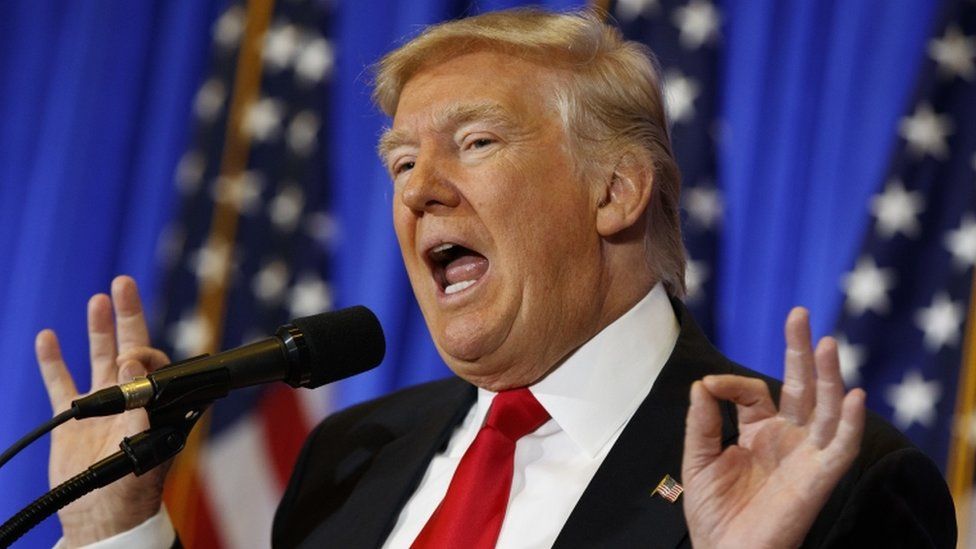
Fake news is characterised as ‘falsehoods that are deliberately manufactured and circulated with an intent to mislead’ (Claire Wardle 2017). The term ‘fake news’ rose to prominence during the 2016 U.S Presidential Election campaign when Donald Trump branded any news story he did not deem favourable ‘fake news’. This term began to be used by many conservative politicians and has spread throughout the world, increasingly being used to spread theories concerning the coronavirus pandemic. Richey argues that the fake news strategy is not to ‘establish falsehoods as true, but rather pollute political discourse such that news information consumers are led
Western Media bias
‘Journalists are the archetype of ideological tools who create culture and produce knowledge.’ (Nir Rosen 2011) It can be said, therefore, that journalists play a significant role in influencing perceptions, opinions and values. Scholarship, however, has also concluded that it is impossible to write as a journalist without bias. Journalists inevitably reproduce and represent the culture and values of where they live and work. Many factors may influence bias in journalistic reporting. Personal experiences and opinions flow into reporting, often subconsciously. In addition, the media company a journalist works for, can exercise control over the narrative with, and including; guidelines,
SWOT analysis of the influencer dimension in the Middle East
Everyone who is somehow involved in social media networking has certainly heard about the term influencer. As the word might suggest, an influencer is someone who has enough power in a relevant niche to persuade his/her audience to make a decision usually through regular dedicated posting on their preferred social media channels (e.g. buying a unique clothing brand or voting for a specific political party) (1). Their clout is pivotal not only in marketing, where these people collaborate with brands to work on brand recognition or to market brands’ products and services but also in other dimensions such as political
Instagram algorithm bias
To begin, an algorithm is a sequence of specific rules or computer-implementable instructions which calculate and solve problems. Social media websites and web search engines use algorithms to manage, highlight and control large swaths of data. While we assume algorithms would be without bias because a computer runs them, this is a misconception. Algorithms require a person to program them, this person can have explicit or implicit biases. Additionally, while a person would be able to pick up problems and receptively change the way they respond, we must program algorithms to learn, and this in itself can cause problems because
The pathogenic dimension of capitalism: Bell Pottinger
The industry of Public Relations (PR) has a huge impact on how businesses, organizations and individuals communicate. Either through human capital or high-throughput technology, PR companies work towards better understanding their clients’ audiences so that they can be properly engaged to achieve specific business objectives (1). However, the ethical boundaries can usually become very narrow when dealing with sensitive matters such as economical and political affairs. That’s what happened with Bell Pottinger. Bell Pottinger was a British PR multinational, reputation management, and marketing company headquartered in London, United Kingdom. It was founded in 1998 by Lord Tim Bell, one of
The everlasting Twitter fight against violent extremism
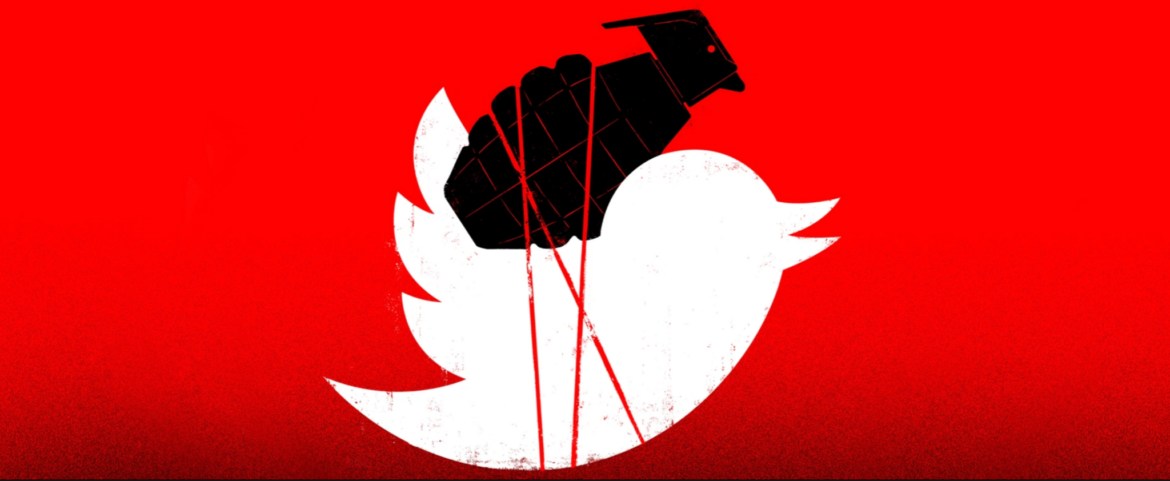
Twitter is a free social networking “microblogging” service that allows people to access openly available content. This content comes up in the form of short posts called tweets. Tweets can be up to 140 characters long and can include links to relevant websites and resources. Twitter users can broadcast tweets and follow other users’ tweets by using multiple devices and/or platforms. It also allows the categorization of ideas through hashtags (#) to provide a friendlier search environment (1). Nowadays, Twitter is one of the most widely used social media channels in the world comprising more than 500 million

Gender Bias in Middle Eastern Media
The media is extremely powerful in enforcing stereotypes, perceptions and attitudes. Individuals consuming media are rarely aware of the way that the media can manipulate and subconsciously affect your opinions and beliefs. This applies in every facet, especially in the way that media consumers view women. Molara Ogundipe-Leslie (1990) highlights this as she states that “the power of the media to make and unmake the image of women, to hasten or retard the progress of women in society, cannot be denied or underestimated”. The media can play an important role in achieving increased participation of women in public life. Following
What is happening in Afghanistan?
In the modern era, it seems more and more difficult to get accurate news. Sure, the major news agencies can tell you the facts, but it feels like they are missing key details and not really telling the lives of those that it affects. Then I turn to Instagram, at least I now know that my Instagram is an echo chamber of what I am expected to believe about the world. Therefore, I know my Instagram will appear more like the truth to me, or at least my subjective understanding of the truth. Yet, when I log onto my research
What is happening in the world and how is it being covered?
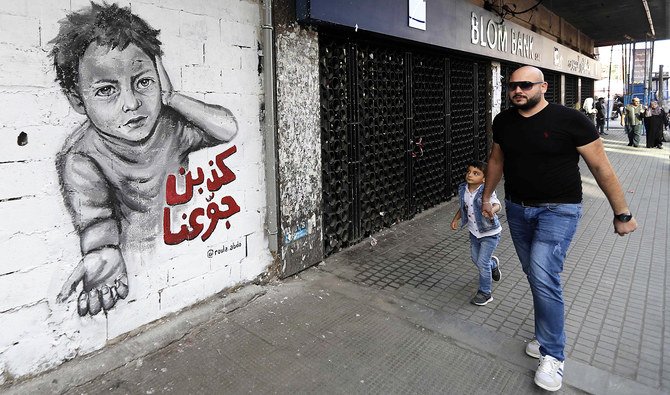
The last semester of 2021 has been dramatic in terms of humanitarian crises. Countries like Lebanon, Afghanistan, Algeria, Haiti, Turkey, Greece and Palestine have been struggling with several different issues that are jeopardizing the security of their citizens but the coverage of these events is being systematically under- or over-reported depending on the countries where the information is coming from (e.g. western/eastern countries, democracies/autocracies, etc.) which ultimately shapes our understanding of these incidents (1). In democracies, although we typically see a higher degree of media freedom when it comes to government influence, it is also possible to observe a set
Media vs. Media Bias: Case Studies
Having young people as the main target of IDare, it is important not only to elaborate on their main sources of information but also on their leisure and free time and how that relates to the media. Young people in Jordan are known to spend significant amounts of their free time reading, listening to music and watching TV (47%, 86%, and 87%, respectively) (1). This is an opportunity that needs to be exploited. If we recur to these alternative media channels as a way to promote awareness on the overall media panorama, we will surely witness a shift in the
How to identify media bias?
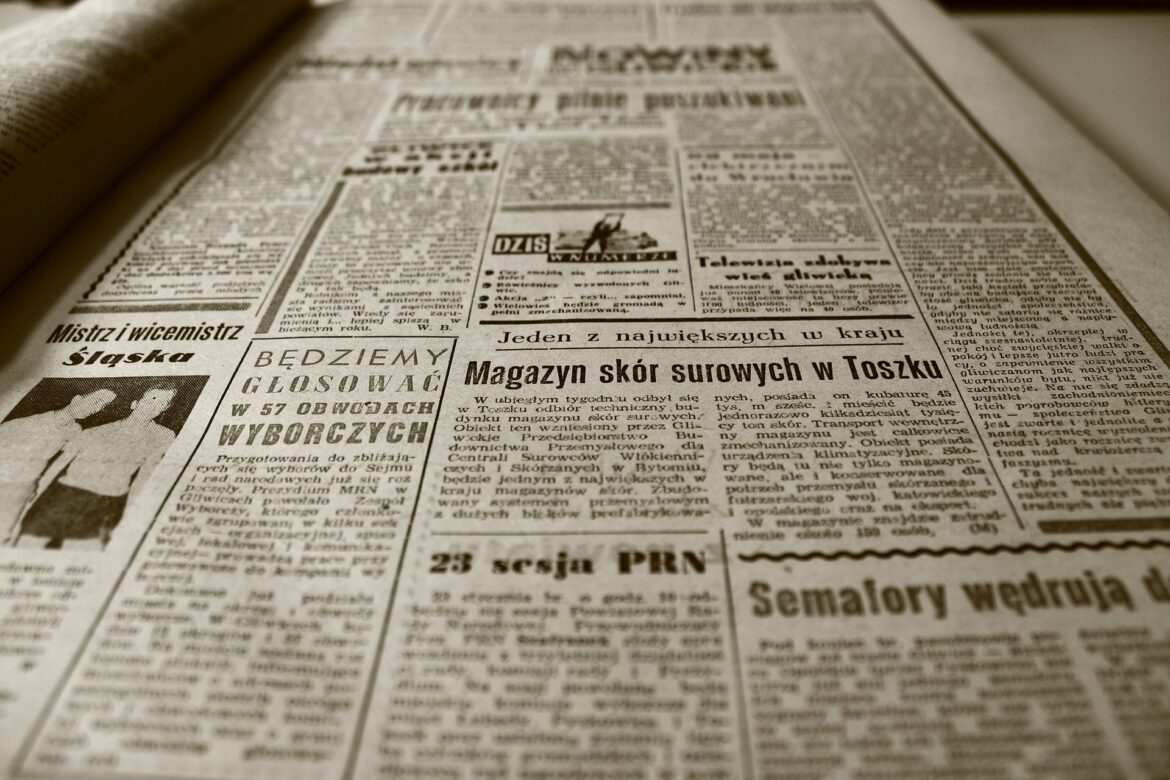
Media bias is not restricted to newspapers and can include radio, blogs, social media posts, newsletters, online news columns/opinions, television. The Australian College of Applied Psychology describes media bias as ‘expressing prejudice when reporting in print, online or by broadcast’, meaning that individuals are ‘presented with a view of events which may be inaccurate’. Bias has been proved inevitable, as it is impossible for individuals to write without their own perceptions influencing their writing. (Vallone et al 1985). In addition, no individual is aware of all the facts at one time, meaning that there are always facts missing. A useful
What is Media Bias?
This article is a basic introduction to Media bias. First, it explains what a bias it, then what a media bias is. After that it goes on to explain the types of media bias. A bias is an inclination or prejudice against a person or group. A bias can cause unfair or differentiated treatment. However, while unfair, that doesn’t mean it could negatively affect you. It may benefit you, but for one person to benefit, others must suffer. Therefore, a bias can cause harm. However, a bias may not do so deliberately, and people are often unaware of their biases.
The influence of media in youth civic engagement
The Organization for Economic Cooperation and Development (OECD) started the Civic Participation section of its latest youth inclusion project, which involves Jordan as one of the nine beneficiary countries, by saying “young people are agents of change” (1). This is a strong statement reflecting the inherent capacity of youth for mobilisation which is elementary for the success of developing countries. The United Nations reported recently that around sixty three percent of the Jordanian population is below thirty, which makes it one of the youngest populations in the world (2). This demographic dividend, supported by a striking sense of duty regarding
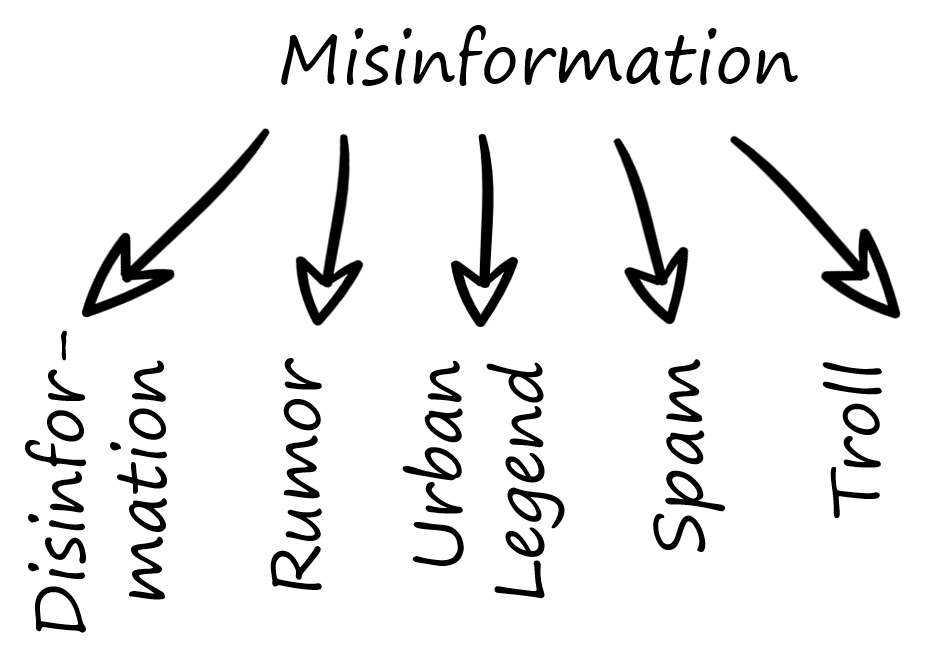
The western misrepresentation of Islamic world
Even if social media nowadays feel to be very influential in our life, still most of the information that we receive daily are coming from traditional media, that are also present in our social networks. The way the news is represented and the way the narratives we receive daily will influence our way of thinking. In this regard, after the 2001 attack on the Twin Towers, the attention of media over the so-called “Islamic terrorism” literally boosted in the whole Western World. The day after the September 11 attack, Bush made a speech that remained in history, usually referred to
Are you a master or slave of the technology?
«A world constructed from the familiar is the world in which there’s nothing to learn» That is what Eli Praiser wrote in his 2011 book, The Filter Bubble: what is the Internet hiding from you. Did you already search online? Sure. Did you already feel that you always find what you were looking for? That most of the people agree with what you think? The Internet is a treasure of information and knowledge. There is a mass of information, written, published, shared… Sometimes, we can even lose sight of reality. It is a huge network, a great machine, and above all
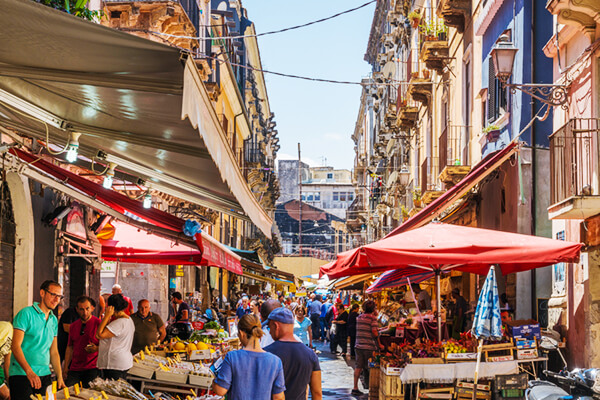
Sport as a social cohesion and redemption tool for the damned of the periphery
The most common image of Europe in the eyes of foreigners is one of the perfect and beautiful old country, filled with art, culture, and technology. The most common image Sicily in the touristic guide is that of an island full of beauties and history, which is true but is just one part of the story. The ancient island from one century to the other is passed in the hands of many dominators: the Greeks, the Romans, the Arabs, the Germans, the French and so on. All we have now is a rich cultural and historical heritage that belong to
The clashing narratives of women’s clothing
The problem of the burka is not a religious problem, it’s a problem of liberty and women’s dignity. It’s not a religious symbol, but a sign of subservience and debasement. I want to say solemnly, the burka is not welcome in France. In our country, we can’t accept women prisoners behind a screen, cut off from all social life, deprived of all identity. That’s not our idea of freedom. (Former French president Nicolas Sarcozy in his first state of the nation speech) In a world plagued by humanitarian crises, environmental turmoil and political polarization, women’s clothing may appear to be
The environmental movement, a new hope for the next decades
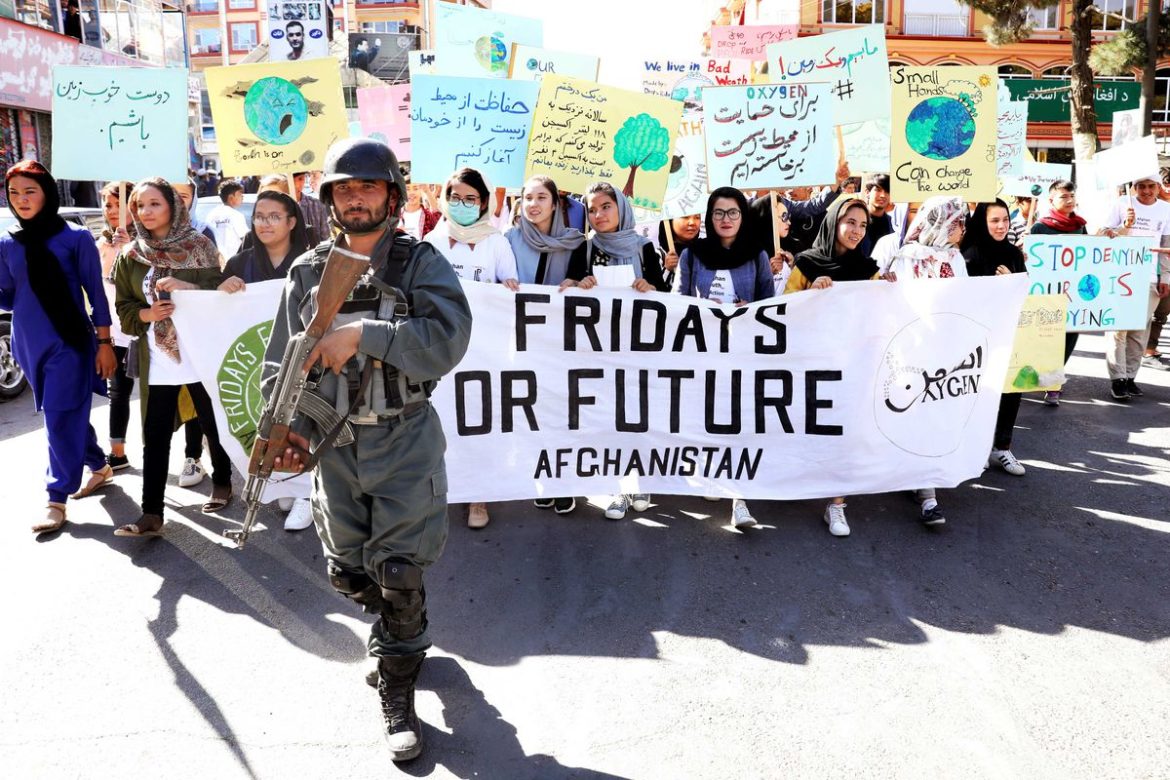
The second decade of the 2000s was turbulent and rich in events that will leave a mark in history. From the 2011’s financial crisis to the Arab Spring, from the Greek’s OXI referendum to the Libyan Civil war after the killing of Gaddafi, the war in Syria, the rise and the decay of the ISIL, to the wave of violent extremism in France, the migration crisis in Europe, the rise of the right-wing populism and the election of Donald Trump. These are just a few of the events that have shaken our world in the last ten years. This decade
Negative peace… Positive peace…
The smoke is clearing, the fires have been put out. There are no guns firing in the background, no bombs that loudly explode somewhere near. The opposing forces have made an agreement to lay their weapons down and stop the violence for now, – the physical violence that is. They call it a peace treaty when they lay down their weapons and stops the bombing. Is it peace though – after wars have come to an end, or is temporarily stopped? Many people stand back without housing, without proper healthcare or school systems. The opportunities to get jobs are few
Dalia Al-Najjar: turning anger into hope
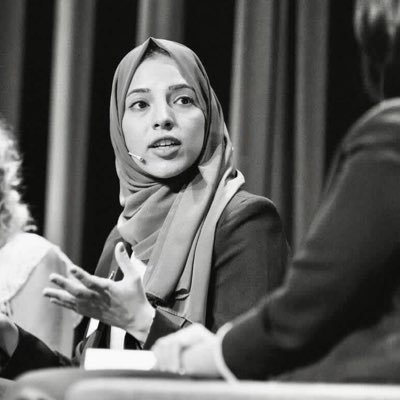
In February 2017, a young girl from Gaza steps onto the podium of the world’s largest international student festival. She is 6000 km away from home, in Norway. Here, hundreds of young people from hundreds of different countries have come together in the name of dialogue, intercultural cooperation, and peace. At this moment they are all gathered to listen to this one young girl. Here is what she says to them: – I am angry. I was born as a refugee. I am angry. I was born in a conflict area. I’m angry because I grew up in an uprising