
With the increased interconnection in the digital world, the issue of security acquires an ever greater weight. In this case, we talk about cybersecurity. In fact, on the Internet there are always new dangers that represent a threat to companies and individuals. The topic is therefore urgent as never before and does not only concern Internet security, but also other aspects and sectors of Information Technology (IT). ENISA (European Union Agency for Cybersecurity) used Maslow’s famous pyramid of needs, conceived in the psychological field as a motivational model of human development based on a hierarchy of needs, to conceptualize cyberspace protection
Tag: Digital safety
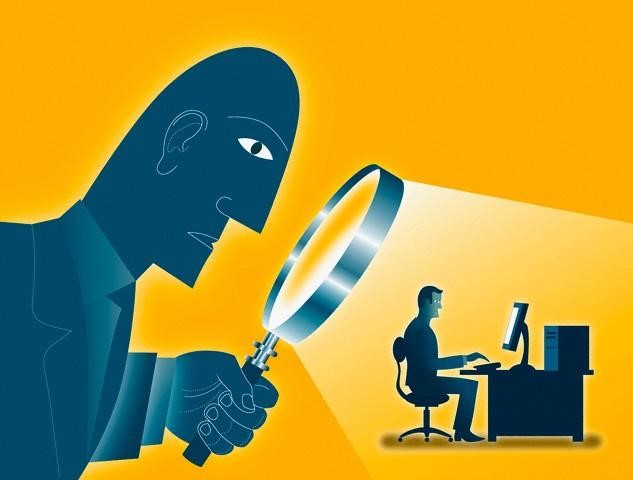
How much privacy is enough privacy?
Personal data is the motor of many businesses in the Internet age. Information analysis enables targeted advertising, improving services, producing new goods, and recognizing market demands for everyone. According to an European Union (EU) survey, the majority of individuals are worried about their privacy and how their data is utilized (1). However, concern does not always imply caution. Let’s see why. More than 60% of EU citizens consider it is acceptable that their online activity is monitored in exchange for free access to a website or that companies share their information without any consent (1). It is also more a
How to protect our privacy on the Internet
Since its inception, the Internet has been designed to allow us to exchange and share data. In this sense, accessing a website is a way to receive information, but also to provide it. Nowadays, thanks to the spread of the Internet, users can participate, interact and share large amounts of content and data. However, personal data are very valuable elements as they build our online profile, adding up day after day. For this reason, it is important to be aware of the useful ways to protect your data and, consequently, your online privacy. In fact, indiscriminately providing personal data on the Internet

Most of us nowadays rely heavily on the internet to enjoy social media, online education, remote work, and all sorts of entertainment and amusements on online platforms. But widespread utilization doesn’t equal widespread understanding, unfortunately. The good news is that apparently there are plenty of ways to stay safe when online but how specifically could this be done smartly in order to preserve our psycho-physical integrity? Let’s ‘talk for instance about doxing, a topic which we are already familiar with and let’s try to list and go through all the tricks we could put in practice in our daily lives to

How much personal data are you willing to give?
Online users are incredibly vulnerable to security threats, and there is a long list of ramifications associated with their safety. Hereby we are discussing only the major issues concerning online privacy. This topic can of course be more divisive. The fact is that internet privacy has always mattered not only in social media times but the only difference between the last decade and now is that online threats and data breaches have escalated 10 times compared to the past. That’s not a good number nor a great time to be heading online without security measures. Cybercriminals and online data sellers in

Wear your life-jacket before you enter the sea!
The amount of information we are fed with on a daily basis is growing at an exponential rate. In fact, as I write this, millions of bytes of information have been created throughout the internet on a wide range of different topics. The nature of this information is, however, paradoxical. It may certainly improve our lives, but it also has the ability to hurt ourselves and others we care about. Cybercrime is getting more prevalent all over the world. Identity theft, cyberbullying, online predatory behavior, phishing, online scamming, malware, and inappropriate content are just a few examples of the distinct