
Media Bias – What is it? Media bias is the perceived bias exercised by journalists, news outlets and mass media that impacts the professional standard of journalism. Biases are the tendency to lean towards a specific position, political ideology, or opinion. As a medium that functions to inform citizens, the media is supposed to be objective and informative. In reality, however, media consumers are subjected to media bias in broadcasting, publishing and on the internet. Media bias affects what gets published, which perspective a journalist takes when writing about an event or a story, and the language a journalist uses
Tag: Media literacy

Media vs. Media Bias: Case Studies
Having young people as the main target of IDare, it is important not only to elaborate on their main sources of information but also on their leisure and free time and how that relates to the media. Young people in Jordan are known to spend significant amounts of their free time reading, listening to music and watching TV (47%, 86%, and 87%, respectively) (1). This is an opportunity that needs to be exploited. If we recur to these alternative media channels as a way to promote awareness on the overall media panorama, we will surely witness a shift in the
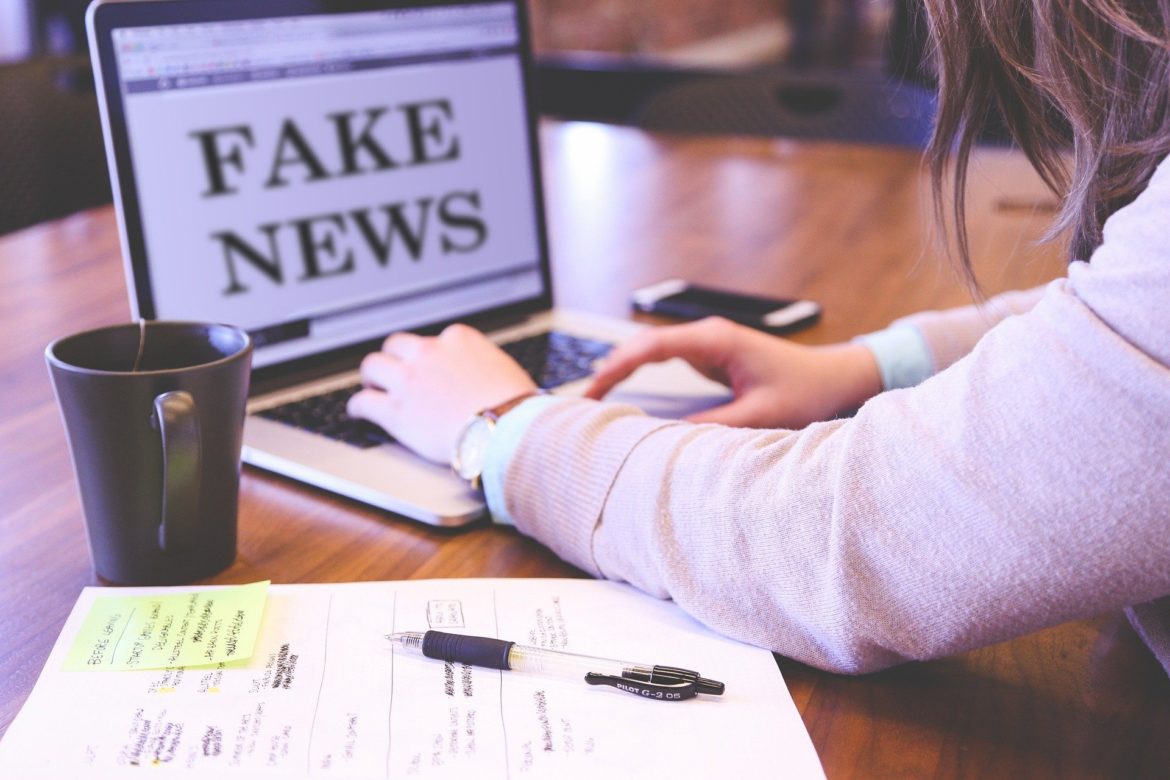
A timeline for main fake news incidents and how it was handled
Fake news is nothing new. But, especially during the last presidential election in the United States in 2016, it has become something big. Here are some of the biggest fake news stories around the world over the past few years. “The War of the Worlds”, Orson Welles’ masterpiece, 1938 Before weighing on the most well known fake news in the past few years, let us go back to a significant event that may be considered as one of the first fake news of the contemporary era. During a cold evening of late October 1938, in the United States, an American

Echo chambers: an old school approach?
Echo chambers: an old-school approach? Echo chambers. For many of us, this is a 21st-century issue were we are extremely connected with media and social networks and, in fact, this is not wrong! In our days, big technology companies are using and developing new ways to collect and analyze our personal information online and track it in order to create an extremely complete profile for each user. Having specific details about your researches, contacts, and personal information are all available online, companies are able to work efficiently in order to reach objectives related to the audience. Part of the practical consequences of

Cyberbalkanization
In this article, I will try to go through a topic that has been gathering a lot of attention in the last years, and that personally fascinates me: the study of Internet echo chambers, and how information is spread through them. A study by the Anti-Defamation League focused on the instant messaging app Telegram as a source and safe haven for echo chambers. Telegram, a cloud-based online social networking, and messaging app count more than 200 active users, and hosts around 221 thousand between groups and channels. Some are private, some public and some require a digital “key” to access, rendering

The CHANs (part 1)
Suffocating eco-chamber The anonymous website 4chan was created in 2003 by the American internet entrepreneur Christopher Poole. The website was originally fashioned on the “mold” of the Japanese image board Futaba, also known as 2chan. The peculiarity of 2chan and its English-language counterpart is its uncomplicated, users are anonymous and there is no need to register or to create an account in order to post comments and share images. As I have mentioned in my last article, the topics discussed on the “boards” are many, spanning from politics to anime. 4chans offspring 8chan has been in the center of the
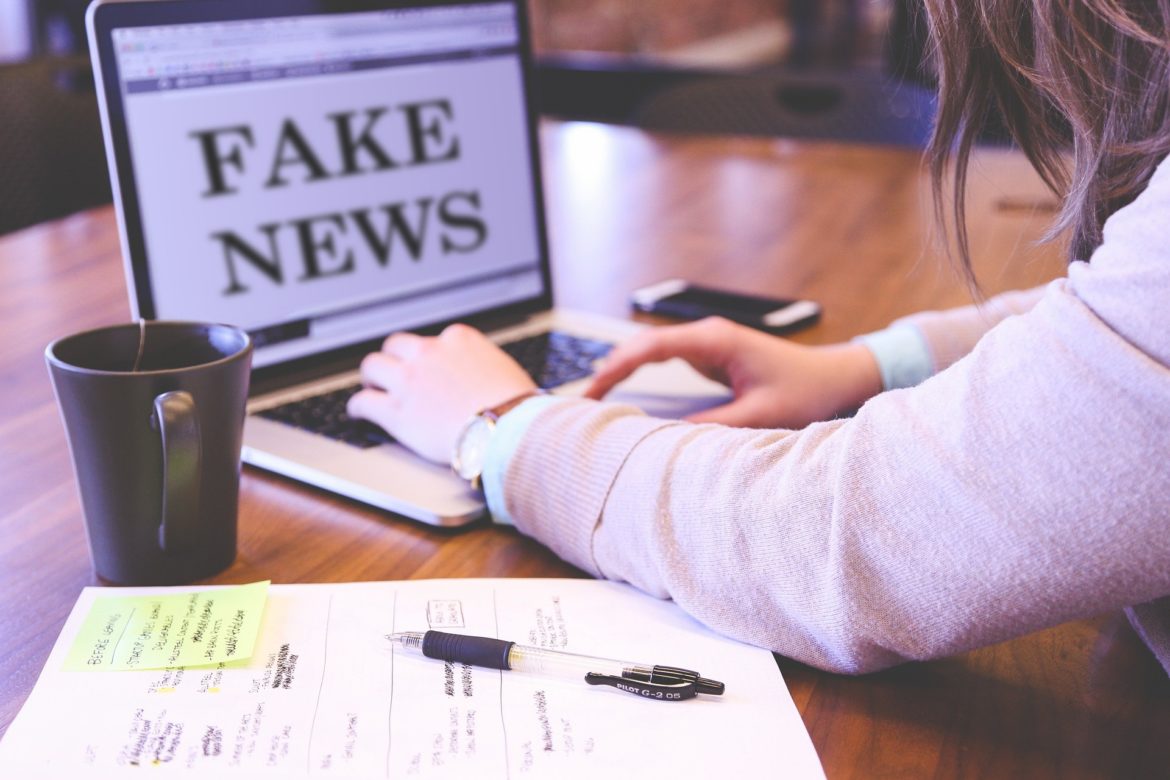
Watch this Italian, killing thousands of people with his apparently delicious pizza!
Ok now that I have gained your attention, I have to admit that this article does not really contain the story of an Italian serial killer. Because there is no one, no one that I know for sure is killing thousands of people with pizza!. Anyway, this title is a typical example of click-baiting journalism, this is how fake news starts: a catchy headline, ready to be spread on the internet by people who will never read or verify its content. Fake news is a neologism to describe a well-known practice of bad journalism, which is over the centuries influenced our

Attention Economy: marketing in the Social Media Era
Time is the most precious resource that we own, everyone wants a piece of it: owners, friends, family and Facebook. Time is anyway a discussed topic even in the science, and a lot of scientists in modern physics claim that it is possible that time itself neither exists nor it is nothing more than a human convention. But still, we live in that human convention, so time is regulating our lives and relationships from work to the most friendly times. Clocks everywhere; smartphones, city buildings, churches, working place, and everywhere. So now we have to manage it very carefully, we need

The attention machine
Attention has been defined as the “notice taken of someone or something; the regarding of someone or something as interesting or important”. An object, situation or thought actively taking up space in your mind. However obvious and intuitive it may sound, the ability to focus constantly while performing some task or movement is more time and energy-consuming that you may think. To “pay attention” is a pretty self-explanatory phrase commonly used in everyday life, and it shifts attention to two important characteristics of attention: it is finite and it is indeed precious. At any given moment in life, an individual

Alternative Narrative: the right path to prevent hate speech
Nowadays, negative attitudes towards human being -such as hatred, violent extremism, racism and so on- are spreading more and more rapidly. This phenomenon is certainly fed through offline communication, that is through all the so-called “traditional” media and forms of communication; but, in the current era of social media in which we are living currently. The main cause for the widespread phenomenon is that the online communication, and, in a specific way, those social media that nowadays are common to a wide public of all ages, but used by teenagers and young people, in particular, who are consequently the most exposed to

The implications of filter bubbles in social media and the impact on the society
Daily routine: We wake up in the morning, we have breakfast and we open our smartphones to receive daily news about the world surrounding us. It would appear as innocent as it sounds, although the only problem is that probably most of us are not aware of the fact that information we learned from social media or search engines were filtered and delivered to us in a perfectly tailored form; each matching every individual’s preferences. Ultimately, we unconsciously fell into the post-truth era where the objective facts are no longer accessible to everyone on the same level. The truth we

What is an Echo-Chamber and how does it affect people in social media?
Nowadays, simultaneously with the increasingly influential and widespread use of social media, it has been observed that a very contagious social phenomenon is infecting our way of thinking: a phenomenon according to which people use social media to have access to certain types of news and information, even at the political level. More specifically, it would seem that social media users select the type of information and content they want to access on the basis of their preferences and orientations; in other words, people only read that the news that is going to confirm and strengthen their opinions. This is