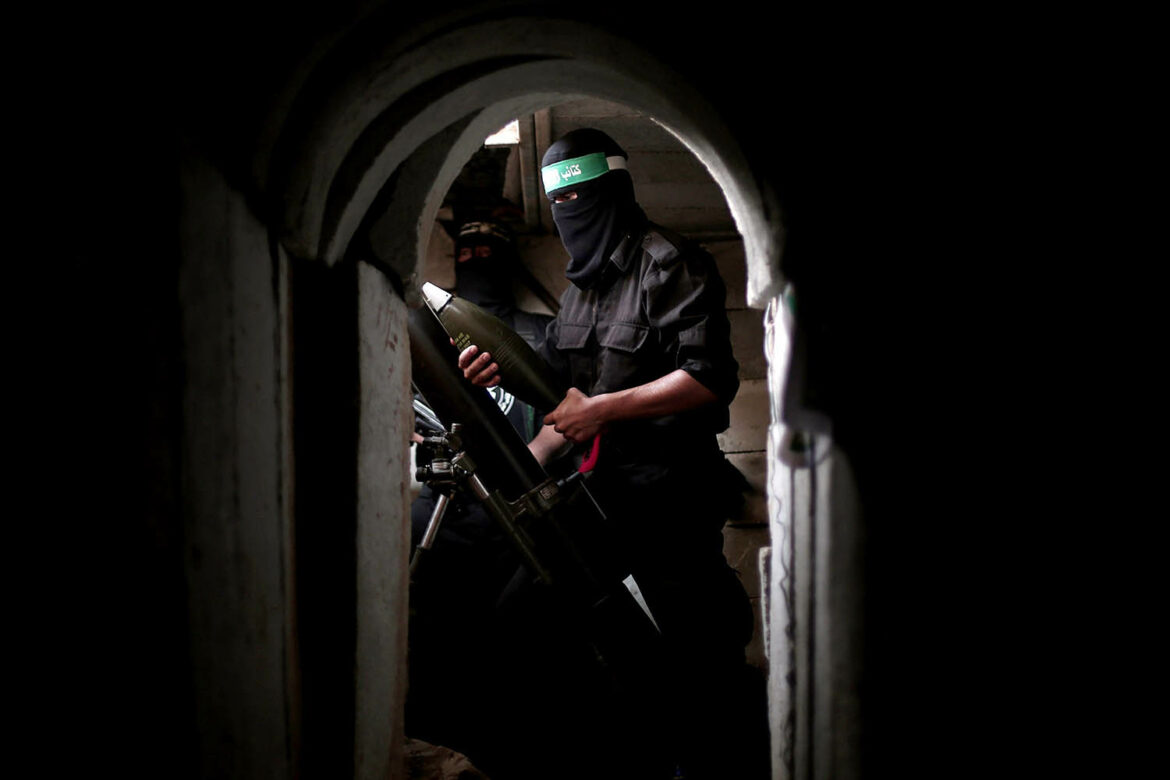
Do not be fooled by what you see on the first pages or the top results when you use the centralized search engine looking for unbiased media outlets. Even you will find customized articles and blogs’ posts about who are the unbiased media or the neutral worldwide, too often legacy media outlet being reinforced over and over as the ultimate and only source for news and for shaping and often dictating our views around the local reality and world news. Which is also typical when you turn on the satellite, cable, or subscription-based TV, most probably you will get all
Category: Media bias
Keeping up with media… media bias
Keeping up with the media is crucial if we want to be informed about the world around us. The web has become our primary source of information and it contains an overwhelming amount of news, so we must be really careful with the sources we choose to consult because the way news is reported can affect the way we think. Sometimes our sources maybe not be truthful about the actual facts, or they may push us towards certain points of view. When this happens, we talk about Media Bias. Media bias refers to the media exhibiting unjustifiable favouritism as they
Shaping the publics’ opinions
“All of us who professionally use the mass media are the shapers of society. We can vulgarise that society, we can brutalise it, or we can help lift it onto a higher level” William Bernbach In all likelihood, most of us have heard or read about media bias, but what can we consider a bias? What media bias is more specifically? How does media bias affect our thinking and shape our opinions? What is a bias? In general, that is the tendency to lean towards or against someone or something. The direction in which you lean can be influenced by factors such
Trump and media bias
Over the past half decade, the legitimacy of the mainstream media has become a central theme of our political discourse. Some of this as of the result of Donald Trump’s repeated declarations that much of US media represents ‘fake news’. A term that is quickly gone from being the reserve of fringe conspiracy theorists to part of our everyday lexicon. This disdain for the mainstream media among some portions of the population has since spread to other countries. Supporters of Brexit in the UK, for example, have often levelled similar accusations of bias at the British press. Such critics have
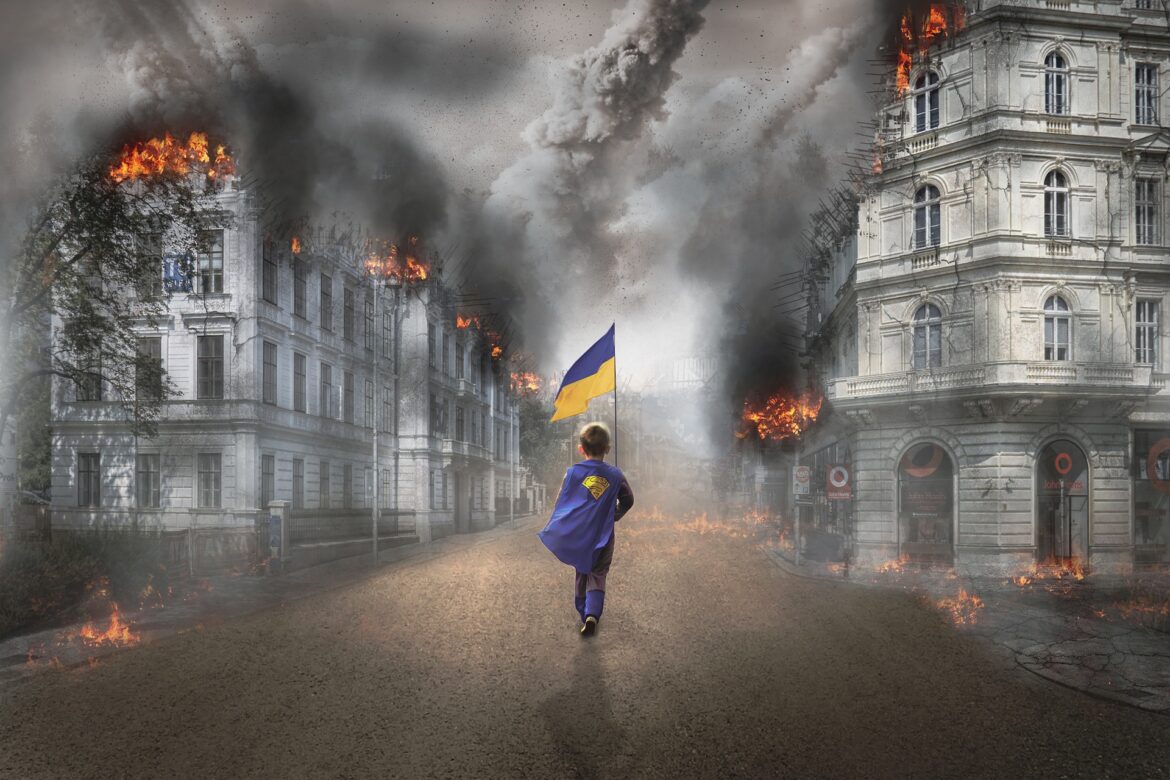
What is (Racist) Media Bias and how does it manifest?
Media Bias – What is it? Media bias is the perceived bias exercised by journalists, news outlets and mass media that impacts the professional standard of journalism. Biases are the tendency to lean towards a specific position, political ideology, or opinion. As a medium that functions to inform citizens, the media is supposed to be objective and informative. In reality, however, media consumers are subjected to media bias in broadcasting, publishing and on the internet. Media bias affects what gets published, which perspective a journalist takes when writing about an event or a story, and the language a journalist uses
Filter bubble
Whilst scrolling either through your personal various social media platforms, you may feel reassuringly confident that most of the online community agrees with your views, based merely by certain news article feeds or discussions within your own social circle. Yet we really should be questioning ourselves on whether this is a true reflection of society in the real world. When we meet people through all walks of life, it soon becomes evident that society overall is rarely unanimous with debate and that opinion, is the corner stone of a democratic society. It was not really until the unexpected results in
Unleashing narratives: the importance of local partners in investigative journalism
News addresses a number of topics of overriding importance. One of these is climate change and its consequences on the planet. Much has been said in recent years: myriads of investigative content have been produced by the most renowned newspapers, holding multinational corporations accountable and pushing governments to take direct and effective action; at the same time, the need of civil society to fight and implement good practices to prevent disastrous consequences is ever stronger. Despite the needed push to call for actions carried out by activists and journalists, the voices of those most affected by these global phenomena are often lacking
Online shaming and cancel culture
The age-old social punishment of public shaming has re-emerged as an internet phenomenon in recent years. Just as fake news is not new, but a digital reiteration of an old phenomenon, cancel culture is a new method of public shaming and ostracisation. Cancel-culture refers to the practice of calling out, boycotting and shunning an individual for their behaviour. Call-out culture has risen particularly since the global #MeToo movement. Celebrities, in particular, are called out for inappropriate language use or behaviour, even from years before, prior to them being in the spotlight. Cancel culture is mob-driven and definitely amounts to mass-scale
Have you heard about doxxing?
The internet has become an integral component of our daily lives. In fact, it is not an understatement to say that a day would be absolutely ruined if online services were interrupted. Many people’s lives would be brought to a halt if this happened due to our current reliance on the internet. The web ecosystem has been suffering major changes since the 90s especially at the behavioural level having social dynamics as one of the leading drivers in the process. The transition from a dialogical perspective to an interventional angle started becoming visible in the last couple of years. This
Instagram algorithm bias
To begin, an algorithm is a sequence of specific rules or computer-implementable instructions which calculate and solve problems. Social media websites and web search engines use algorithms to manage, highlight and control large swaths of data. While we assume algorithms would be without bias because a computer runs them, this is a misconception. Algorithms require a person to program them, this person can have explicit or implicit biases. Additionally, while a person would be able to pick up problems and receptively change the way they respond, we must program algorithms to learn, and this in itself can cause problems because
The pathogenic dimension of capitalism: Bell Pottinger
The industry of Public Relations (PR) has a huge impact on how businesses, organizations and individuals communicate. Either through human capital or high-throughput technology, PR companies work towards better understanding their clients’ audiences so that they can be properly engaged to achieve specific business objectives (1). However, the ethical boundaries can usually become very narrow when dealing with sensitive matters such as economical and political affairs. That’s what happened with Bell Pottinger. Bell Pottinger was a British PR multinational, reputation management, and marketing company headquartered in London, United Kingdom. It was founded in 1998 by Lord Tim Bell, one of
The everlasting Twitter fight against violent extremism
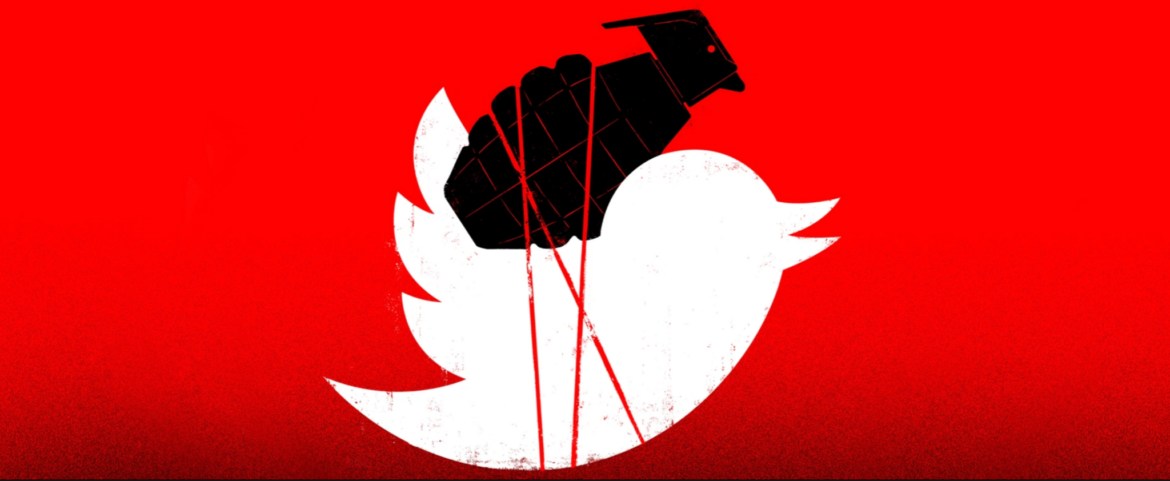
Twitter is a free social networking “microblogging” service that allows people to access openly available content. This content comes up in the form of short posts called tweets. Tweets can be up to 140 characters long and can include links to relevant websites and resources. Twitter users can broadcast tweets and follow other users’ tweets by using multiple devices and/or platforms. It also allows the categorization of ideas through hashtags (#) to provide a friendlier search environment (1). Nowadays, Twitter is one of the most widely used social media channels in the world comprising more than 500 million
Gender Bias in Middle Eastern Media
The media is extremely powerful in enforcing stereotypes, perceptions and attitudes. Individuals consuming media are rarely aware of the way that the media can manipulate and subconsciously affect your opinions and beliefs. This applies in every facet, especially in the way that media consumers view women. Molara Ogundipe-Leslie (1990) highlights this as she states that “the power of the media to make and unmake the image of women, to hasten or retard the progress of women in society, cannot be denied or underestimated”. The media can play an important role in achieving increased participation of women in public life. Following
What is happening in Afghanistan?
In the modern era, it seems more and more difficult to get accurate news. Sure, the major news agencies can tell you the facts, but it feels like they are missing key details and not really telling the lives of those that it affects. Then I turn to Instagram, at least I now know that my Instagram is an echo chamber of what I am expected to believe about the world. Therefore, I know my Instagram will appear more like the truth to me, or at least my subjective understanding of the truth. Yet, when I log onto my research
How to identify media bias?
Media bias is not restricted to newspapers and can include radio, blogs, social media posts, newsletters, online news columns/opinions, television. The Australian College of Applied Psychology describes media bias as ‘expressing prejudice when reporting in print, online or by broadcast’, meaning that individuals are ‘presented with a view of events which may be inaccurate’. Bias has been proved inevitable, as it is impossible for individuals to write without their own perceptions influencing their writing. (Vallone et al 1985). In addition, no individual is aware of all the facts at one time, meaning that there are always facts missing. A useful
What is Media Bias?
This article is a basic introduction to Media bias. First, it explains what a bias it, then what a media bias is. After that it goes on to explain the types of media bias. A bias is an inclination or prejudice against a person or group. A bias can cause unfair or differentiated treatment. However, while unfair, that doesn’t mean it could negatively affect you. It may benefit you, but for one person to benefit, others must suffer. Therefore, a bias can cause harm. However, a bias may not do so deliberately, and people are often unaware of their biases.