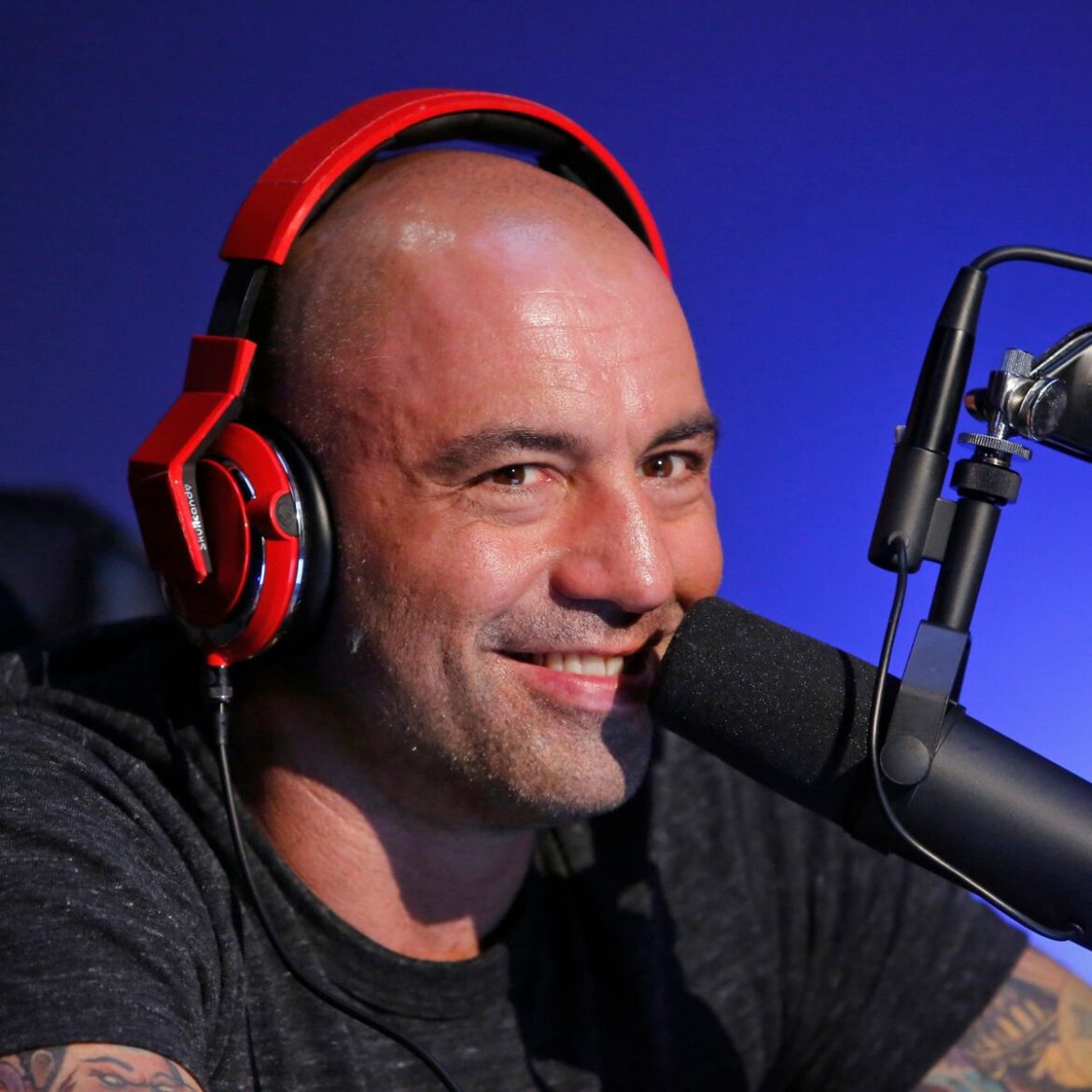
Everyone who is somehow involved in social media networking has certainly heard about the term influencer. As the word might suggest, an influencer is someone who has enough power in a relevant niche to persuade his/her audience to make a decision usually through regular dedicated posting on their preferred social media channels (e.g. buying a unique clothing brand or voting for a specific political party) (1). Their clout is pivotal not only in marketing, where these people collaborate with brands to work on brand recognition or to market brands’ products and services but also in other dimensions such as political
Tag: Influencer
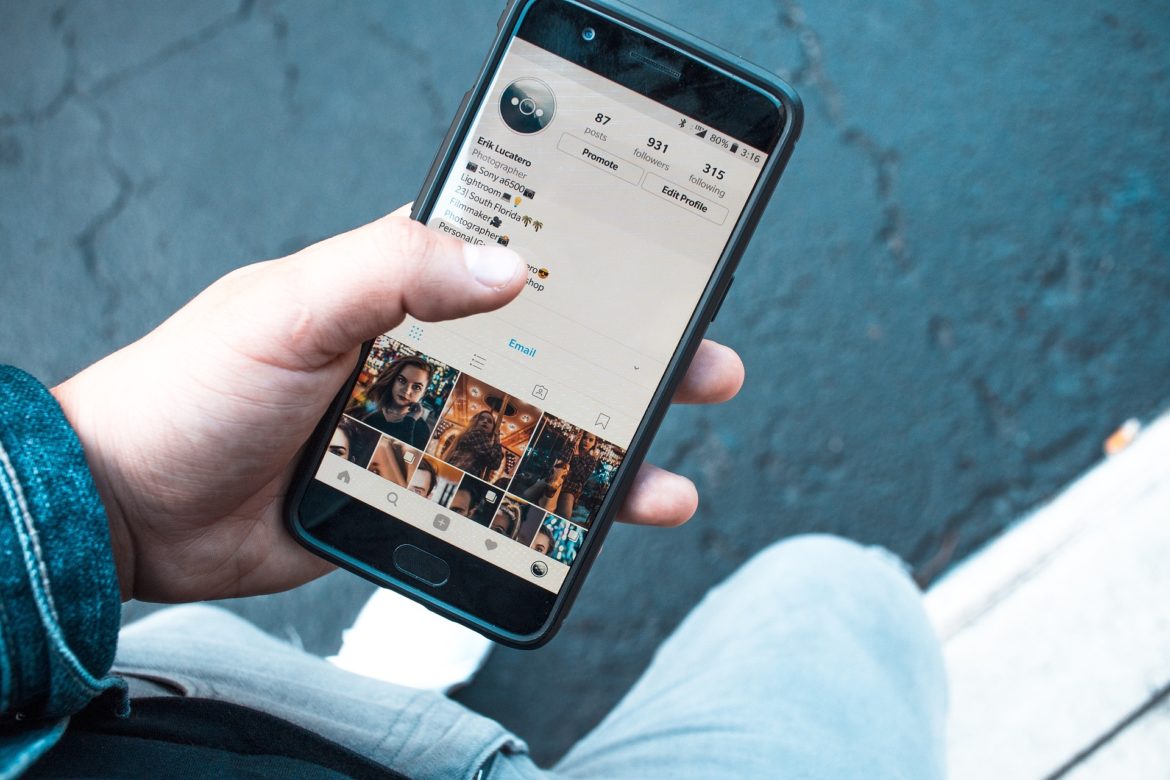
Hyperleaders, politics in the social network era
The advent of the internet brings a significant shift in the leadership concept in modern democracies. With a big disillusion for the regular parties and politicians, the engagement of the electors and of the possible political followers and activists are more and more related to the social media parameters rather than the political contents that a certain leader can push. To make a point, the ideological battle is not ended, but regarding a smaller part of the audience than the majority which is nowadays is less guided by the commitment to a particular idea or party. Most people look at the