The Social and Solidarity Economy in Jordan Introduction This knowledge paper comes in the context of the second dialogue as part of a track that aims to contribute to the formulation of a national learning model in Jordan that links the social and solidarity economy with the cultural and creative industries. This track is based on an understanding that knowledge building is achieved through a cumulative path that combines field visits, dialogues, networking, and the production of knowledge papers that document learning and establish an understanding emanating from the Jordanian reality. This dialogue focused on the question of spaces as
Category: Creative and Cultural Industries

Formulating a National Learning Model in Jordan: Linking the Social and Solidarity Economy with the Cultural and Creative Industries
Conceptual framework and shared language The first session is dedicated to framing key societal concepts and agreeing on a comprehensive conceptual framework that serves as a shared reference for work and learning. This framing aims to build a common language that helps reduce ambiguity, enhance mutual understanding, and enable productive dialogue among actors with diverse backgrounds and experiences. The conceptual framework seeks to clarify core concepts and define their meanings as they are understood and practiced within the local context, thereby opening space for conscious intersections, contributing to the organization of dialogue, and guiding collective action. Through this initial agreement,

Creative Pathways call for action and commitment
The closing session of the forum was designed to bridge reflection and action, bringing together the moderators of the four thematic workshops to deliver concise syntheses of their discussions. These interventions provided a collective roadmap for activating resources and scaling the creative potential of the Jordan Valley. Each pathway presented both challenges and opportunities, framed as actionable ideas with the potential for immediate impact. Agritourism pathways were defined as holistic and authentic agricultural experiences, rooted in the Valley’s traditions and free from chemical inputs. Yet the sector faces persistent challenges: young people have limited access to full agritourism experiences, gaps

Digital resilience and the future pathways of creativity
This workshop explored the role of emerging digital tools in enhancing creative resilience and expanding opportunities for creative and cultural expression in the Jordan Valley. Stemming from the principle of meaningful participation, it examined how technologies such as artificial intelligence (AI), blockchain, and decentralised digital systems can contribute to heritage preservation, equality, and local empowerment. Central to the discussion was the guiding question: how can emerging digital tools strengthen creative resilience while creating new opportunities for cultural expression, identity-building, and inclusive participation in the Jordan Valley? The digital resilience in the Jordan Valley requires a dual approach: building skills and

Agritourism in the Jordan Valley: pathways for sustainable growth
The workshop on agritourism in the Jordan Valley brought together farmers, youth, experts, and development practitioners to reflect on the sector’s potential as a driver of cultural preservation and economic growth. The discussions positioned agritourism not merely as a tourism niche but as a broader creative and cultural practice, capable of reconnecting people with their land while creating new opportunities for innovation and livelihood. There is a strong consensus that agritourism is far more than an economic diversification strategy. It is a cultural project that revives heritage, reconnects people to their land, and empowers local communities to create opportunities on
The Food Systems Pathway: Culinary Creativity from the Jordan Valley
The dialogue brought together practitioners and community representatives to discuss how tourism and agriculture in the Jordan Valley can be reimagined as pathways that enhance resilience, creativity, and sustainable development. The discussions highlighted the importance of balancing the three pillars of sustainability: economic growth, environmental protection, and socio-cultural dynamics. It was emphasised that innovation in tourism cannot be achieved through repetitive or generic experiences such as conventional food tours, which reflect locality but lack authenticity. The real opportunity lies in building community-based immersive experiences that celebrate culture and identity. Promising examples included Bait Al Shoneh, which promotes permaculture and local

Culture, Art, and Identity-Driven Pathways in the Jordan Valley
The workshop opened with a reflection on the erosion of cultural and creative identity in Jordan and the need to reclaim and revitalise it. The success of the Royal Film Commission was cited as a powerful example of how Jordan has positioned itself on the global film industry map. Participants argued that similar models of cultural innovation and institution-building are urgently required in other sectors, such as food, design, and architecture, to unlock local potential and place Jordanian heritage within contemporary global narratives. Discussions underscored the importance of harnessing the unique cultural identity of the Jordan Valley as a foundation

Localising the Economic Modernisation Vision (JEMV): Creative and Cultural Industries (CCI) in the Jordan Valley
Exploring the role of Creative and Cultural Industries (CCI) in the Economic Modernisation Vision (EMV) and their potential for acting as an economic growth driver for local development in the Jordan Valley. To highlight opportunities and challenges in enabling and advancing socio-economic growth in the Jordan Valley through interventions that are focused on Creative and Cultural Industries, which are recognised as one of the main pillars of the Economic Modernisation Vision (EMV) as an economic driver. Available data on Jordan’s Creative and Cultural Industries (CCI) suggests a sector with measurable presence but limited scale. A 2018 WIPO-based assessment estimated that copyright

Decentralising Creative and Cultural Industries: the Jordan Valley as a model for Ecosystem Thinking
Mention the Jordan Valley in a conversation about Creative and Cultural Industries, their future and their promise, you are more likely to hear words of discouragement than possibility or potential. The region is still widely viewed as a peripheral, a place of unbearable heat, hardship, and underdevelopment. But, what if this very region (long marginalised and underestimated) holds the keys to reimagining Jordan’s Creative and Cultural future? What if the rhythms of its agricultural seasons, the depth of its living heritage, and the quiet resilience of its communities are not barriers but the foundation of a truly transformative ecosystem? To

White paper on Creative and Cultural Industries (CCI) in Jordan
Introduction Tashgeel Readiness IDare for Sustainable Development is a civil society organization actively involved in Jordan’s youth work sector. Since 2018, IDare has been supporting Jordan’s youth through our innovative initiative, C-Hub: Innovation and Creation. We firmly believe in the Creative and Cultural Industry’s potential to not only uncover opportunities for young people but also enable them to generate income and employment, guided by the principle of Tashgheel. Presently, Jordan’s creative and cultural landscape showcases a variety of initiatives yet lacks an official governing body or comprehensive structure to support the creative-cultural economy. This recognition came with Jordan’s Economic Modernization

Jordan economic modernization vision and CCI What Will Success Look Like in ten years?
Jordan Economic Modernization Vision The Jordan Economic Modernization Vision is guided by a resounding call for “A Better Future.” Rooted in two fundamental pillars, this vision propels the nation towards transformative growth. The first pillar, focused on accelerated economic expansion, seeks to tap into Jordan’s full economic potential, fostering leaps in growth and ushering in new job prospects over the next decade. This, accompanied by a steady increase in citizens’ per capita income, forms the core of these efforts. The second pillar, equally vital, is dedicated to improving the quality of life for all Jordanians, positioning the nation as a

Addressing the gap between Creative Individuals and Technical Experts in the Design Job Market
The issue: In the professional sphere, there appears to be a preference for machine-like individuals over creative minds. The term “machine-people” is used to describe those who possess technical proficiency in operating software but lack a deeper understanding of the scientific principles underpinning creation. This trend in the job market seems to favor the machine-oriented approach rather than valuing creative individuals who base their work on scientific knowledge. There is a pressing need to explore the designer and design market in a more elaborate manner. The problem lies in the educational system, particularly universities, which are failing to provide relevant scientific

Gig Economy and Web 3.0
Web 3.0 introduction Web 3.0 (this segment was presented by Eng. Layth Altarawneh), coined around 2014, represents a paradigm shift in the evolution of the internet. The key aspects of Web 3.0 as a decentralized and privacy-focused version of the web, built on blockchain technology. While Web 1.0 was characterized by static web pages and Web 2.0 introduced the interactive and social web we use today, Web 3.0 aims to address the centralization, data privacy, and security concerns prevalent in Web 2.0. At the heart of Web 3.0 is the blockchain, a decentralized network that operates on a peer-to-peer basis

Gig Economy and Web 3 reality and its relevance to the Creative and Cultural Industries in Jordan: Concept Note
The gig economy is a term used to describe the growing number of people who are working independently, often on a contract or freelance basis; temporary and part-time positions filled by independent contractors and freelancers. Web 0.3 is a term used to describe the third stage of the development of the World Wide Web, which is characterized by the rise of social media and other platforms that allow users to create and share content. Rebekah Bastian defined Web 3 in her article “2022 Prediction: The Influence Of Web3 On The Future Of Work published” in Forbes on 22 Dec. 2021 as
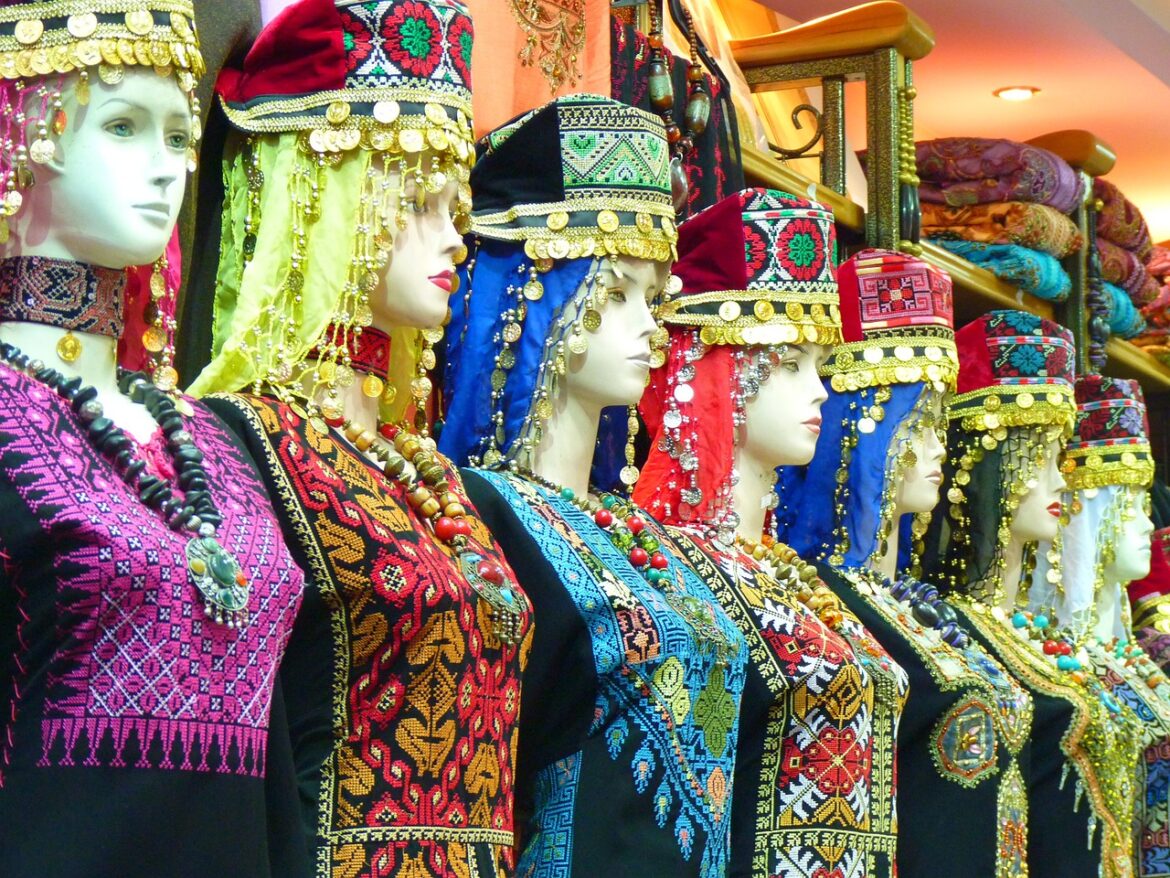
Women’s reality within the Creative and Cultural Industries (CCIs) outside Amman governorate and large cities
Mental Framing: In examining the reality of women within the CCIs outside major cities, it is essential to consider their access to resources, opportunities for skill development, and support systems that can empower them to participate and thrive in these industries. The following points are contributing factors to support women’s effective engagement within the Creative and Cultural Industries (CCI): Perception and Mindset: It is important to recognize that any contribution, no matter how small, within the CCIs is valuable to society. Ideas can start small but have the potential to grow into thriving industries. Defining an Industry: An industry is

Recognition of Creative and Cultural Industries (CCI) in Jordan
Introduction: The second Meet Up was held on 15 May 2023 in Amman with the presence of 30 actors from the creative and the cultural industries in Jordan including representatives from the Ministry of Culture and H.E. Haifa Alnajjar. The Jordanian Ministry of Culture refers to the UNESCO definition when referring to the Creative and Cultural Industries (CCI) which is the use of creativity and cultural expressions as primary inputs and have the potential to generate economic, social, and cultural benefits. They include a wide range of activities, such as: crafts and folk art, design, fashion, film, gastronomy, literature, music,

Cultural and Creative Industries (CCI) Ecosystem in Jordan
IDare Support CCI project: Since 2019, IDare for Sustainable Development has been collaborating with stakeholders and actors, including youth, to investigate how the Creative and Cultural Industry (CCI) can be used and appreciated. This undertaking has entailed convening two forums, one in 2019 and another in 2021, to unite pertinent stakeholders such as users, makers, suppliers, and other CCI players, including young people. The aim of these forums has been to foster dialogues on the significance of the CCI for practitioners, the actualities and obstacles of the sector, and the desired future trajectory for the industry, with the active participation

Creative and Cultural Industries ecosystem in Jordan
Introduction: Since 2019, IDare for Sustainable Development has been collaborating with stakeholders and actors, including youth, to investigate how the Creative and Cultural Industry (CCI) can be leveraged and appreciated. This undertaking has entailed convening two forums, one in 2019 and another in 2021, to unite pertinent stakeholders such as users, makers, suppliers, and other CCI players, including young people. The objective of these forums has been to foster dialogues on the significance of the CCI for practitioners, the actualities and obstacles of the sector, and the desired future trajectory for the industry, with the active participation of youth. In

Fast fashion
“Fast fashion is a design, manufacturing, and marketing method focused on rapidly producing high volumes of clothing” It has been on the rise in recent decades yet despite its name, fast fashion’s impact goes far beyond the fashion world. The industry frequently violates garment workers’ rights and is severely detrimental to the environment. When did fashion become fast? Fashion has always been innovative, evolutionary and with sufficient power to capture the vibe of a generation. In spite of these consistencies, a lot has changed in the fashion world in recent decades, with fast fashion rapidly increasing in the past 20 years.
Upskilling and Reskilling for a better future
The COVID-19 pandemic has taken a serious toll on the entire planet. Our daily habits changed, our interactions changed, our work lives changed. All the minor changes in everyone’s life added up to bring tremendous changes to the life of our nations, especially on the economy front. The pandemic brought to the surface the flaws and weaknesses of our economies, disrupting the already frail balance that governed people’s lives. Life worsened particularly for people whose life was already in disadvantaged situations. The pandemic has caused a rise in unemployment that was already increasing because of the rise of automation and new
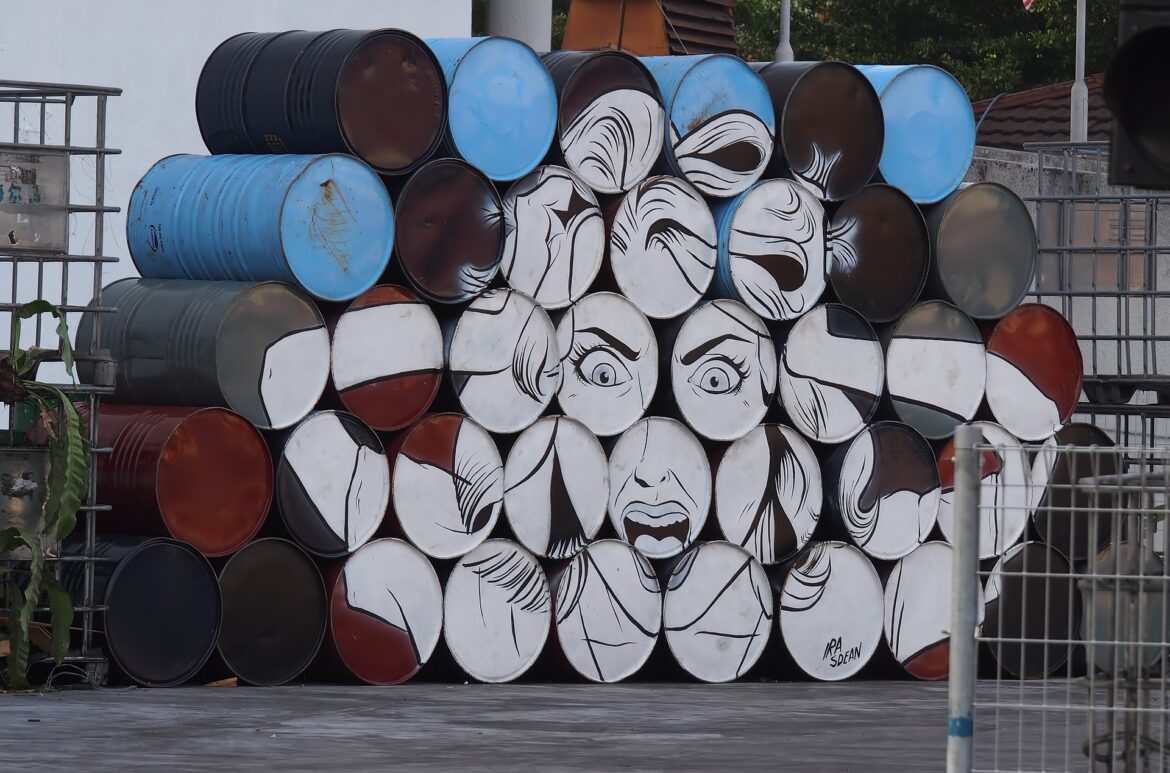
An Introduction to the Creative and Cultural Industries in the UK before COVID
Introduction to the Creative and Cultural Industries The creative and cultural industries (CCIs) have existed as long as humanity itself. They provide a means for societies to express and entertain themselves. Nowadays the CCIs- advertising, architecture, the visual art, crafts, fashion and textiles, design, performing arts, music, photography, film and video, computer games, radio and TV, writing and publishing, heritage, software/electronic publishing and cultural education- are recognised for their economic importance and cultural significance. Philosophers and sociologists, Theodor Adorno and Max Horkheimer coined the term cultural industries in 1944, in their prose, “Culture Industry: Enlightenment as Mass Deception”. Here they argued