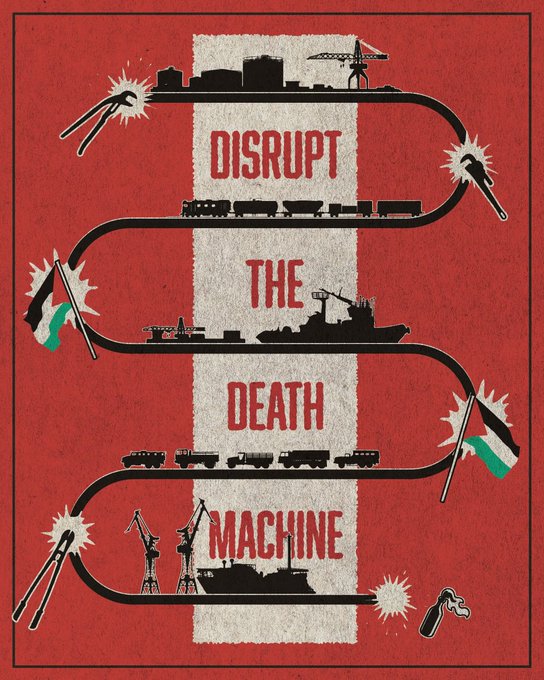
“In a matter of hours, Israel carries out the bloodiest massacre in its history” 7 Nov. 2023, official statement by the Geneva based Euro-Med Human Rights Monitor. The UN High Commissioner for Human Rights, Volker Turk adopts Austria’s agenda, endorsing crimes in Gaza ahead of his visit to the Rafah crossing on 8 Nov. 2023. Today marks one month of Israeli aggression on Gaza since 7th Oct. 2023. This continuous Israeli military aggression on Gaza killed 10581 persons of which are 4412 children, 2761 women and 9641 civilians according to the latest stats for 31 days of aggression released
Category: Context
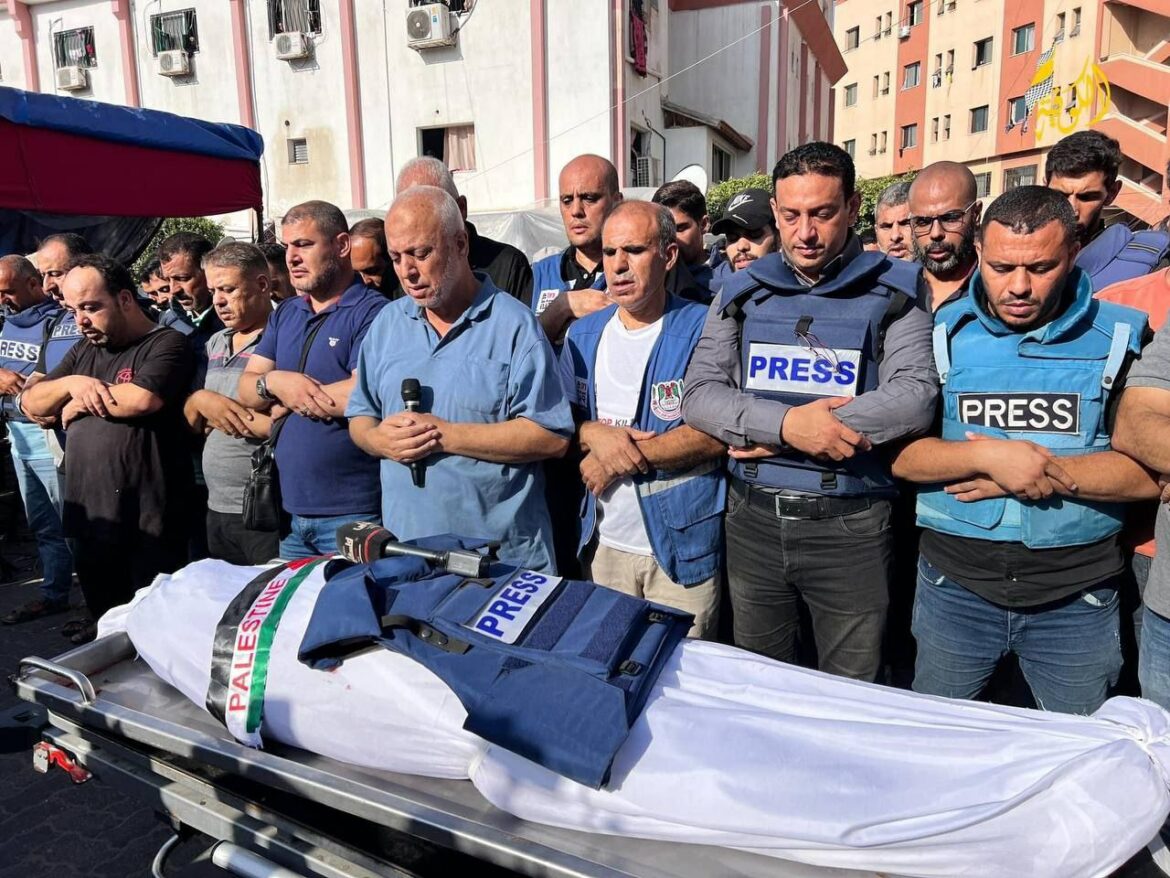
The atrocity of the Israeli aggression against Gaza
The images we are seeing on our screens of the current ongoing aggression against people in Gaza by the Israeli occupation military force will be printed in our memory for a long time. Unfiltered images of dead children, women and elderly being barely retrieved from under the rubble that appears directly on the live stream and posting are impacting larger segments of audiences around the world. Seeing on screens, the magnitude of the Israeli warfare, airstrikes and heavy bombardments that is continuing to its 28th day. The 9000 massacred civilians in what is being labelled as holocaust-genocide of the Israeli

Strengthened institutions, empowered people, and enhanced opportunities
The UN Jordan Sustainable Development Framework 2018-2022 When one studies political reports of Jordanian institutions like ministries, one sometimes stumbles upon acronyms starting with the letters U and N: UNESCO, UNICEF, UNDP. Often, these acronyms in governmental texts, reports and studies indicate UN involvement, with the capitalized U and N standing for the United Nations. But who are the United Nations and what are they doing in Jordan exactly? This article breaks down the role of the UN in the country and provides some examples of the important work they do. The United Nations is an international organization founded in 1945
How Jordan Faces its Environmental Challenges
The climate crisis is leaving its marks in many parts of the world, and we are already facing many challenges related to it. Harsh winters, impossibly hot summers, wildfires, disastrous winds, and animals following different migration routes are all signals that our climate is already changing. And while every country in the world is to some extent facing some of these effects, many countries have harder challenges than others. This might be because of different reasons, such as position, the configuration of the land, population, government involvement, social awareness, and many others. Despite its small size, Jordan has quite a large
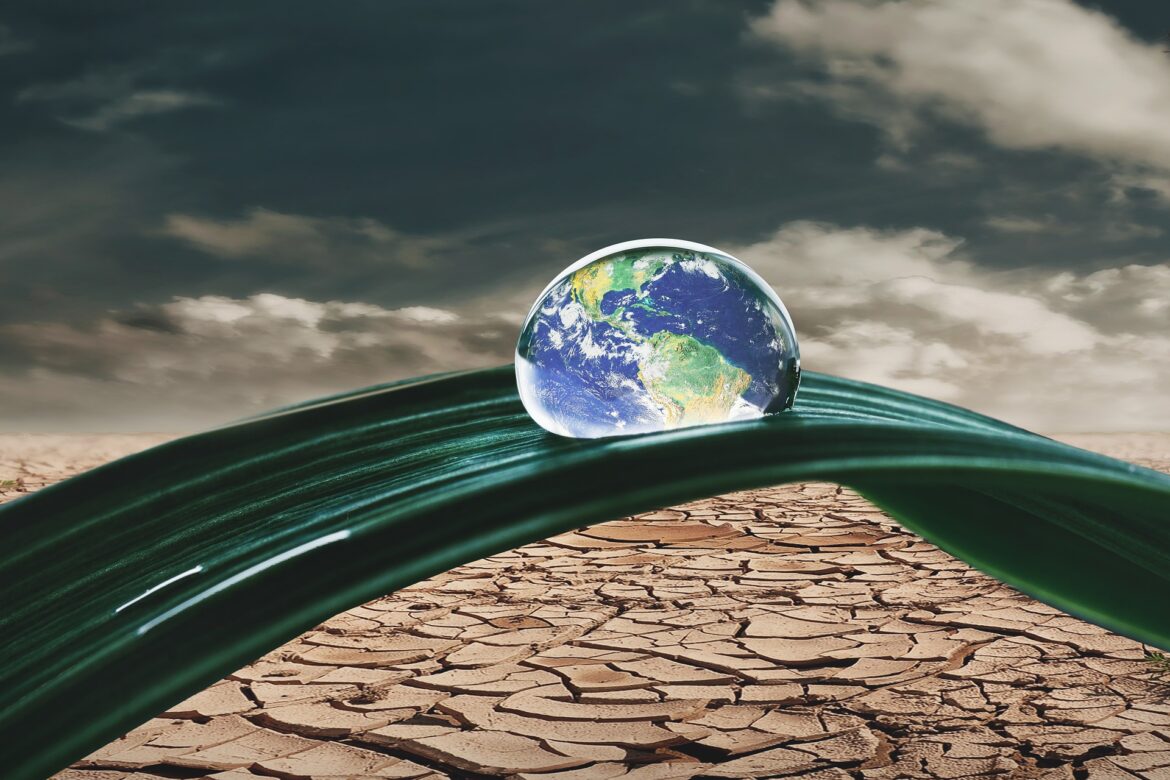
Reviving Al Hima: Combating Desertification in Jordan through Traditional Rangeland Management
Drylands – arid, semi-arid and dry sub-humid areas – cover 46.2 % of the global land and are home to 3 billion people. They result from both human activities and climate variations, and are prone to desertification. Desertification describes the total land degradation of drylands. Global desertification is rising, affecting 9.2 % of all drylands, or 500 million people, in 2015. The highest number of communities affected can be found in South and East Asia, the Sahara region, and the Middle East. Jordan is a case in point. Due to little rainfall, deforestation, soil erosion, land mismanagement, climate change, droughts, and
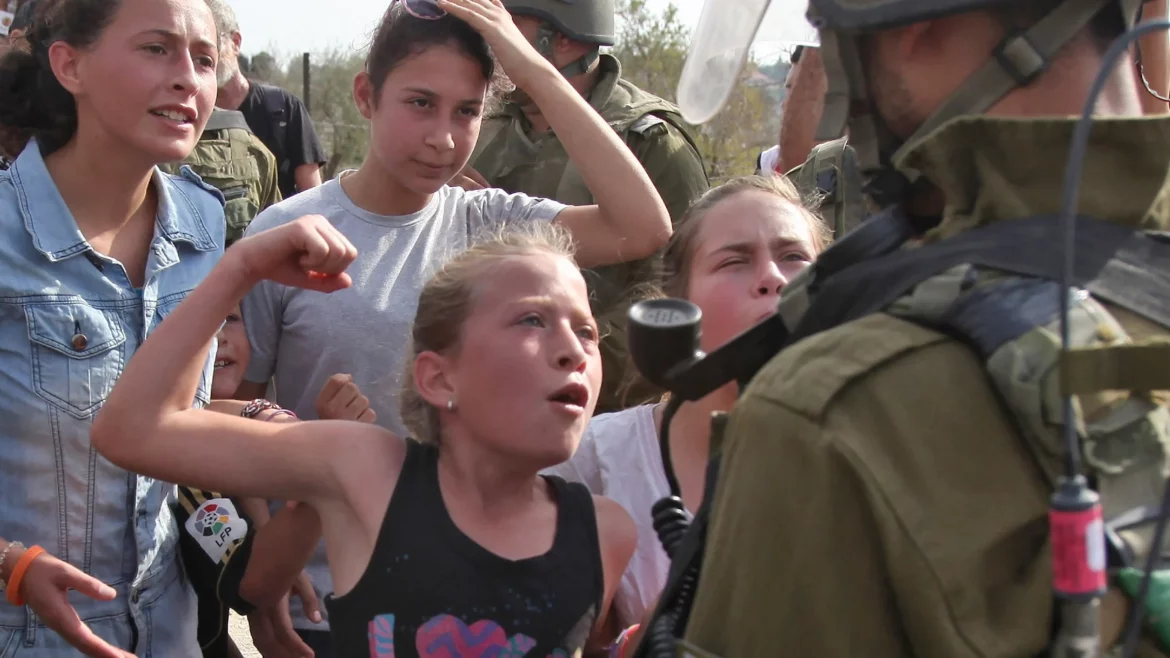
The damaging impact of blind trust in pictures?
It has long been hailed that “a picture is worth a thousand words” and in February this year, there was no finer example of this when the video of Ahed Tamimi from 2012 appeared on Tik-Tok. The video, which sees Tamimi a blonde-haired Palestinian girl standing up to an Israeli soldier, was wrongly circulated as an image of a Ukrainian girl confronting a Russian soldier. This fake news was quickly called out, but it did highlight the double standards towards sympathy and support to victims of war. The video which went viral on TikTok with over 12 million views and
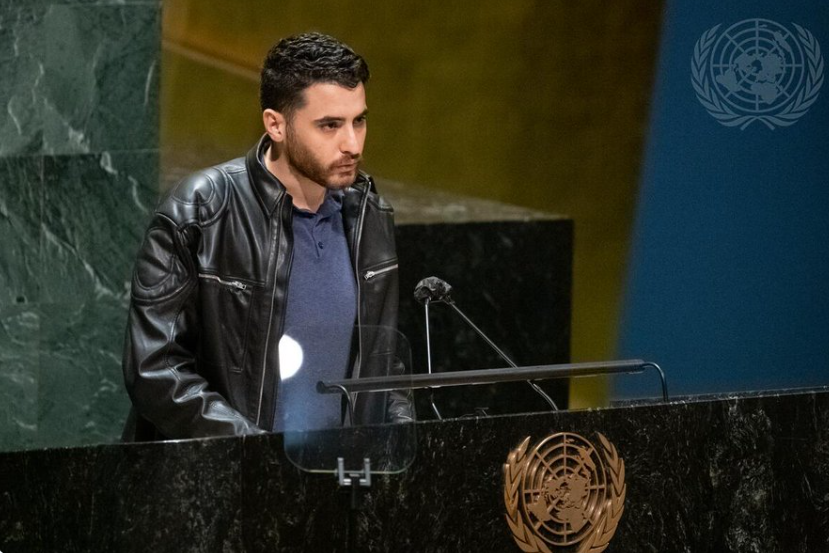
Yet another Call for Justice: Context in a Picture
The image: Muhammed El-Kurd at the UN General Assembly, United Nations Photo, 29 Nov 2021. A young man holds a speech. At first sight, this is all we see in the picture placed in front of us. If we were to see it without context, we would not know that the young man in the picture is Mohammed El-Kurd, a Palestinian writer and activist, who rose to fame after defending his family in Sheikh Jarrah, East Jerusalem, from illegal eviction by the Israeli occupation. In May 2021, the local community of the Sheikh Jarrah neighborhood, defending their homes, sparked global
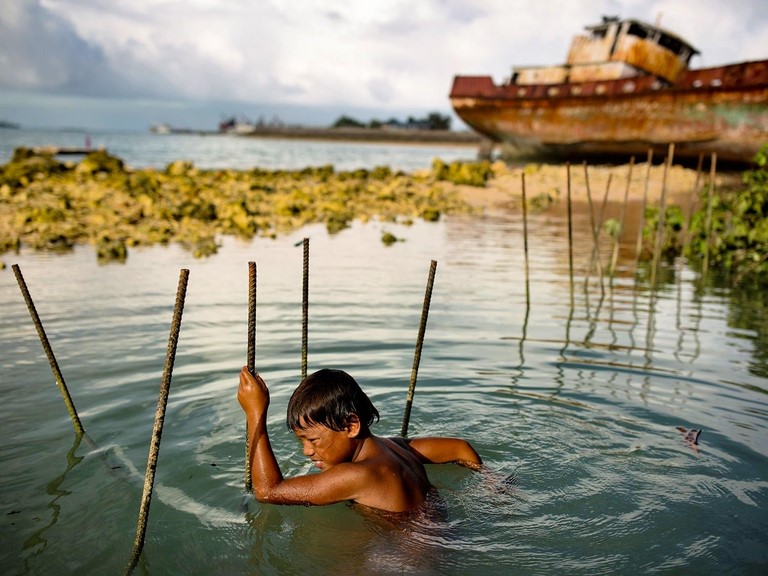
When Photos Can Make a Change…
“The camera is an instrument that teaches people how to see without a camera”, Dorothea Lange, Los Angeles Times (13 Aug. 1978) Photographs today make up a consistent part of our daily life. We see them on adverts, and on our social media, and we take pictures of random bits of our day only to send them immediately to our friends. We scroll down thousands and thousands of pictures just to forget them after a few seconds. Most of them have no meaning for us and disappear right away from our minds. But sometimes, within this endless overflow of images, some

Inside the water emergency in Jordan
As established by the United Nations General Assembly in 2010, water and sanitation are fundamental rights for every human being. This means that every human has the right to have between 50 to 100 litres of water per day, but it must be safe and affordable water and its source should not be further than 1,000 meters. In many countries, however, this fundamental right is not always easy to claim. Jordan is the second most water scarce country in the whole world, with annual renewable water resources of 100 m3 per person, which is critically under the 500 m3 threshold
Water Wars
Water is not a given, and neither is peace. Since without water, what are we? “It runs through our veins, bodies, water faucets, and rivers. We are dependent on water; it is a vital element of our survival as much as the air we breathe.” (World Vision, 2021). Despite this, according to a UN report in 2019 2 billion people live in countries experiencing high water stress and 2.2 billion lack access to safely managed drinking services while over half of the global population lack safely managed sanitation services (UN, 2022). It’s no surprise that when a resource is scarce,
Youth in Jordan
“Every day is full of challenges and full of hope”: Young women in Jordan share their struggles. Jordanian society is young. Around 36% of the population is between twelve and thirty years old. Although amounting for more than one third of the population, the youth is confronted with massive challenges. Unemployment and gender inequality are among the obstacles needed to overcome for sustainable youth empowerment. In this article, I share the insights of three young women living in the country. The participants wish to stay anonymous. One issue is named immediately, no matter who it is I sit across during

Being young in 2022: what are the challenges and how not to lose hope
Although youth is a wonderful stage in our life, being young has always had its challenges. Youth means growing up, learning, experiencing a lot of things for the first time. It means building our character and finding out who we are. But it also means feeling misunderstood, unappreciated, and even forgotten. Every generation has had its unique challenges, and for the elderly generation, what we live now may look like a comfortable life. However, they rarely realise that being young today means facing the consequences of several economic crises, climate change, and the fragile state of politics. According to the

Financial Implications of War and Peace in The Middle East
The geopolitical scenario of the Middle East has undergone significant rearrangements since the end of the 20th century. The Gulf War, the aggression against Iraq and the crisis scenarios derived from the failed democratisation processes are among the most noteworthy events. Coupled with a prominent militarisation of the area alongside the US this reflects the growing importance of security in regional politics. Since the early 1990s, several countries in the region, notably Gulf monarchies embarked on an arms race to strengthen their individual military capabilities due to an unfeasible regional system of collective security throughout the Pan-Arab region. The sustained
CCIs in Jordan article
As advanced economies across the world have witnessed a move away from manufacturing industries in the last three decades, the Creative and Cultural Industries have become an emerging part of the knowledge economy. Creative industries provide new opportunities for developing countries to be part of high-growth areas of the world economy in a contemporary world dominated by images, sounds, texts and symbols. Jordan has limited natural resources such as oil and minerals and has very few strengths in manufacturing. Therefore, its main opportunities for becoming competitive within the world economy lie within its knowledge-based industries. Overview of CCIs in Jordan
Is peace a prerequisite?
“Peace is the prerequisite for the survival of humanity in the 21st century. In a perfectly peaceful world, there would be no costs from violence and no need for prevention through military spending.” That is what the Institute for Economics and Peace, IEP, stated in its reports on the economic value of peace. As we unfortunately know, we are not living in a perfectly peaceful world and the costs of the war, both direct and indirect ones, are too many and they include military spending. Of course many of the resources provided for military spending could be redistributed to more productive parts
Global peace index
War and peace have always been forces capable of changing the way we perceive the world. Through the centuries, wars have destroyed countries, created new ones, moved borders, divided or united people. They have shaped governments, politics, societies, and individuals. On the other hand, peace determines our wellbeing, the way we interact with other people, and it also plays a role in a country’s welfare and its relations with other countries. For these reasons, an analysis of how these forces move our world is crucially important. The Institute of Economics and Peace (IEP) has been trying to do so since
The Cost of Peace and War
Sometimes, it can feel as though the notion and very concept of peace, is intangible and something outside of our comprehension. What does peace mean? What does peace in society look like?. The Institute for Economics and Peace (IEP) uses data driven research to show that peace is a positive, tangible and achievable measure of human well-being and development. In this article, we will be looking at IEP’s Positive Peace Report for 2022 to understand what they think are the key factors that build, predict and sustain peace this year. In the setting of a new coronavirus variant, omicron, which is seeing
Cyberbullying, the Risk Factors
What is cyberbullying and why is it dangerous? In the age of social media, cyberbullying is of serious concern for youth, as traditional in person bullying has another outlet online. Online platforms such as Wikipedia were launched in 2001, Facebook in 2004 and Twitter in 2005. By 2006 Cyberbullying was described as concerning as offline bullying (Patchin and Hinduja, 2006). Cyberbullying has a more dangerous element in that it can be conducted anonymously, meaning that exposing the culprit can be challenging. The term cyberbullying refers to ‘verbal aggression, hostility, and other attempts to cause harm in online communications and encompasses

Cybersecurity and safety on the internet: best practices
With the increased interconnection in the digital world, the issue of security acquires an ever greater weight. In this case, we talk about cybersecurity. In fact, on the Internet there are always new dangers that represent a threat to companies and individuals. The topic is therefore urgent as never before and does not only concern Internet security, but also other aspects and sectors of Information Technology (IT). ENISA (European Union Agency for Cybersecurity) used Maslow’s famous pyramid of needs, conceived in the psychological field as a motivational model of human development based on a hierarchy of needs, to conceptualize cyberspace protection
How much privacy is enough privacy?
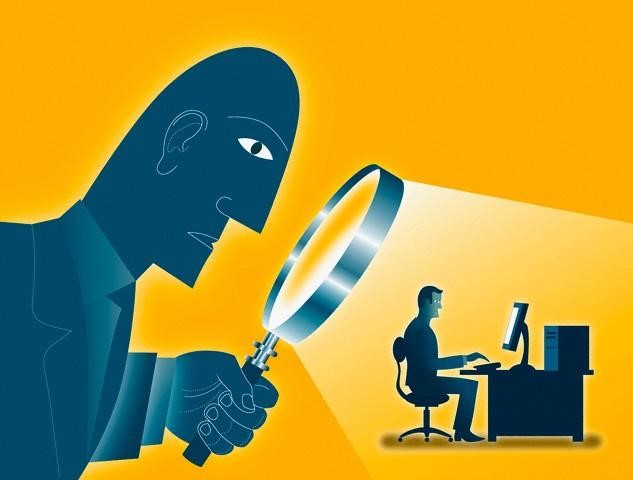
Personal data is the motor of many businesses in the Internet age. Information analysis enables targeted advertising, improving services, producing new goods, and recognizing market demands for everyone. According to an European Union (EU) survey, the majority of individuals are worried about their privacy and how their data is utilized (1). However, concern does not always imply caution. Let’s see why. More than 60% of EU citizens consider it is acceptable that their online activity is monitored in exchange for free access to a website or that companies share their information without any consent (1). It is also more a
How to protect our privacy on the Internet
Since its inception, the Internet has been designed to allow us to exchange and share data. In this sense, accessing a website is a way to receive information, but also to provide it. Nowadays, thanks to the spread of the Internet, users can participate, interact and share large amounts of content and data. However, personal data are very valuable elements as they build our online profile, adding up day after day. For this reason, it is important to be aware of the useful ways to protect your data and, consequently, your online privacy. In fact, indiscriminately providing personal data on the Internet

Is Political Fact-Checking Effective?
This article discusses the relationship between fact-checking and politics. Fact-checking is defined as the process of verifying the factual accuracy of text (Merriam Webster Dictionary). A fact-checking system monitors media sources and selects claims to be fact-checked based on priority, assessing claims against authoritative sources and then exposing and detailing misinformation (Hassan et al., 2017). Fact-checking has been described as the ‘most prominent journalistic response to fake news and other forms of misleading or false information’ (Guess et al., 2018). Fact-checking has been declared ‘a crucial function of journalism in a healthy democracy because of its theoretical potential to hold

Most of us nowadays rely heavily on the internet to enjoy social media, online education, remote work, and all sorts of entertainment and amusements on online platforms. But widespread utilization doesn’t equal widespread understanding, unfortunately. The good news is that apparently there are plenty of ways to stay safe when online but how specifically could this be done smartly in order to preserve our psycho-physical integrity? Let’s ‘talk for instance about doxing, a topic which we are already familiar with and let’s try to list and go through all the tricks we could put in practice in our daily lives to

How much personal data are you willing to give?
Online users are incredibly vulnerable to security threats, and there is a long list of ramifications associated with their safety. Hereby we are discussing only the major issues concerning online privacy. This topic can of course be more divisive. The fact is that internet privacy has always mattered not only in social media times but the only difference between the last decade and now is that online threats and data breaches have escalated 10 times compared to the past. That’s not a good number nor a great time to be heading online without security measures. Cybercriminals and online data sellers in
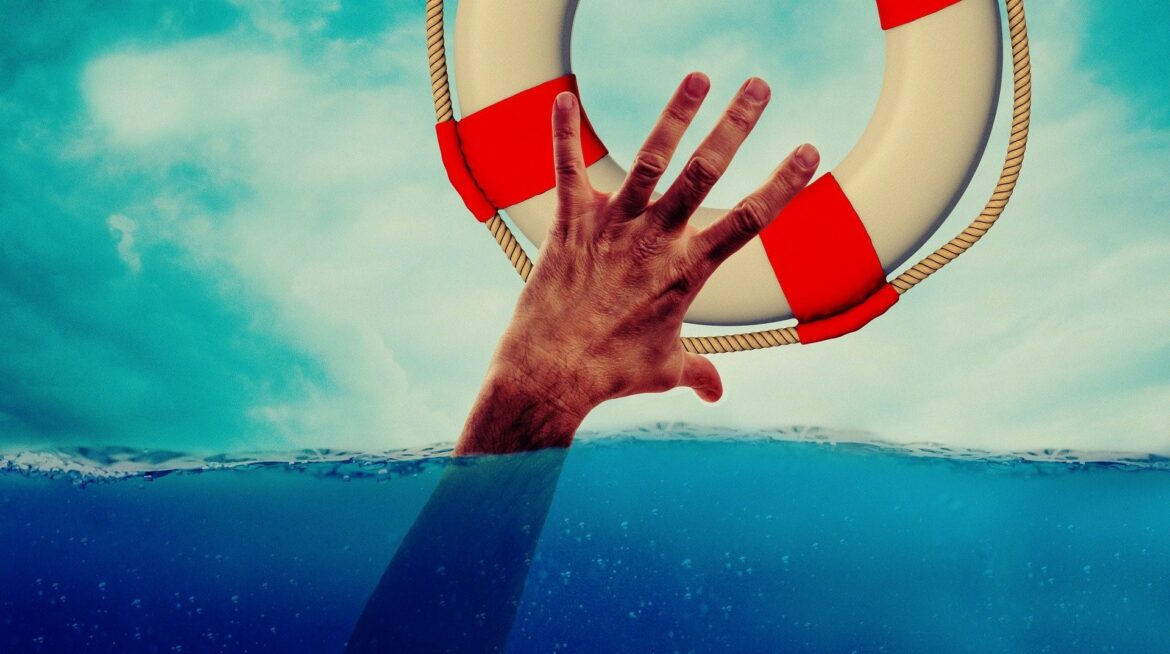
Wear your life-jacket before you enter the sea!
The amount of information we are fed with on a daily basis is growing at an exponential rate. In fact, as I write this, millions of bytes of information have been created throughout the internet on a wide range of different topics. The nature of this information is, however, paradoxical. It may certainly improve our lives, but it also has the ability to hurt ourselves and others we care about. Cybercrime is getting more prevalent all over the world. Identity theft, cyberbullying, online predatory behavior, phishing, online scamming, malware, and inappropriate content are just a few examples of the distinct
Importance of fact checking
Why Media Systems Matter: A Fact-Checking Study of UK Television News during the Coronavirus Pandemic This study focused on exploring the effectiveness of fact-checking in relation to a selected sample of UK audiences during the major covid-19 health crisis. Built on a six-week news study during the coronavirus outbreak, the research reached the conclusion that the UK’s impartial public service attitude created an environment where audiences were positively receptive to journalists’ fact-checking and countering misinformation. The study argued also that since audiences favored information’s scrutiny over yellow journalism, broadcasters were in a favorable position to propose fact-check claims without diminishing
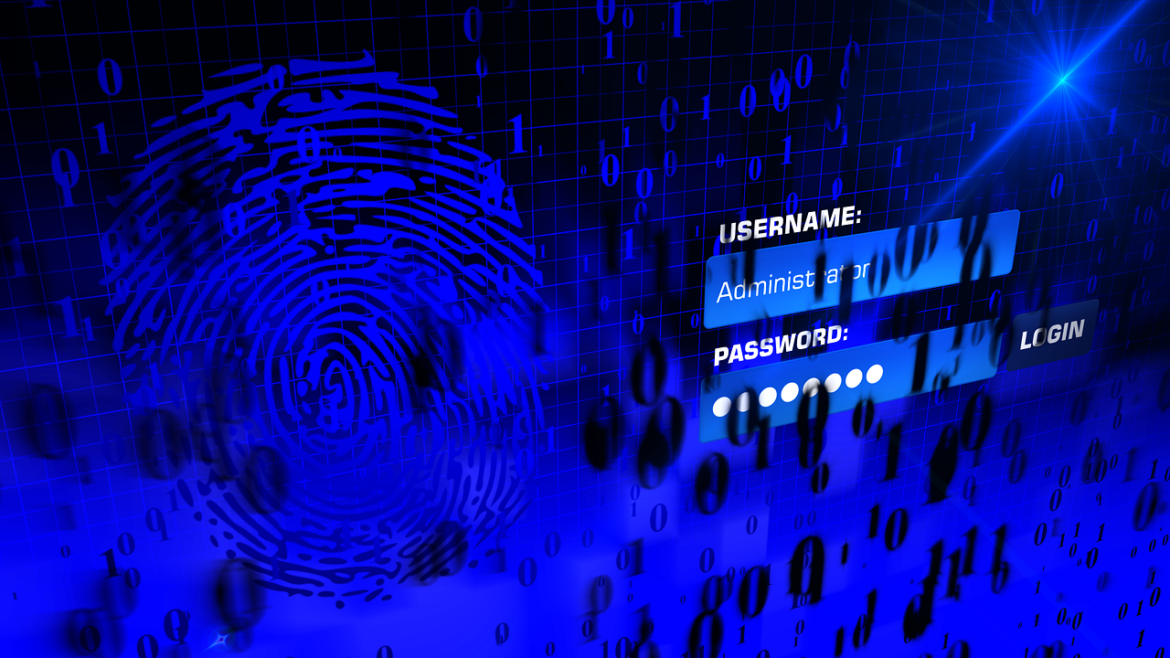
User privacy?
Privacy is the protected and guaranteed right of the user, who uses certain internet applications (such as social media for example), to check that the information concerning him/her is treated in compliance with the rules that regulate it and, in particular, in compliance self-determination of the individual to their dissemination and contextually in the control of news concerning him/her. Anyone who uses the personal data of a subject is required in any case to issue an information notice (or in any case make a link available to connect to for information) to illustrate the purposes and methods of data processing.
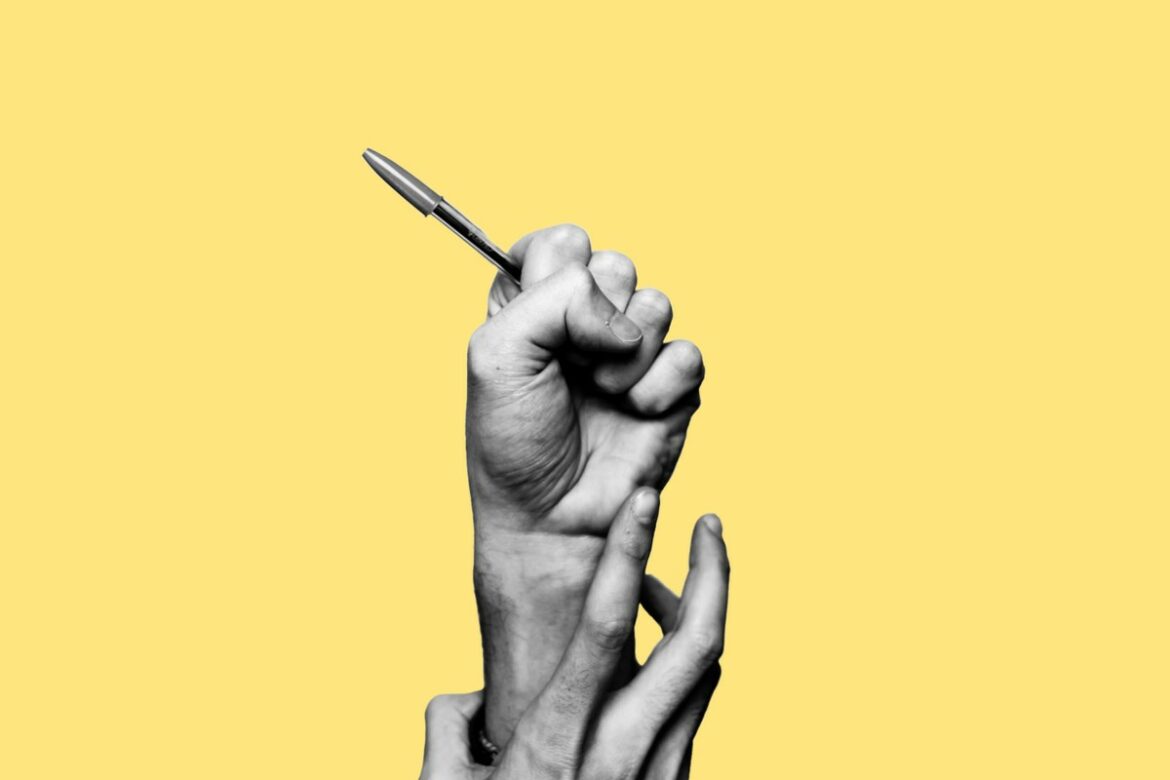
Fact-checking needs our readiness
Journal’s headlines need to capture our attention. Most of the time, they are specifically created to drag the reader into an emotional bubble, unleashing a strong response that leads us to be willing to engage further with the article. This mechanism particularly works when the news itself is considered a “hot” topic. For instance, this happened with the Covid-19 pandemic. At the beginning of 2020, Italian newspapers started writing articles preceded by sensationalistic headlines, creating a chaotic reaction in readers who desperately needed information about this previously unknown disease. All in a frantic search for information, but few able to identify

Societal Consequences of Deepfake videos
This article explores the wider societal effects of deepfakes, looking specifically at the potential societal effects. It is essential to first define a deepfake. Deepfakes are defined by European Parliament as… ‘manipulated or synthetic audio or visual media that seem authentic, and which feature people that appear to say or do something they have never said or done, produced using artificial intelligence techniques, including machine learning and deep learning’ (EPRS 2021) Wahl-Jorgensen and Carlson further explain that… ‘The emergence of deepfakes results from recent technological developments in machine learning in which a program combines two distinct sets of images to
Since Emile Zola’s famous “J’accuse”, political journalism has tried to play the role of safeguarder of the public interest. However, with the advent of digital technology and social media, tables turned to make it necessary to develop new skills and a new mental framework to approach this matter. Zola’s famous “J’accuse” on the Dreyfus affair or the infamous Watergate scandal that led to Richard Nixon impeachment are just a couple of the most prominent cases in which political journalism played the role of “Fourth Power” meaning that of overseer of the legislative, executive and judicial power. The engaged, hard-hitting