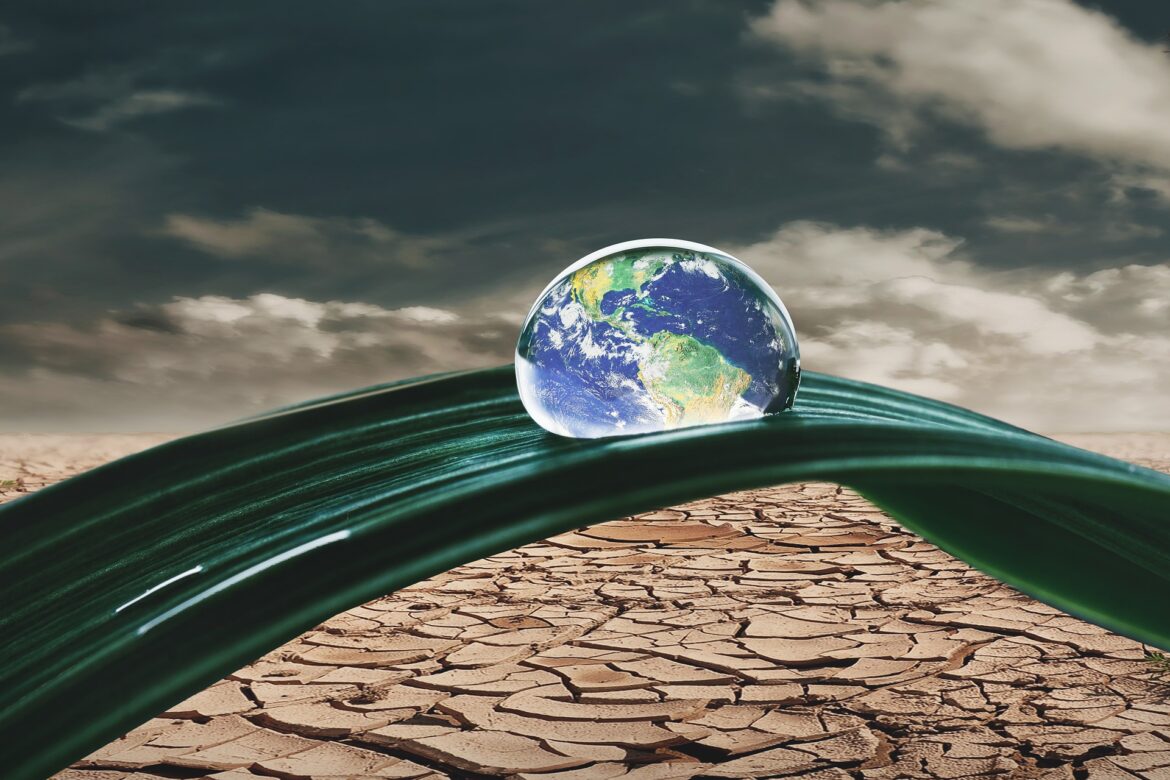
Drylands – arid, semi-arid and dry sub-humid areas – cover 46.2 % of the global land and are home to 3 billion people. They result from both human activities and climate variations, and are prone to desertification. Desertification describes the total land degradation of drylands. Global desertification is rising, affecting 9.2 % of all drylands, or 500 million people, in 2015. The highest number of communities affected can be found in South and East Asia, the Sahara region, and the Middle East. Jordan is a case in point. Due to little rainfall, deforestation, soil erosion, land mismanagement, climate change, droughts, and
Tag: Climate change
There is no Planet B
“We do not inherit the earth from our ancestors; we borrow it from our children”, Native American Proverb The picture above dates back to the 15th of March 2019 and it shows an inflatable planet Earth bouncing around the crowd during a climate-change-awareness demonstration in Sydney. On that day, thousands of environmentally concerned students in 80 countries held a “Fridays for Future” strike, marching through the streets with powerful signs. Since the beginning of 2019, large numbers of protests against government inaction on issues of climate change have been taking place in cities worldwide. The movements were largely student-led and
The upcoming challenge of climate migrants
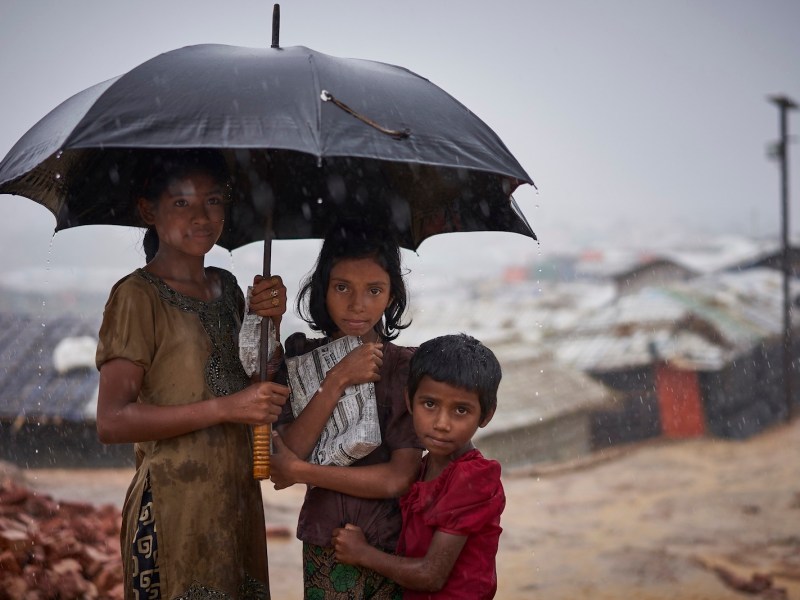
When we talk about global warming, one of the problems we often omit to talk about is the topic of climate migrants. Global warming is affecting human life in many ways, and one of the most important consequences is going to be the displacement of millions of people. According to the last report of the World Bank, global warming will raise up more than 143 million climate migrants by 2050. What is a climate migrant? A climate migrant is a person who is forced to leave his own house because of unsustainable weather conditions: dry and sterile lands, high levels of