Suffocating eco-chamber The anonymous website 4chan was created in 2003 by the American internet entrepreneur Christopher Poole. The website was originally fashioned on the “mold” of the Japanese image board Futaba, also known as 2chan. The peculiarity of 2chan and its English-language counterpart is its uncomplicated, users are anonymous and there is no need to register or to create an account in order to post comments and share images. As I have mentioned in my last article, the topics discussed on the “boards” are many, spanning from politics to anime. 4chans offspring 8chan has been in the center of the
Tag: Darknet

The dark web
The Internet is not just what we see, it mostly is what we do not see at all. It is estimated that while what we call a clear web is just 6% of all the information that every day are running through the optic fiber. The rest is basically composed of secured communications, private databases, and servers, that are not listed and that is only accessible from their owners. This part of the web is called the deep web. The deep web, on the contrary of what is commonly thought, is not related to illegal activities, and comprehend whatever the
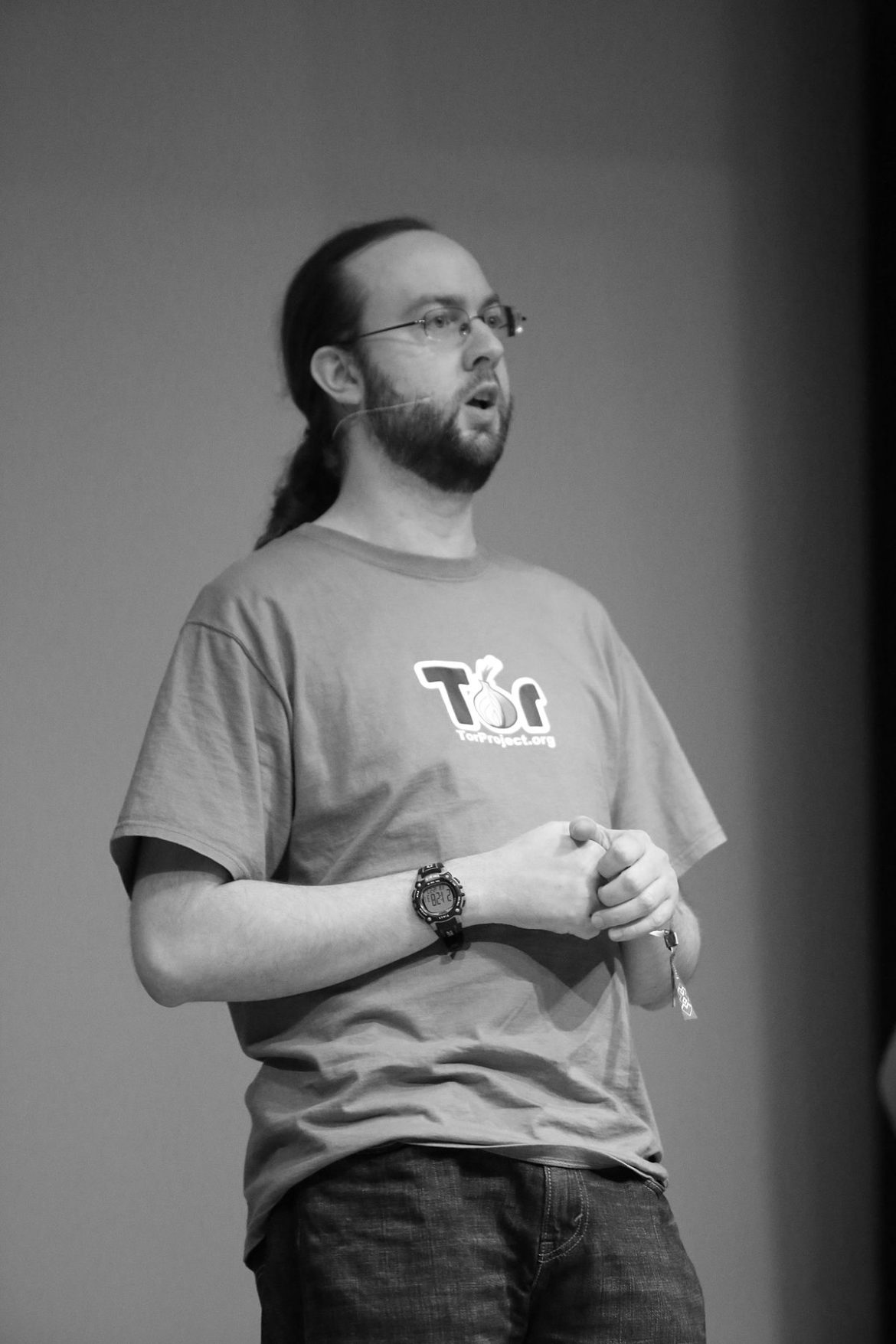
Tor controversial history
Tor Project is a collaborative and open-source software that was born with the aim to create secure and anonymous connections for all the users looking for an alternative, to the regular browsers such as Google Chrome, which showed a low degree of respect for the user information privacy. From its first public release in 2004, Tor was considered the Sacred Graal of internet privacy protection, a simple and free answer to the request of many users. Easy to use, and absolutely free, just download, install it and surf through a net where everyone should remain anonymous. The idea beyond Tor is