Over the past half decade, the legitimacy of the mainstream media has become a central theme of our political discourse. Some of this as of the result of Donald Trump’s repeated declarations that much of US media represents ‘fake news’. A term which is quickly gone from being the reserve a fringe conspiracy theorists to part of our everyday lexicon. This disdain for the mainstream media among some portions of the population has since spread to other countries. Supporters of Brexit in the UK, for example, have often levelled similar accusations of bias at the British press. Such critics have
Tag: Media bias
Trump and media bias
Over the past half decade, the legitimacy of the mainstream media has become a central theme of our political discourse. Some of this as of the result of Donald Trump’s repeated declarations that much of US media represents ‘fake news’. A term that is quickly gone from being the reserve of fringe conspiracy theorists to part of our everyday lexicon. This disdain for the mainstream media among some portions of the population has since spread to other countries. Supporters of Brexit in the UK, for example, have often levelled similar accusations of bias at the British press. Such critics have
What is (Racist) Media Bias and how does it manifest?
Media Bias – What is it? Media bias is the perceived bias exercised by journalists, news outlets and mass media that impacts the professional standard of journalism. Biases are the tendency to lean towards a specific position, political ideology, or opinion. As a medium that functions to inform citizens, the media is supposed to be objective and informative. In reality, however, media consumers are subjected to media bias in broadcasting, publishing and on the internet. Media bias affects what gets published, which perspective a journalist takes when writing about an event or a story, and the language a journalist uses
Western Media bias
‘Journalists are the archetype of ideological tools who create culture and produce knowledge.’ (Nir Rosen 2011) It can be said, therefore, that journalists play a significant role in influencing perceptions, opinions and values. Scholarship, however, has also concluded that it is impossible to write as a journalist without bias. Journalists inevitably reproduce and represent the culture and values of where they live and work. Many factors may influence bias in journalistic reporting. Personal experiences and opinions flow into reporting, often subconsciously. In addition, the media company a journalist works for, can exercise control over the narrative with, and including; guidelines,
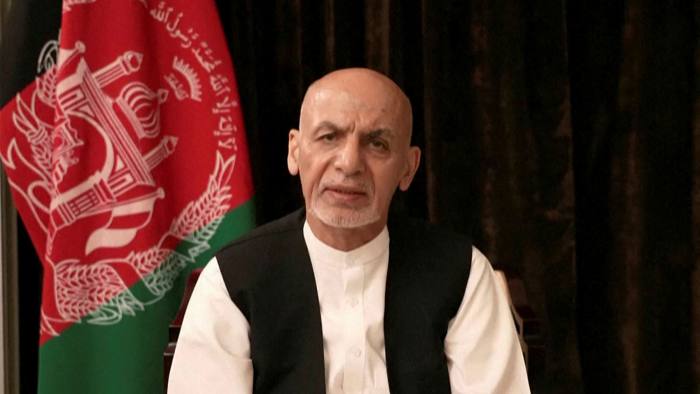
What is happening in Afghanistan?
In the modern era, it seems more and more difficult to get accurate news. Sure, the major news agencies can tell you the facts, but it feels like they are missing key details and not really telling the lives of those that it affects. Then I turn to Instagram, at least I now know that my Instagram is an echo chamber of what I am expected to believe about the world. Therefore, I know my Instagram will appear more like the truth to me, or at least my subjective understanding of the truth. Yet, when I log onto my research
Media vs. Media Bias: Case Studies
Having young people as the main target of IDare, it is important not only to elaborate on their main sources of information but also on their leisure and free time and how that relates to the media. Young people in Jordan are known to spend significant amounts of their free time reading, listening to music and watching TV (47%, 86%, and 87%, respectively) (1). This is an opportunity that needs to be exploited. If we recur to these alternative media channels as a way to promote awareness on the overall media panorama, we will surely witness a shift in the
How to identify media bias?
Media bias is not restricted to newspapers and can include radio, blogs, social media posts, newsletters, online news columns/opinions, television. The Australian College of Applied Psychology describes media bias as ‘expressing prejudice when reporting in print, online or by broadcast’, meaning that individuals are ‘presented with a view of events which may be inaccurate’. Bias has been proved inevitable, as it is impossible for individuals to write without their own perceptions influencing their writing. (Vallone et al 1985). In addition, no individual is aware of all the facts at one time, meaning that there are always facts missing. A useful
What is Media Bias?
This article is a basic introduction to Media bias. First, it explains what a bias it, then what a media bias is. After that it goes on to explain the types of media bias. A bias is an inclination or prejudice against a person or group. A bias can cause unfair or differentiated treatment. However, while unfair, that doesn’t mean it could negatively affect you. It may benefit you, but for one person to benefit, others must suffer. Therefore, a bias can cause harm. However, a bias may not do so deliberately, and people are often unaware of their biases.
The influence of media in youth civic engagement
The Organization for Economic Cooperation and Development (OECD) started the Civic Participation section of its latest youth inclusion project, which involves Jordan as one of the nine beneficiary countries, by saying “young people are agents of change” (1). This is a strong statement reflecting the inherent capacity of youth for mobilisation which is elementary for the success of developing countries. The United Nations reported recently that around sixty three percent of the Jordanian population is below thirty, which makes it one of the youngest populations in the world (2). This demographic dividend, supported by a striking sense of duty regarding