
“Language not only creates the contours of identity, it also may set up the conditions for other kinds of inclusion and exclusion, belonging and not belonging, success and failure… Language gives meaning to social structures, identity-creating and oppressive ones.” Benjamin Baez Humans have multiple identities that intersect with each other. The concept of intersectionality, as we pointed out in our previous articles, was for the first time described by Dr. Kimberlè Crenshaw, according to whom, certain individuals face multiple and intersecting forms of structural discrimination. In this article, we will focus on the linguistic aspects of intersectionality, on language as one
Category: Intersectionality

Applying intersectionality
It really starts with the top leadership, making sure that folks know all the way down that intersectionality is a top priority. Cornell Verdeja-Woodson In this article, we would like to deepen and bring to light the best and most useful actions to put intersectionality into our daily practices and policies. That is to promote opportunity for individuals and communities who face multiple and intersecting forms of discrimination. It is not easy to change our perspective, it requires analysis and a shift to a wider point of view, considering issues that we may have not considered before. Of course, the list of practices

Intersectionality and representation in the modern narrative
Until society represents everyone, the question will always be “Where do I belong? Do I belong?” Aisha Thomas, Why Representation Really Matters, TEDxBristol, 2019. The world of arts, including literature, films, and television, is not only made to entertain us. It is often seen as a mirror of reality, but this mirror is not always been truthful about the real world. The reality that we sometimes read about or see in TV and films is not like the one that we live in every day, but it is made up predominantly of privileged people according to their class, origins, gender,

Intersectionality, so what?
Intersectionality describes our overlapping identities and the ways that those overlapping identities connect systems of oppression. The term was coined by legal scholar Kimberlé Crenshaw in 1989 to describe how systems of oppression overlap to create distinct experiences for people with multiple identity categories. When it comes to social science, there are countless terms that aim to aid us understand the world around us, so what’s the significance of intersectionality? Intersectionality is important because we live in a world where individuals and communities face differing types of oppression, which can hinder our ability to access opportunities and resources. Intersectionality helps us
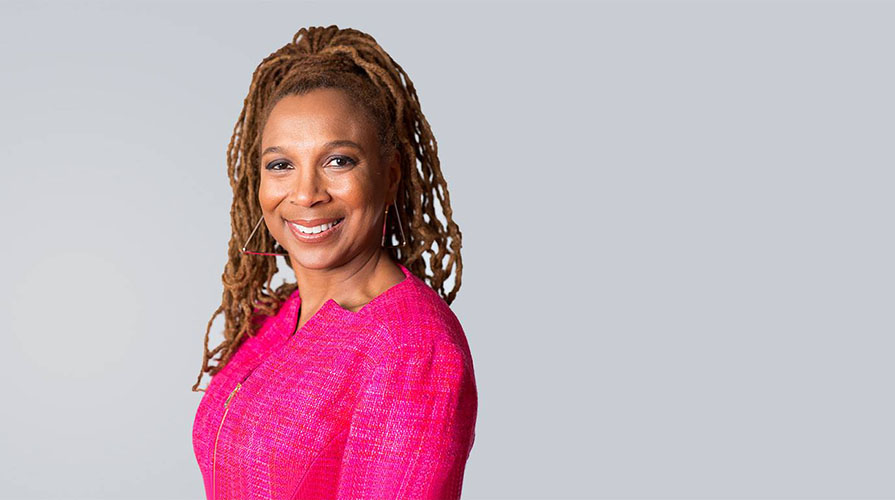
Crenshaw: the origin of intersectionality
Some say that if your feminism isn’t intersectional, it isn’t feminism at all. Others say that intersectionality as a concept has muddied the waters of an already complicated feminist discourse. Intersectionality is a term coined by civil rights advocate and Law Professor Kimberly Crenshaw. She introduced the term to feminist theory in her paper for the University of Chicago Legal Forum in 1989 called Demarginalizing the Intersection of Race and Sex: A Black Feminist Critique of Antidiscrimination Doctrine, Feminist Theory and Antiracist Politics. In the paper, she discusses what she calls the ‘single access framework’, that is used to discuss
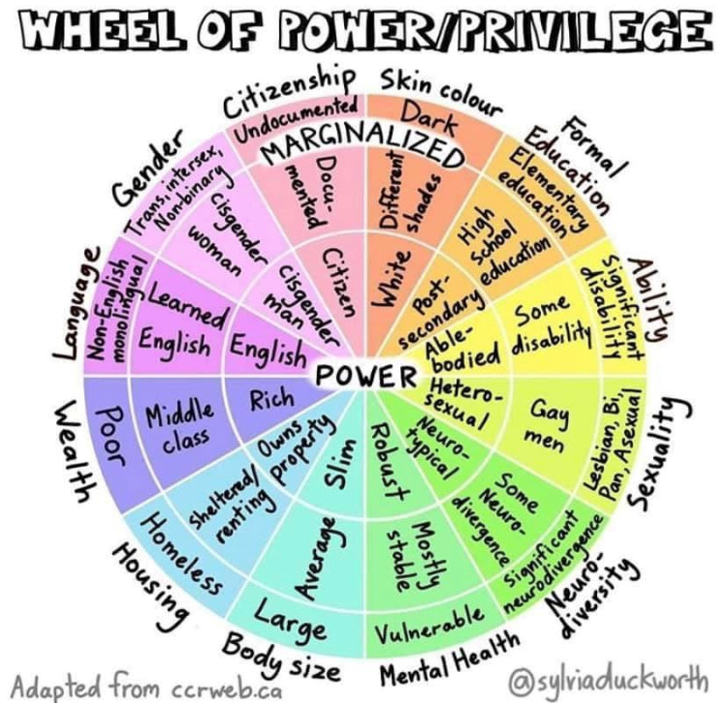
Towards an intersectional approach
Discrimination is not an isolated phenomenon, but several types of discrimination can happen at the same time, intertwining with each other and creating unique realities for different people. The introduction of Intersectionality was ground-breaking in its approach to understanding social problems, as it finally gave us the means to look at discrimination in all its facets. Adopting an intersectional approach is important in every aspect of life, from our work life to our interactions with people. But how can we manage to achieve a more intersectional approach? the first step is to understand where we stand, where we are on the

Approaching and applying intersectionality
Intersectionality is an analytical tool that recognises that systemic inequalities are configured from the superposition of different social factors such as gender, ethnicity and social class. Consequently, both the disadvantages and the privileges that a person has at a given moment particular time and place cannot be understood by examining in isolation the various elements of their identity. On the contrary, attention must be paid to the set of power relations that affect it, including those forces at the macro-level such as colonial past and poverty; and then forces at the micro-level, which include a person’s health status and the

The Roots of Intersectionality
Intersectionality has been a common theme in feminist theory, writing, and activism for the last several years. It has even become something of a buzzword. And yet, there remains a great deal of misunderstanding about what intersectionality really means and, consequently, how it is supposed to manifest within the feminist movement. This confusion has led to a backlash claiming that intersectionality diverts women’s energy from the key goals of the feminist movement: dismantling patriarchy, ending male dominance and violence against women, when in fact it is only through a truly intersectional approach that these goals become possible for all women,