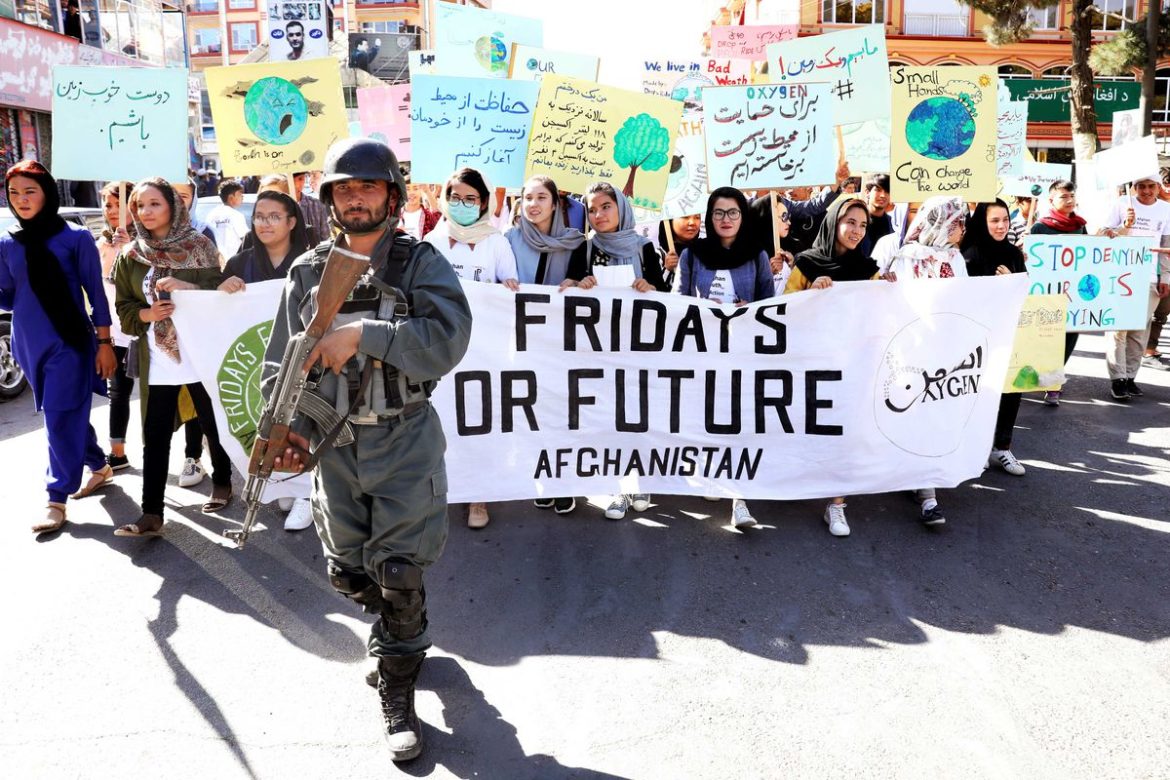
The second decade of the 2000s was turbulent and rich in events that will leave a mark in history. From the 2011’s financial crisis to the Arab Spring, from the Greek’s OXI referendum to the Libyan Civil war after the killing of Gaddafi, the war in Syria, the rise and the decay of the ISIL, to the wave of violent extremism in France, the migration crisis in Europe, the rise of the right-wing populism and the election of Donald Trump. These are just a few of the events that have shaken our world in the last ten years. This decade
Tag: Populism
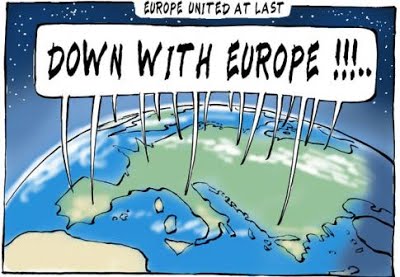
Positive peace and the rise of populism in Europe
Political scientist and professor Peter Taggart have lately said that populism is “one of the most widely used but poorly understood political concepts of our time” [1]. Populism by definition is an ideology that has at its core the creation of an “us vs them” mentality, thus dividing the political discourse. “Us” being the people, seen as the morally and ethically superior force to “them”, the elite, portrayed as corrupt, egotistical and deceptive. Populist leaders carefully pick their side, their people, along the lines of class, ethnicity or nationality and oppose them to the carefully engineered idea of the homogeneous

Populism in the MENA region: old and new
Following up to my last article and as I am currently living in Jordan, I wanted to do some research and study on the populist phenomenon, and its application in the MENA region; How have they emerged and mutated through the years, and who are, and have been, the main public figures. I have never really stopped to think about populism outside of Western politics. Nowadays and, at least, in my social circle, the word “populism” usually invokes images of right wings politicians parading their conservative policies. Anti-immigration, Islamophobia, homophobic tendencies represented by a wide array of politicians across the continent, from the