
“In a matter of hours, Israel carries out the bloodiest massacre in its history” 7 Nov. 2023, official statement by the Geneva based Euro-Med Human Rights Monitor. The UN High Commissioner for Human Rights, Volker Turk adopts Austria’s agenda, endorsing crimes in Gaza ahead of his visit to the Rafah crossing on 8 Nov. 2023. Today marks one month of Israeli aggression on Gaza since 7th Oct. 2023. This continuous Israeli military aggression on Gaza killed 10581 persons of which are 4412 children, 2761 women and 9641 civilians according to the latest stats for 31 days of aggression released
Category: Understanding Violence
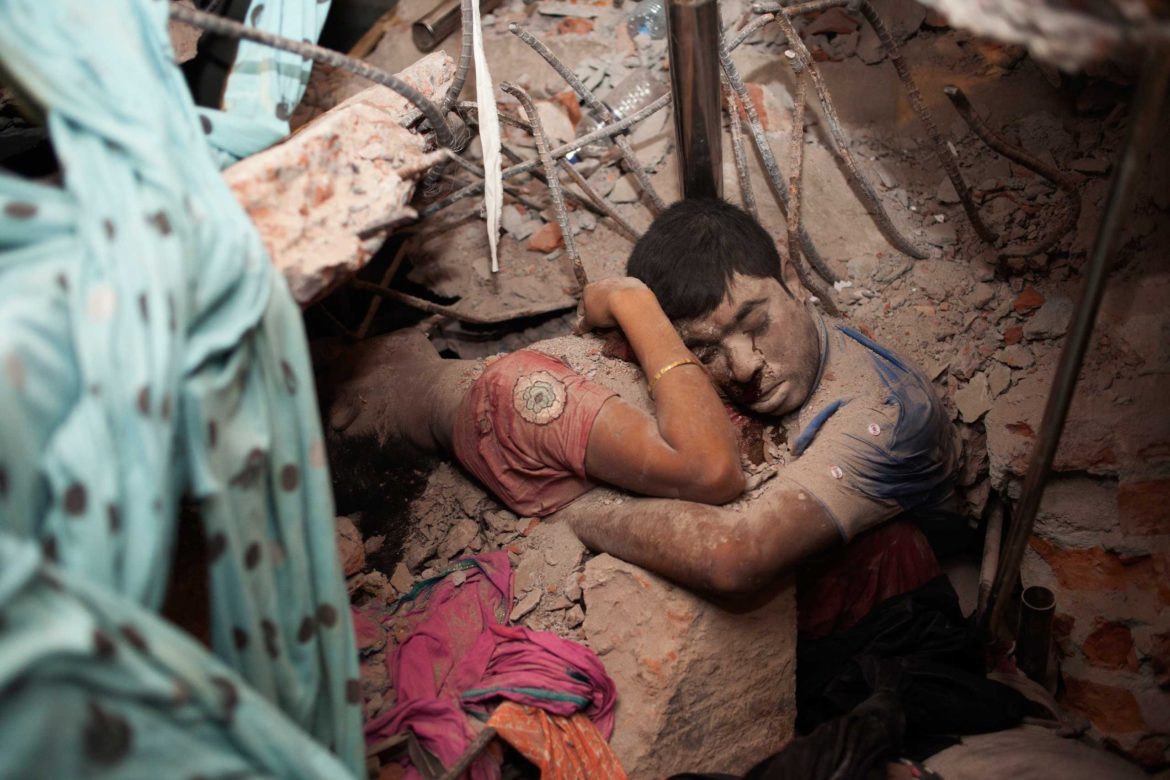
When extreme violence goes out of common places
Today, the language is degraded. Most of our contemporaries fall – not always voluntarily – in common places and platitudes strengthening the one-track thinking. This diversion of language makes it easier to keep the attention of the masses on some social issues. An example illustrated by the concept of violent extremism. On the official website of the Department of Homeland Security of the United States of America, the concept of violent extremism is defined as follows: “individuals who support or commit ideologically-motivated violence to further political goals”[1]. These actions of violence are committed by: “groups and individuals inspired by a
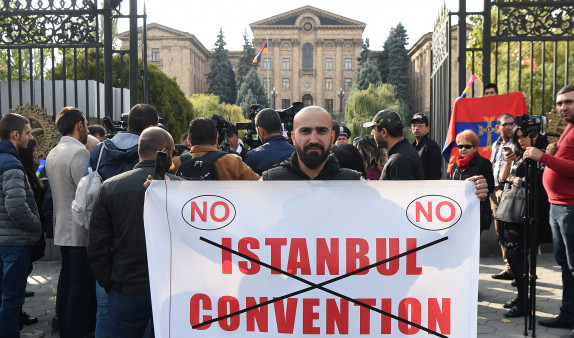
Using Istanbul’s Convention as an advocacy tool? for violence against women
In order to have a clear understanding of the topic mentioned here, we need to agree on some of the definitions and to also think about the following example/question; why do you think we have coca-cola-zero and coca-cola-light? Is it not logical to only have one type of diet cola? we will come to this “issue” at the end of this article. What is advocacy? Advocacy is a set of actions that are taken in order to influence the decisions of policy-makers. What is Istanbul’s convention? It is a document produced by the Council of Europe in the format of a convention

Pacifism in troubled times
“Most analyses of violence in the different historical periods tend to view the modern era as significantly less violent than all of its historical predecessors”, stated Siniša Malešević, a sociologist from the University College of Dublin, in Ireland, a few years ago. This is indeed a common thought to underline that our contemporary societies tend to be less violent compared to ancient times. Such thoughts are based on apparently reliable indicators, as the decrease in homicide rates or the disappearance of public torture, which allowed us to think that our ancestors used to live in a substantially more violent world.

Echo chambers: an old school approach?
Echo chambers: an old-school approach? Echo chambers. For many of us, this is a 21st-century issue were we are extremely connected with media and social networks and, in fact, this is not wrong! In our days, big technology companies are using and developing new ways to collect and analyze our personal information online and track it in order to create an extremely complete profile for each user. Having specific details about your researches, contacts, and personal information are all available online, companies are able to work efficiently in order to reach objectives related to the audience. Part of the practical consequences of

Fake news vs. democracy
Rumors, gossips, and falsehoods have always existed: do you remember when a very distant relative told your mother that he had seen you play hooky and it was not true? Or when your neighbors rumored that you used to smoke just because they had seen you hang out with a group of friends who used to smoke? So, in our daily life “fake news” – that in a general meaning are news that are not real, true – have always existed and always caused trouble at school, with our relatives or among friends; by the way, recently, fake news – “stories
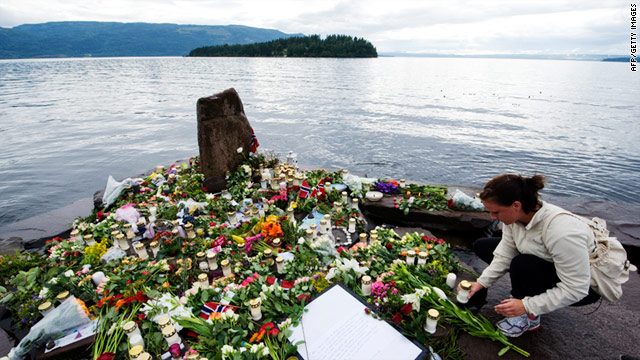
Echo chambers and terrorism: How an online ‘bubble’ of hate wounded an entire nation
It is Friday afternoon in Oslo (22 July 2011), the capital city of Norway. People are getting ready for the weekend: discussing dinner plans, packing their cars to leave for the mountains or the countryside, preparing to visit friends and family. It’s the middle of summer, but it’s a typical Norwegian summer: Not very warm and not very sunny. On the contrary – heavy rain clouds are looming over the streets of Oslo. The temperature hardly ever climbs above 15°C. Despite the grey, the wet and the cold, however, Oslo is warmed by a sense of excitement for the holidays