
Time is the most precious resource that we own, everyone wants a piece of it: owners, friends, family and Facebook. Time is anyway a discussed topic even in the science, and a lot of scientists in modern physics claim that it is possible that time itself neither exists nor it is nothing more than a human convention. But still, we live in that human convention, so time is regulating our lives and relationships from work to the most friendly times. Clocks everywhere; smartphones, city buildings, churches, working place, and everywhere. So now we have to manage it very carefully, we need
Tag: Attention economy

The attention machine
Attention has been defined as the “notice taken of someone or something; the regarding of someone or something as interesting or important”. An object, situation or thought actively taking up space in your mind. However obvious and intuitive it may sound, the ability to focus constantly while performing some task or movement is more time and energy-consuming that you may think. To “pay attention” is a pretty self-explanatory phrase commonly used in everyday life, and it shifts attention to two important characteristics of attention: it is finite and it is indeed precious. At any given moment in life, an individual

The implications of filter bubbles in social media and the impact on the society
Daily routine: We wake up in the morning, we have breakfast and we open our smartphones to receive daily news about the world surrounding us. It would appear as innocent as it sounds, although the only problem is that probably most of us are not aware of the fact that information we learned from social media or search engines were filtered and delivered to us in a perfectly tailored form; each matching every individual’s preferences. Ultimately, we unconsciously fell into the post-truth era where the objective facts are no longer accessible to everyone on the same level. The truth we

What is an Echo-Chamber and how does it affect people in social media?
Nowadays, simultaneously with the increasingly influential and widespread use of social media, it has been observed that a very contagious social phenomenon is infecting our way of thinking: a phenomenon according to which people use social media to have access to certain types of news and information, even at the political level. More specifically, it would seem that social media users select the type of information and content they want to access on the basis of their preferences and orientations; in other words, people only read that the news that is going to confirm and strengthen their opinions. This is
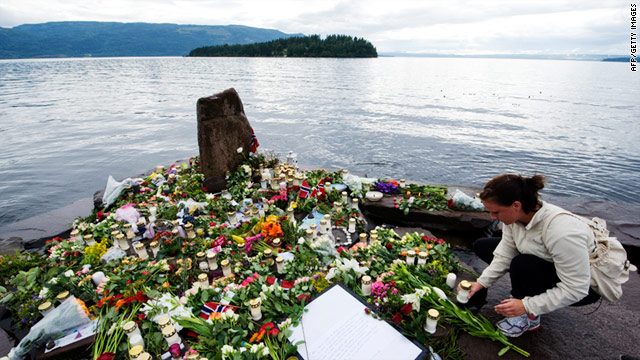
Echo chambers and terrorism: How an online ‘bubble’ of hate wounded an entire nation
It is Friday afternoon in Oslo (22 July 2011), the capital city of Norway. People are getting ready for the weekend: discussing dinner plans, packing their cars to leave for the mountains or the countryside, preparing to visit friends and family. It’s the middle of summer, but it’s a typical Norwegian summer: Not very warm and not very sunny. On the contrary – heavy rain clouds are looming over the streets of Oslo. The temperature hardly ever climbs above 15°C. Despite the grey, the wet and the cold, however, Oslo is warmed by a sense of excitement for the holidays

How “social media phenomena” influence social behavior: “pizzagate” conspiracy theory
Currently, in the IDare community, we are dealing with some phenomena which are occurring nowadays within social media and all kinds of online communication, and which are having strong psychological effects on people, especially on their way of thinking and acting. This article aims at showing one of the most concrete examples of the negative and serious consequences that these phenomena recently caused, leading some members of the social community to carry out extreme reactions. Starting from the beginning, we saw in the previous articles how fake news –it means, stories which are provably false- have an intensive “mental appeal”