
Mention the Jordan Valley in a conversation about Creative and Cultural Industries, their future and their promise, you are more likely to hear words of discouragement than possibility or potential. The region is still widely viewed as a peripheral, a place of unbearable heat, hardship, and underdevelopment. But, what if this very region (long marginalised and underestimated) holds the keys to reimagining Jordan’s Creative and Cultural future? What if the rhythms of its agricultural seasons, the depth of its living heritage, and the quiet resilience of its communities are not barriers but the foundation of a truly transformative ecosystem? To
Tag: CCI

White paper on Creative and Cultural Industries (CCI) in Jordan
Introduction Tashgeel Readiness IDare for Sustainable Development is a civil society organization actively involved in Jordan’s youth work sector. Since 2018, IDare has been supporting Jordan’s youth through our innovative initiative, C-Hub: Innovation and Creation. We firmly believe in the Creative and Cultural Industry’s potential to not only uncover opportunities for young people but also enable them to generate income and employment, guided by the principle of Tashgheel. Presently, Jordan’s creative and cultural landscape showcases a variety of initiatives yet lacks an official governing body or comprehensive structure to support the creative-cultural economy. This recognition came with Jordan’s Economic Modernization

Jordan economic modernization vision and CCI What Will Success Look Like in ten years?
Jordan Economic Modernization Vision The Jordan Economic Modernization Vision is guided by a resounding call for “A Better Future.” Rooted in two fundamental pillars, this vision propels the nation towards transformative growth. The first pillar, focused on accelerated economic expansion, seeks to tap into Jordan’s full economic potential, fostering leaps in growth and ushering in new job prospects over the next decade. This, accompanied by a steady increase in citizens’ per capita income, forms the core of these efforts. The second pillar, equally vital, is dedicated to improving the quality of life for all Jordanians, positioning the nation as a

Addressing the gap between Creative Individuals and Technical Experts in the Design Job Market
The issue: In the professional sphere, there appears to be a preference for machine-like individuals over creative minds. The term “machine-people” is used to describe those who possess technical proficiency in operating software but lack a deeper understanding of the scientific principles underpinning creation. This trend in the job market seems to favor the machine-oriented approach rather than valuing creative individuals who base their work on scientific knowledge. There is a pressing need to explore the designer and design market in a more elaborate manner. The problem lies in the educational system, particularly universities, which are failing to provide relevant scientific

Gig Economy and Web 3.0
Web 3.0 introduction Web 3.0 (this segment was presented by Eng. Layth Altarawneh), coined around 2014, represents a paradigm shift in the evolution of the internet. The key aspects of Web 3.0 as a decentralized and privacy-focused version of the web, built on blockchain technology. While Web 1.0 was characterized by static web pages and Web 2.0 introduced the interactive and social web we use today, Web 3.0 aims to address the centralization, data privacy, and security concerns prevalent in Web 2.0. At the heart of Web 3.0 is the blockchain, a decentralized network that operates on a peer-to-peer basis

Gig Economy and Web 3 reality and its relevance to the Creative and Cultural Industries in Jordan: Concept Note
The gig economy is a term used to describe the growing number of people who are working independently, often on a contract or freelance basis; temporary and part-time positions filled by independent contractors and freelancers. Web 0.3 is a term used to describe the third stage of the development of the World Wide Web, which is characterized by the rise of social media and other platforms that allow users to create and share content. Rebekah Bastian defined Web 3 in her article “2022 Prediction: The Influence Of Web3 On The Future Of Work published” in Forbes on 22 Dec. 2021 as
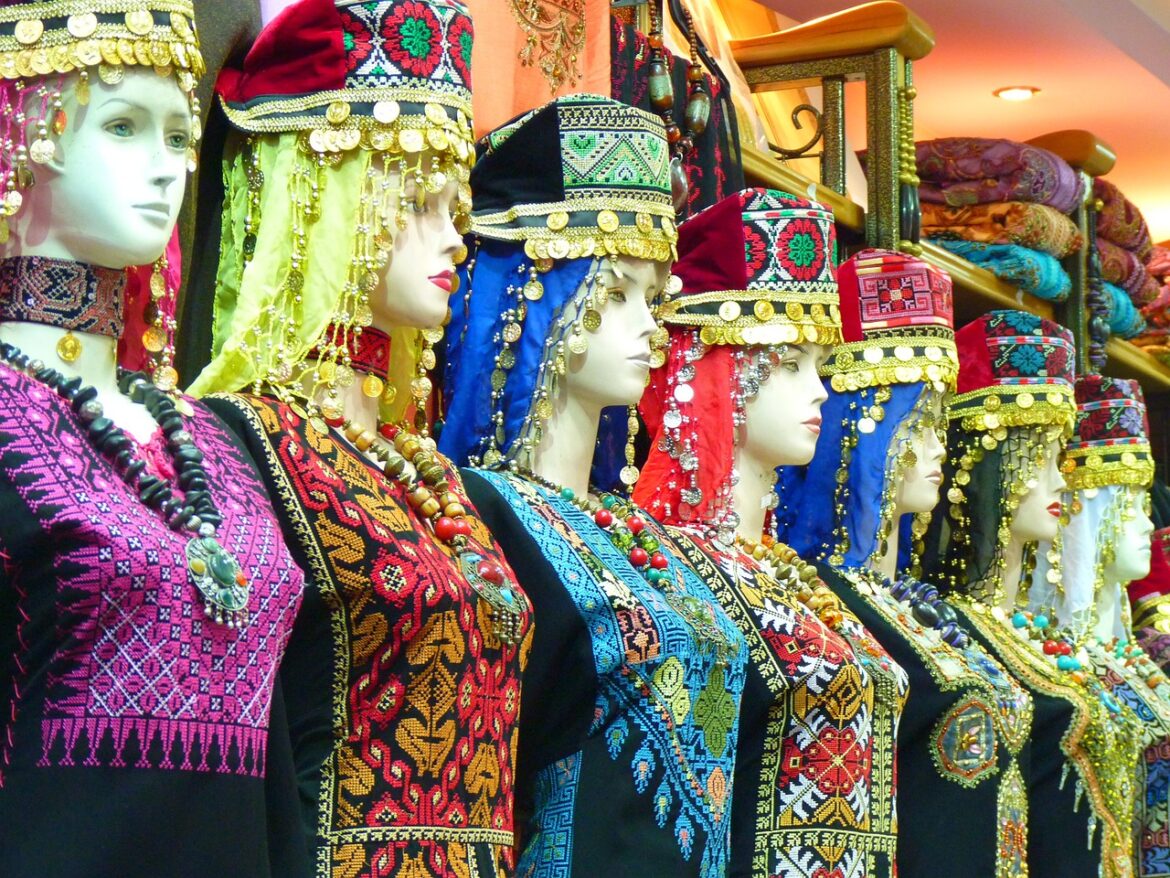
Women’s reality within the Creative and Cultural Industries (CCIs) outside Amman governorate and large cities
Mental Framing: In examining the reality of women within the CCIs outside major cities, it is essential to consider their access to resources, opportunities for skill development, and support systems that can empower them to participate and thrive in these industries. The following points are contributing factors to support women’s effective engagement within the Creative and Cultural Industries (CCI): Perception and Mindset: It is important to recognize that any contribution, no matter how small, within the CCIs is valuable to society. Ideas can start small but have the potential to grow into thriving industries. Defining an Industry: An industry is

Recognition of Creative and Cultural Industries (CCI) in Jordan
Introduction: The second Meet Up was held on 15 May 2023 in Amman with the presence of 30 actors from the creative and the cultural industries in Jordan including representatives from the Ministry of Culture and H.E. Haifa Alnajjar. The Jordanian Ministry of Culture refers to the UNESCO definition when referring to the Creative and Cultural Industries (CCI) which is the use of creativity and cultural expressions as primary inputs and have the potential to generate economic, social, and cultural benefits. They include a wide range of activities, such as: crafts and folk art, design, fashion, film, gastronomy, literature, music,

Cultural and Creative Industries (CCI) Ecosystem in Jordan
IDare Support CCI project: Since 2019, IDare for Sustainable Development has been collaborating with stakeholders and actors, including youth, to investigate how the Creative and Cultural Industry (CCI) can be used and appreciated. This undertaking has entailed convening two forums, one in 2019 and another in 2021, to unite pertinent stakeholders such as users, makers, suppliers, and other CCI players, including young people. The aim of these forums has been to foster dialogues on the significance of the CCI for practitioners, the actualities and obstacles of the sector, and the desired future trajectory for the industry, with the active participation

Creative and Cultural Industries ecosystem in Jordan
Introduction: Since 2019, IDare for Sustainable Development has been collaborating with stakeholders and actors, including youth, to investigate how the Creative and Cultural Industry (CCI) can be leveraged and appreciated. This undertaking has entailed convening two forums, one in 2019 and another in 2021, to unite pertinent stakeholders such as users, makers, suppliers, and other CCI players, including young people. The objective of these forums has been to foster dialogues on the significance of the CCI for practitioners, the actualities and obstacles of the sector, and the desired future trajectory for the industry, with the active participation of youth. In
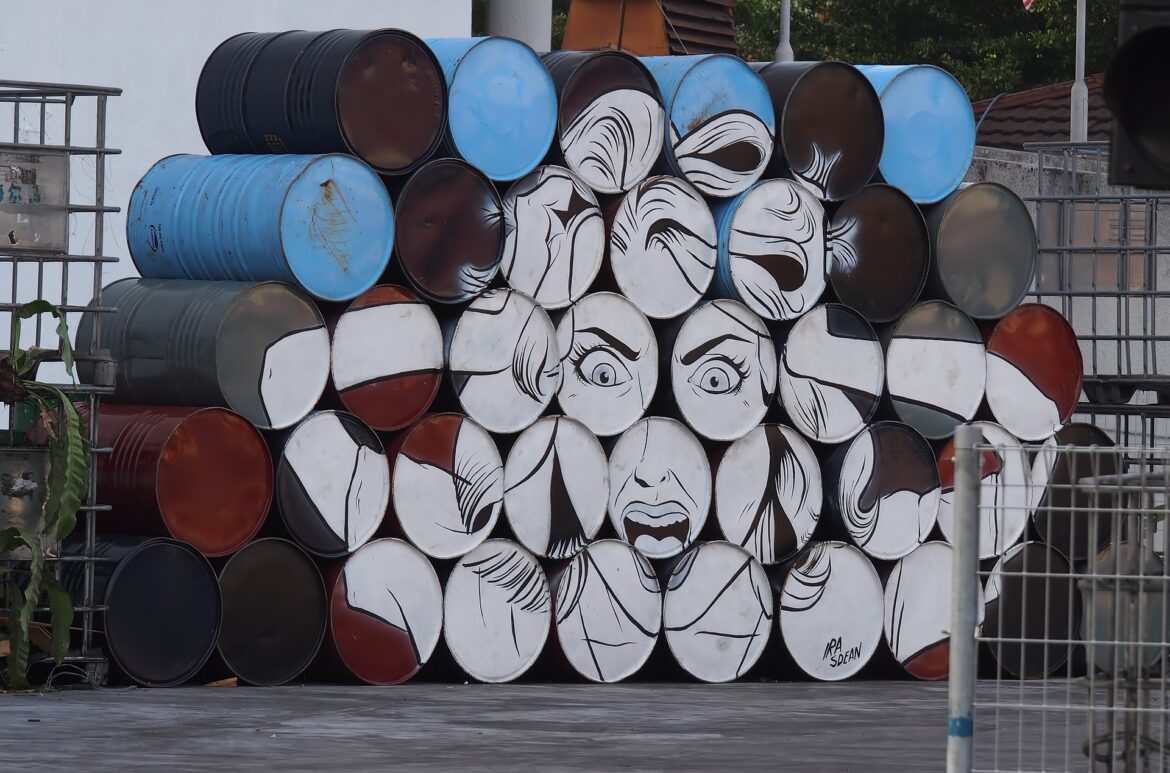
An Introduction to the Creative and Cultural Industries in the UK before COVID
Introduction to the Creative and Cultural Industries The creative and cultural industries (CCIs) have existed as long as humanity itself. They provide a means for societies to express and entertain themselves. Nowadays the CCIs- advertising, architecture, the visual art, crafts, fashion and textiles, design, performing arts, music, photography, film and video, computer games, radio and TV, writing and publishing, heritage, software/electronic publishing and cultural education- are recognised for their economic importance and cultural significance. Philosophers and sociologists, Theodor Adorno and Max Horkheimer coined the term cultural industries in 1944, in their prose, “Culture Industry: Enlightenment as Mass Deception”. Here they argued