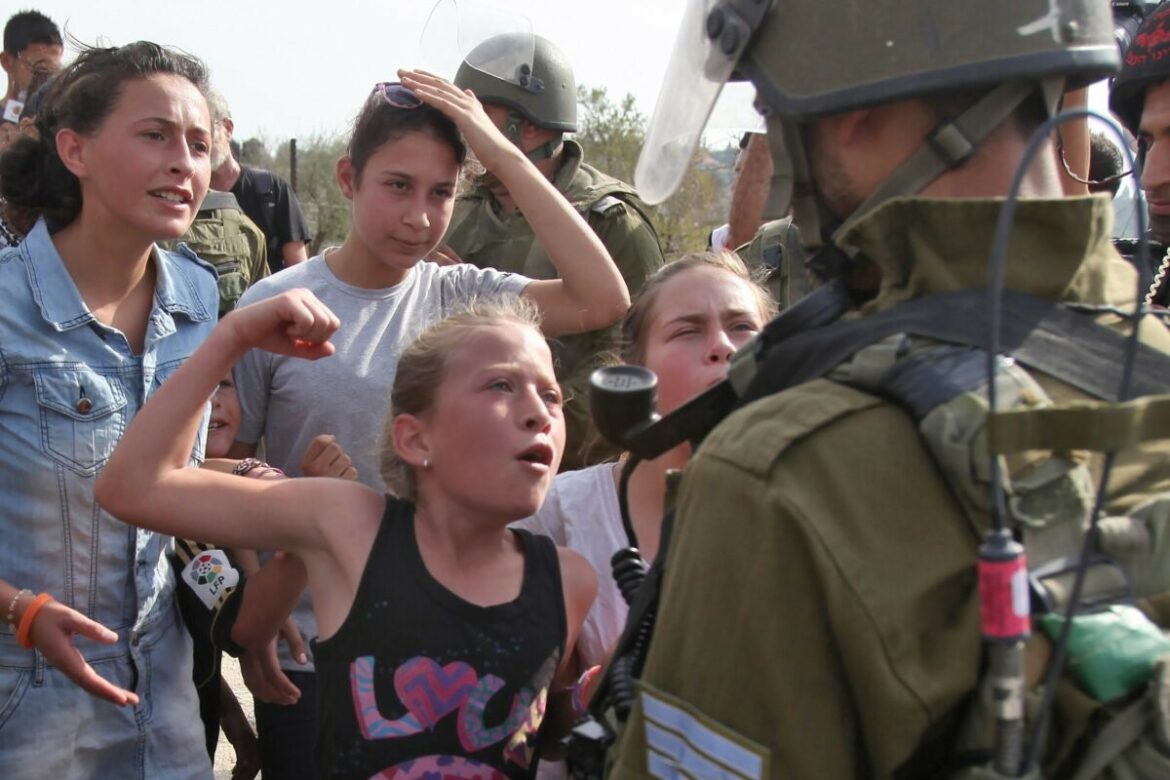
“A picture is worth a thousand words”, a clliché term, but one that holds weight. However, without words to explain who, what, why or when, in relation to an image, the context can be misconstrued, manipulated and misinterpreted. A cornerstone of our society is the way that information is spread and consumed. Images are used as a way to tell stories, as evidence and to evoke an emotion in the audience. As of 2020, Google reports that there are approximately 28 billion photos and videos uploaded to the service every week, and more than 4 trillion photos were stored in
Tag: Context

Shaping the publics’ opinions
“All of us who professionally use the mass media are the shapers of society. We can vulgarise that society, we can brutalise it, or we can help lift it onto a higher level” William Bernbach In all likelihood, most of us have heard or read about media bias, but what can we consider a bias? What media bias is more specifically? How does media bias affect our thinking and shape our opinions? What is a bias? In general, that is the tendency to lean towards or against someone or something. The direction in which you lean can be influenced by factors such
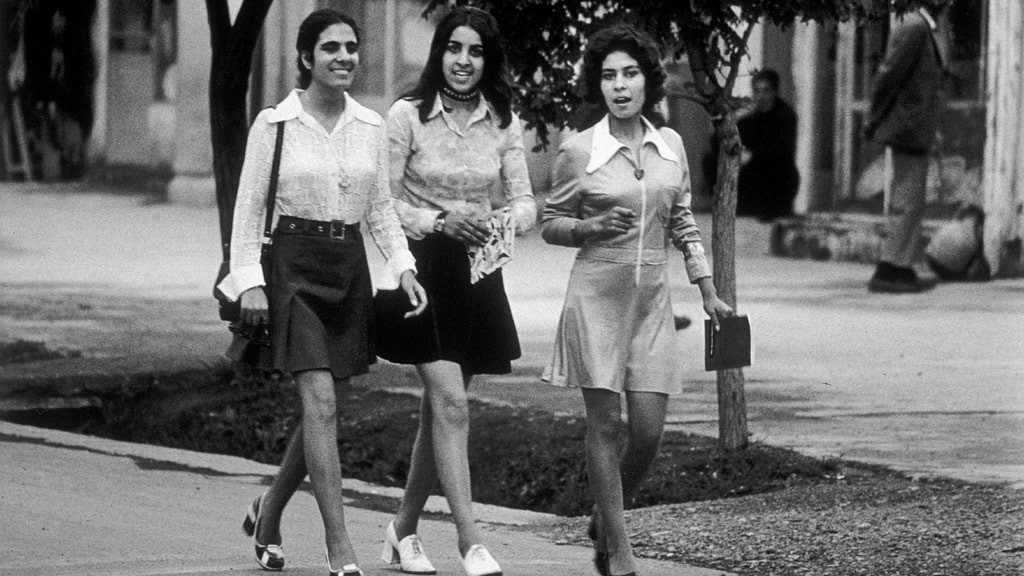
Regarding the power of images: a case study from Afghanistan
Photography is considered the art of portraying reality. A shot can define a portion of space, capture movements and people and at the same time contain emotions, expectations, intentions. But what reality are we talking about? Indeed, if it is true that photography is a form of art, we must start from the assumption that the artist’s vision is unique and particular. The idea lies precisely in deciding which subject to portray, and which message to associate to the image. This is the case of the picture taken by photographer Laurence Brun. It is 1972, we are in Kabul, Afghanistan, in the Shahr-e