
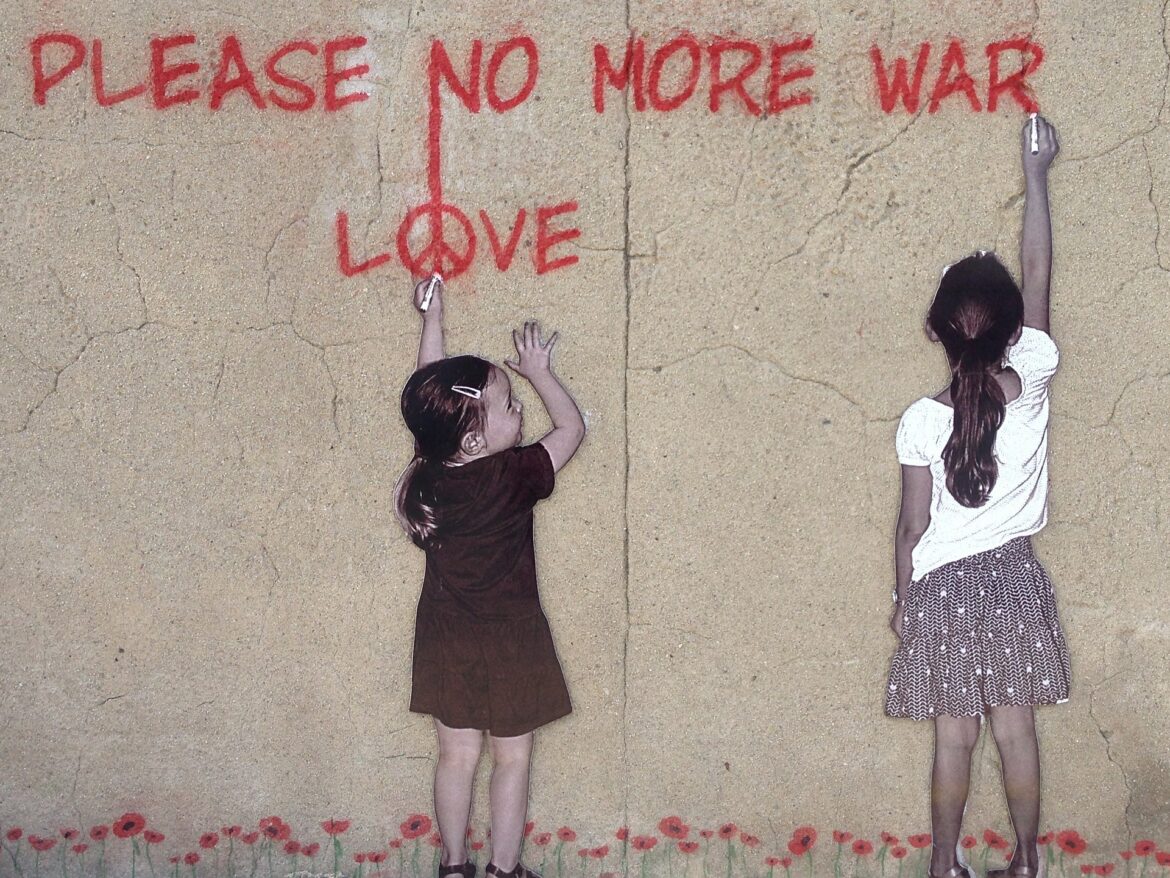
As war keeps on changing, even the concept of peace is evolving. Peace today has not one, but two distinct definitions: Negative Peace Positive Peace Negative Peace is the absence of violence and it fails to capture a society’s stability and harmony. Positive Peace, on the other hand, is defined as “the attitudes, institutions and structures that create and sustain peaceful societies”, and it is achieved through sustainable investments in economic development and institutions as well as societal attitudes that foster peace. Positive Peace a ‘transformational concept’ as it does not focus on the negative conditions to avoid peace, but instead it
Tag: Positive Peace
The Cost of War, Peace and Covid
Covid-19 has seen the world change. Countries were plunged into recessions, many people found themselves losing family breadwinners and business owners were left unable to continue their trade for months on end. This has had a devastating impact and governments have scrambled to kickstart their economies and protect their citizens. The scale of the crisis and the ongoing effects is a reminder of the worldwide chaos that can erupt at any point, costing millions of lives and the need for governments to invest in healthcare and contingency plans. It’s become more crucial than ever to analyse the cost of war
John Galtung and his work
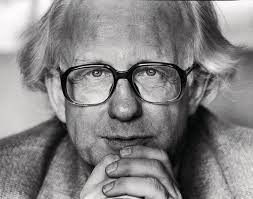
“Peace appeals to the hearts – studies to the brain. Both are needed, indeed indispensable. But equally indispensable is a valid link between brain and heart.” Johan Galtung (Oslo, 1930) is a sociologist and is widely considered the founder of Peace Studies, being the first one to launch it as a field of inquiry. Holding both a PhD in Mathematics and one in Sociology, his family heavily influenced his academic path. Especially his father – a multi-faceted professional with a background at the Military Academy, a degree in Medicine and a wide knowledge of Political Economy – and his mother who

Negative peace… Positive peace…
The smoke is clearing, the fires have been put out. There are no guns firing in the background, no bombs that loudly explode somewhere near. The opposing forces have made an agreement to lay their weapons down and stop the violence for now, – the physical violence that is. They call it a peace treaty when they lay down their weapons and stops the bombing. Is it peace though – after wars have come to an end, or is temporarily stopped? Many people stand back without housing, without proper healthcare or school systems. The opportunities to get jobs are few
Positive peace and the rise of populism in Europe
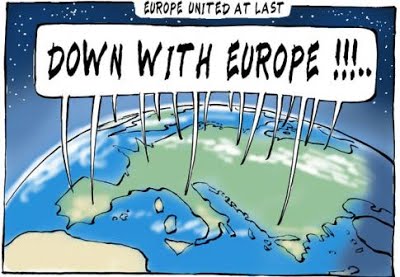
Political scientist and professor Peter Taggart have lately said that populism is “one of the most widely used but poorly understood political concepts of our time” [1]. Populism by definition is an ideology that has at its core the creation of an “us vs them” mentality, thus dividing the political discourse. “Us” being the people, seen as the morally and ethically superior force to “them”, the elite, portrayed as corrupt, egotistical and deceptive. Populist leaders carefully pick their side, their people, along the lines of class, ethnicity or nationality and oppose them to the carefully engineered idea of the homogeneous

Peace for the people
“Professor Johan Galtung […] explained that the concept of peace can be categorized into two types: negative and positive. Negative peace is a simple absence of direct violence, whereas positive peace seeks out and resolves structural causes of conflict. Feelings of mutual hostility are the greatest cause of conflict. Above all, we will be able to find out and resolve structural conflicts when we understand one another through exchanges and cooperation.”[1] These words are part of North Korean President Moon Jae-In’s discourse during a forum held at the University of Oslo later this year. During his speech titled “Peace for

Live long and prosper: star trek’s approach to positive peace
Is there a society where conflicts are always managed in a peaceful way, where humans can live without the struggle for food and water, where diversity is not feared but it is always looked with interest. Discover the universe it is their main target, basic needs are within everyone’s reach, money does not measure the value of a person because there’s none. Gender role is abolished, women and men seat together as equals, racism it is not even considered by humanity that embraced space travels and has to face diversity in outer space. Meeting new species and civilizations requires an open