
The term deep fake is commonly referred to as a video in which a person’s face has been convincingly replaced by a computer-generated face. Deepfakes came to prominence, with the spread of the internet, in 2017 through the online community called “deepfakes” on Reddit, whose members began sharing pornographic videos that appeared to feature famous female celebrities. Deep fakes are the most important and well-known form of what is called “synthetic media”: Images; Sounds; Videos; That appear to have been created by traditional means but which were actually built by complex software, which will be analyzed later in this article.
Tag: Deep fake

Why do we need fact-checking and watchdog
Citizens and Investigative Journalism: Why do we need a process to check the news? A world without any kind of “mediation”, like the one we live in, is pressing the growth and proliferation of self-referential and the desire to be the protagonist. Everywhere, in the digital world, we find data science wizards who, with great skill, flaunt their work as internet professionals and crossing tweets and news found online, randomly draw definitive conclusions with a strong narrative impact to fuel their business. The same is true for the new professions of the first twenty years of the year 2000: opinion

Malaria Must Die
Have you ever come across a video in which Nicholas Cage with letdown long blonde hair was singing “I Will Survive” by Gloria Gaynor? Or, have you ever bumped into the Basic Instinct interrogatory scene that made cinema history? Except for the fact that in that case, you were probably looking in horror at Steve Buscemi traits over imposed to the face of the busty Catherine Thramell instead of Sharon Stone’s ones. Did it creep you out? Speaking in all honesty, it gave me nightmares for days. Now I have to admit that I’ll probably have a hard time watching
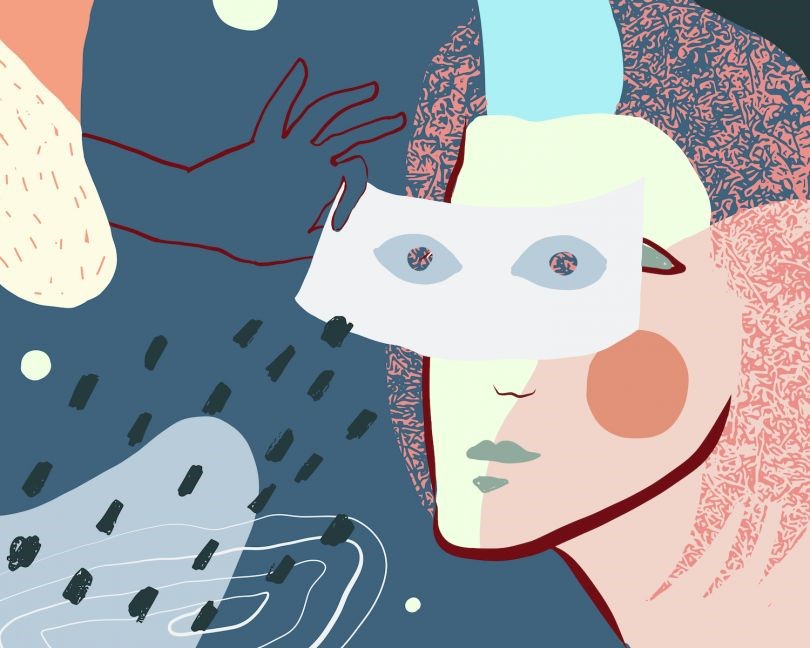
How deepfakes are shaping our online reality
A few years ago, the idea of fake was probably associated with the way in which people modelled their image in the real world. Today, the spread of the internet and the ability to easily create and post content makes the concept of “fake” much more related to the digital world. In particular, deepfakes are increasingly widespread and considered in the digital world, both for their possible positive uses and for those, unfortunately, manipulative. Deepfake is a new generation term, which indicates a particular technique for processing images from videos and photos. It is an algorithm based on artificial intelligence that is
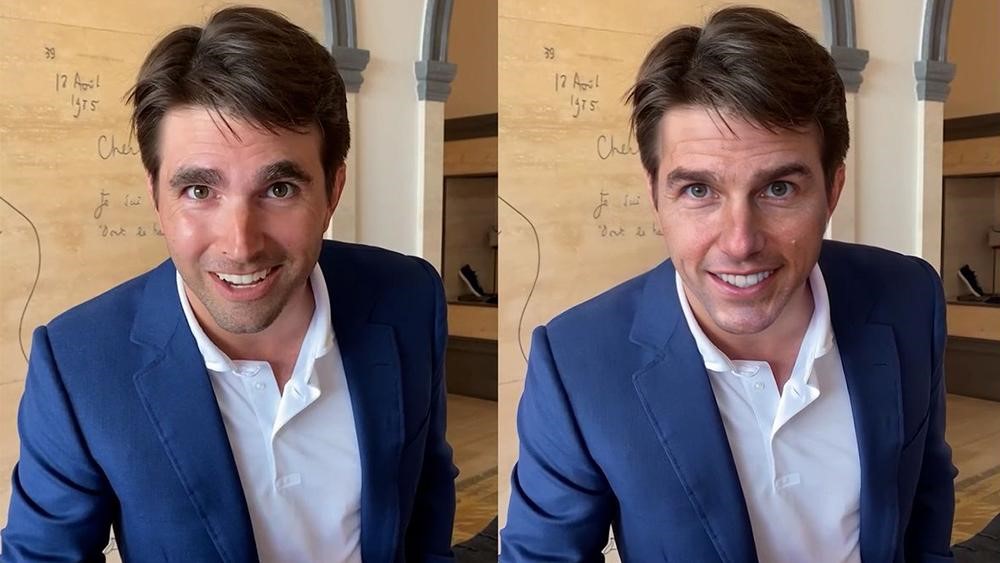
Deepfake: The Information Boogeyman
The line between reality and simulation is becoming increasingly curtailed when it comes to media outlets. Speaking of false audiovisuals at a time in which we are still learning to deal with fake news is adding a seemingly innocuous reagent to a potentially harmful reactive mixture. I see two hypothetical polarised outcomes spanning from such a reaction. Either we obtain products of interest, such as computer-generated characters for cinematic purposes or voice clones to restore people’s voices when they lose them to disease, or we generate a catastrophic explosion by creating authentic vectors of disinformation. Deepfakes are the most well-known
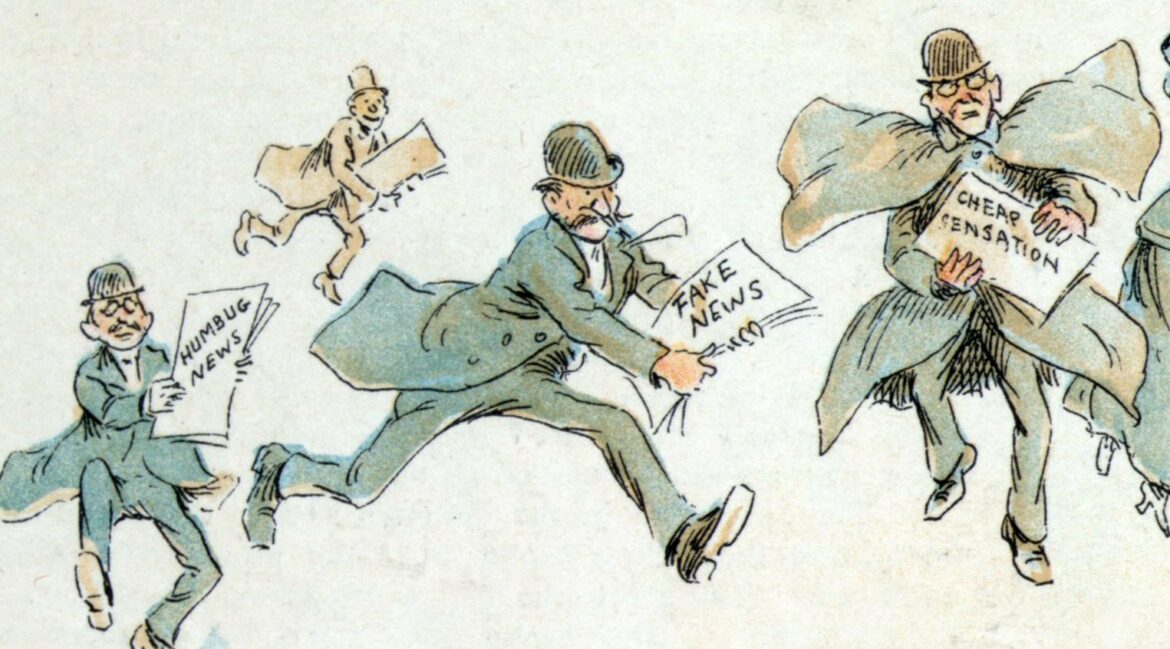
Understanding fake news
“The age of post-truth stretches as far back as you care to look, there never has been a golden age of transparency”, said Steven Poole in one of its most recent pieces in The Guardian, illustrating the vast history behind the infamous expression (1). Fake news is nowadays hijacked and repurposed term but its semantics are widespread in both space and time. The first well-documented narrative mentioning published non-factual information dates back to 36 BC when Octavian, adoptive son of Julius Caesar, launched a campaign to downplay Marcus Antonius, Roman politician and general, claiming he didn’t respect traditional Roman values

History of fake news
Donald Trump, Cleopatra and her lover Marco Antonio, the monsters on the Moon: the minestrone (vegetables soup) of the Fake News. The point of departure and arrival of this article, but also of the society in which we live, is the importance of truth. No news or false news in a democracy can be extremely pernicious, since at the basis of the deep concept of democracy there is the sovereignty of the people and the relationship between government and people: this relationship not only takes place through information but is also shaped by the latter. As for the origin of the word

Tracing back: history of fake news
Source: ReKnew While some scholars have tried to identify the historical origins of fake news, resulting in various versions on the topic, the truth is that fake news has probably been around for as long as humans have lived in groups. In fact, before the invention of the press, stories were transferred from mouth to mouth, inevitably changing their connotation due to interpretation differences and understanding issues. On the other hand, groups normally present internal and external power dynamics which often lead to the creation of fake stories made up in order to discredit a member of the group or external rivals.