A peaceful world can often look like an impossible dream. Especially lately. We may feel overwhelmed, helpless, and powerless when we read news about what is happening in the world. However, every day there are people that reject these feelings and actions. They decide to take actual steps towards peace and do something tangible to help heal the world. Johan Galtung is one of these people. Johan Galtung is a Norwegian sociologist and mathematician, born in Oslo in 1930, son of a doctor and a nurse. He is known to be the father of peace studies, having founded the Peace
Author: idareteam

Positive Peace, what is it?
Peace has been a condition of survival for humans throughout time. In times of war, it is not possible to achieve the levels of cooperation for countries to solve challenges, and live in a safe and harmonious environment. According to the Institute for Economics & Peace, we need an understanding of the conditions that create and sustain peaceful societies, otherwise, it will not be possible to develop policies or understand the resources required to build peaceful societies. The reality is that many countries in the 21st century that find themselves in war do so because of external interference motivated by
Understanding Intersectionality
Exploring the word, its meaning, and its impact on the world. We live in an exceptional historical moment, characterised by so much violence, conflict, and social challenges but, for the first time, also characterised by awareness, unity, and desire for change. In this climate, the word Intersectionality is becoming more and more frequent in so many contexts: there are plenty of articles about it, videos, podcasts, books, interviews; young activists talk about it in tweets and posts on their social media, the conversation about it is getting bigger and bigger. But what does Intersectionality really mean? And why does this word
Johan Galtung – The Father of Peace Studies
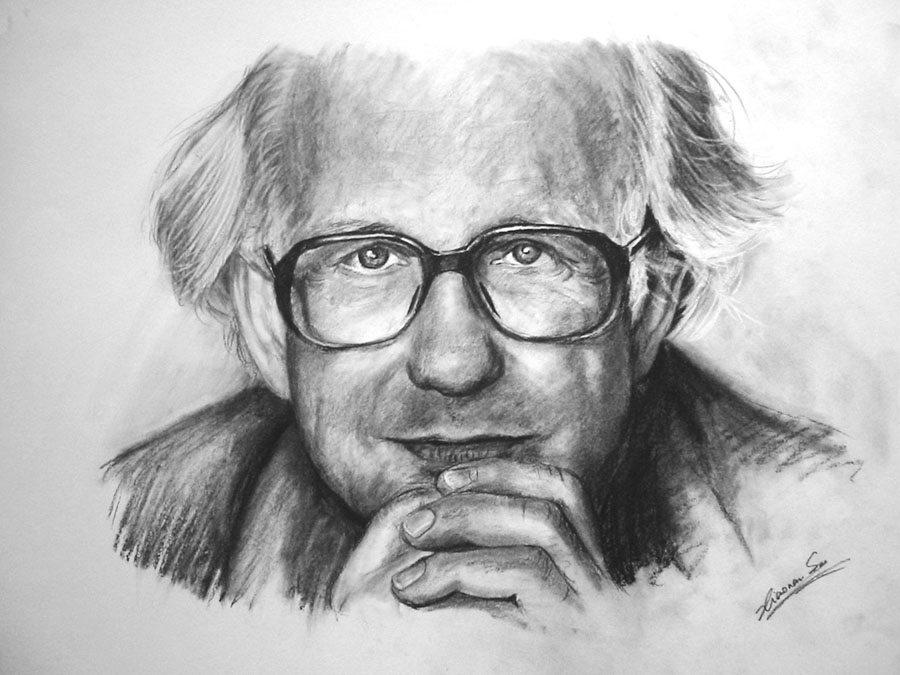
Johan Galtung born in Oslo on October 24, 1930, is a Norwegian sociologist and mathematician. In 1959 he founded the Oslo Peace Research Institute (PRIO) followed with the Journal of Peace Research in 1964. Being one of the fathers of peace research/studies international institutions often turn to him for technical advice on conflict mediation due to his works accumulating in around 160 books and more than 1600 academic articles. Since the start of his career in 1957, he has personally mediated in more than 150 conflicts between states, nations, religions, civilisations, communities, and individuals. In addition, he has received more
The Father of Peace Studies
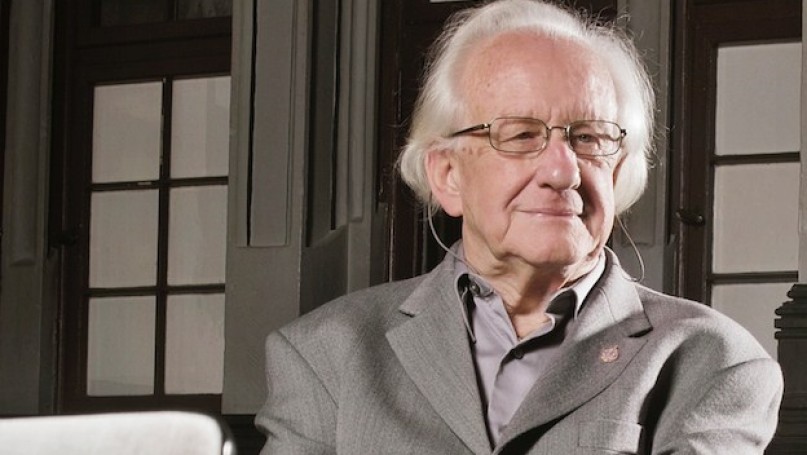
In 1930, an individual born in Oslo, Norway, would go on to lead the academic field of peace and conflict studies, writing over 160 books and publishing 1,600 articles. His name is John Gualtung and is renowned as the ‘Father of Peace Studies’. During the midst of the Cold War on the year the Vietnam War started in 1958, Gualtung founded the Peace Research Institute Oslo (PRIO). This was the first peace institute in the world and remains as Norway’s only leading research facility in the field of international peace studies. Most recent publications produced by the PRIO include Putin’s war

Intersectionality
“Intersectionality is a lens through which you can see where power comes and collides, where it interlocks and intersects”, Kimberlè Crenshaw In recent years there has been much discussion about the impact that racial, gender-based and class-based discrimination and discriminatory practices have on society. According to Dr. Kimberlè Crenshaw, a pioneering scholar and writer on civil rights who coined the term intersectionality, we can define it as the complex, cumulative way in which the effects of multiple forms of discrimination combine in the experience of marginalized individuals or groups. Crenshaw laid out her theory of intersectionality for the first time
What’s the difference between Iceland and Afghanistan?
Many differences can be drawn between the two states of Iceland and Afghanistan. Iceland, a largely Christian island has a population of 366 Thousand. It’s known for its northern lights, volcanos and hot springs. Afghanistan on the other hand, is landlocked, with a population of 38.93 Million and famous for its beautiful mountains, pomegranates and regrettably, war. According to the Institute for Economics & Peace’s Global Peace Index, Iceland ranks as the most peaceful country in the world, and Afghanistan the least. The Global Peace Index (GPI) is a report produced by the Institute which measures the relative position of nations’ and
Re-skilling & Up-skilling In The Evolving Online Workplace
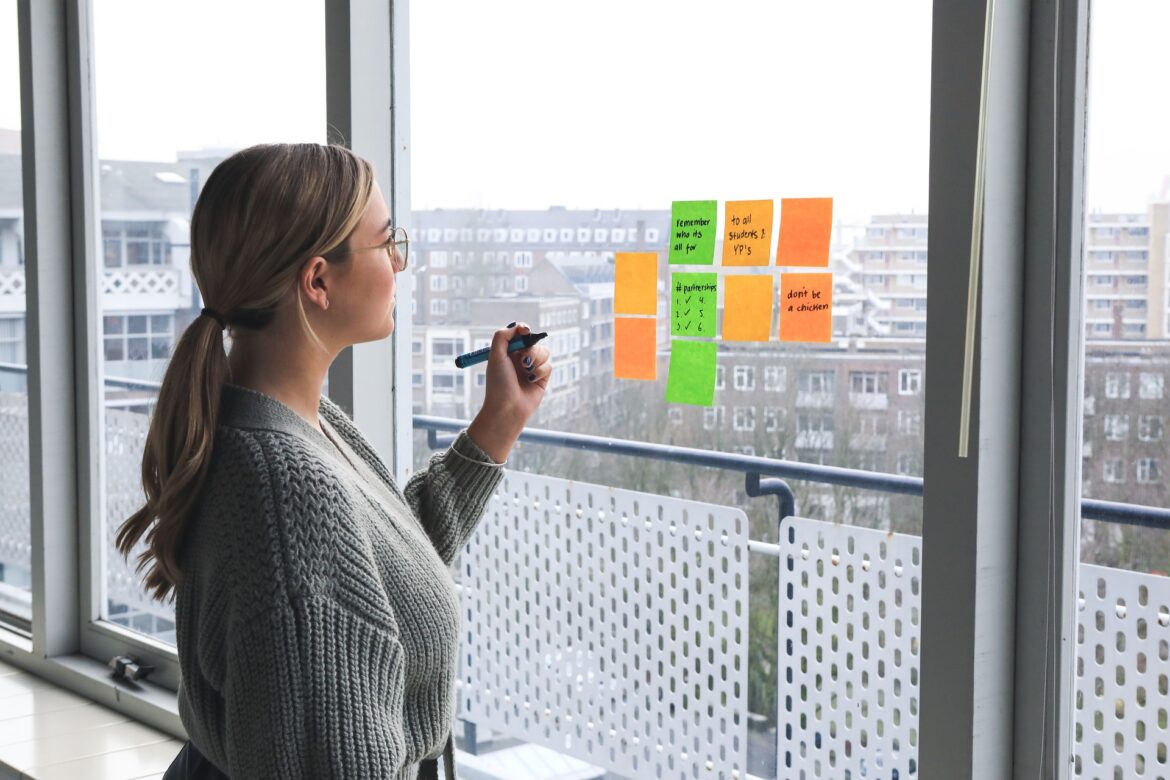
Digitalisation, robotisation, automation, sustainability, diversity and remote. COVID-19 has acted as a catalyst for a new environment that forces companies to abandon outdated functions and update their workforce through training.Between 75 and 375 million workers (3% to 14% of the global workforce) will need to change their occupational category by 2030 due to automation, artificial intelligence and digitalisation. Hence, concepts such as ‘re-skilling’ and ‘up-skilling’, which have always existed in the company, take on special importance. In the last year, the term ‘re-skilling’ has gained strength, a word that encompasses the continuous process of recycling skills and knowledge that we

The new world of work requires reskilling and upskilling
In recent years, the job market has changed exponentially. The New York Times recently reported that the trend of automation has increased, particularly as businesses navigate the uncertain and challenging economic landscape caused by the effects of the global pandemic. As the human race were unable to convene in the workplace as usual, employers and business owners sought to find new ways of working. Combined with minimum wage increases and the current difficulty in finding quality workers to begin with, it seems like an increase in automation is the effective way for businesses to try to meet demand and lower costs in the post-pandemic economy. It

Characterising the Notion of Positive Peace
Just as ‘peace education’ was born in the 1920s as a reaction to the destruction and death caused during the First World War, in turn ‘peace research’ emerged in the 1950s as a response to the consequences of World War II. It seems that the horror of the greatest genocide in history, and the death and desolation caused by the atomic bomb, had to come before humanity desperately sought a definitive solution to the recurring problem of the violence of war. The first investigations appeared in the United States with the publication of the Journal of Conflict Resolution (1957) and

Do emotions and memories of society members matter?
There is a continuous cycle between emotions and memory which continues to form and shape future beliefs, perceptions, and actions. By understanding this cycle at a deeper level, it provides the opportunity to understand how citizens are always drawing upon memories and the emotions which ground the memory to shape present and future interactions. Through understanding this cycle and the longevity of meaning to which memories play, members of Civil Society can be better informed on how their actions now are creating the memories which will set the agenda for years to come with citizens. To understand this cycle, it
An overview of global peace and unrest during the Covid-19 pandemic
The 15th edition of the annual Global Peace Index report, the world’s leading measure of this study, revealed that in 2021 the average level of world peace deteriorated for the ninth time in 13 years. In total, 86 countries improved their peace in the report, while 75 deteriorated. Rising civil unrest was identified as an emerging risk factor, with riots, general strikes and anti-government demonstrations escalating substantially since 2011. On top of this COVID-19 research provides an insight of a world that faces higher risks in most GPI measures, due to the emerging economic crisis, which is projected to be the

Young People’s Response to the Peace Index 2022
In the last blog posts, we introduced the Institute for Economics and Peace (IEP)’s Positive Peace Report 2022. Our work at IDare is founded on the belief that when young women and men have their potential for transformation activated, they become a critical factor not only in changing their own world but in global stability now and into the future. Therefore, this week we are taking a closer look at one of the Positive Peace Report’s indicators of Positive Peace, namely: Life Satisfaction. Specifically looking at satisfaction by age and gender. Life Satisfaction The IEP rely upon 24 indicators which
Most and least peaceful countries of the world
“The average level of global peacefulness deteriorated by 0.07 per cent in the 2021 Global Peace Index. Although a relatively small deterioration, this is the ninth time in the last 13 years that global peacefulness has deteriorated.” In this article, we will summarize the data reported in the 15th edition of the Global Peace Index report (GPI) drafted by the Institute for Economics & Peace (IEP). The aim of the GPI is to highlight the improvements and the deteriorations in peacefulness, ranking 163 independent states and territories. They used 23 qualitative and quantitative indicators from reliable sources, and the state of
Global peace index: best and worst scores
What makes a country peaceful? What threatens its peacefulness? After last week’s insight on the Global Peace Index and how it works, this week we will examine the countries with the highest and lowest scores and the reasons behind such numbers. For the thirteenth year in a row, Iceland remains in first position, representing a model to look up to for everyone. It obtained a general score of 1.1, with scores below 2 for each one of the 23 indicators. For example, it scores 1 in Militarisation, as it does not have a standing army: not even members of the police
An Introduction to the Creative and Cultural Industries in the UK before COVID
Introduction to the Creative and Cultural Industries The creative and cultural industries (CCIs) have existed as long as humanity itself. They provide a means for societies to express and entertain themselves. Nowadays the CCIs- advertising, architecture, the visual art, crafts, fashion and textiles, design, performing arts, music, photography, film and video, computer games, radio and TV, writing and publishing, heritage, software/electronic publishing and cultural education- are recognised for their economic importance and cultural significance. Philosophers and sociologists, Theodor Adorno and Max Horkheimer coined the term cultural industries in 1944, in their prose, “Culture Industry: Enlightenment as Mass Deception”. Here they argued
Reality of social media
As the use of social networks increases, they generate a virtual reality. This means of communication, in turn, generates digital identities, giving rise to a public digital area. In this sense, social networks cannot be isolated from socio-political reality. Social networks have reached such a point that they can establish the political agenda. Tech companies have begun to behave like states and yearn to become “governments without voters.” Social media platforms are far from reinforcing democracy. Instead, what they do is give examples of digital fascism with countries such as Turkey being one of the main victims of this. The socio-political

Filter bubble
Whilst scrolling either through your personal various social media platforms, you may feel reassuringly confident that most of the online community agrees with your views, based merely by certain news article feeds or discussions within your own social circle. Yet we really should be questioning ourselves on whether this is a true reflection of society in the real world. When we meet people through all walks of life, it soon becomes evident that society overall is rarely unanimous with debate and that opinion, is the corner stone of a democratic society. It was not really until the unexpected results in

Financial Implications of War and Peace in The Middle East
The geopolitical scenario of the Middle East has undergone significant rearrangements since the end of the 20th century. The Gulf War, the aggression against Iraq and the crisis scenarios derived from the failed democratisation processes are among the most noteworthy events. Coupled with a prominent militarisation of the area alongside the US this reflects the growing importance of security in regional politics. Since the early 1990s, several countries in the region, notably Gulf monarchies embarked on an arms race to strengthen their individual military capabilities due to an unfeasible regional system of collective security throughout the Pan-Arab region. The sustained
The Cost of War, Peace and Covid
Covid-19 has seen the world change. Countries were plunged into recessions, many people found themselves losing family breadwinners and business owners were left unable to continue their trade for months on end. This has had a devastating impact and governments have scrambled to kickstart their economies and protect their citizens. The scale of the crisis and the ongoing effects is a reminder of the worldwide chaos that can erupt at any point, costing millions of lives and the need for governments to invest in healthcare and contingency plans. It’s become more crucial than ever to analyse the cost of war
Are we losing our critical thinking skills?
Data from Backlingo shows that globally, the average time a person spends on social media a day is 2 hours 24 minutes. 4.48 billion people currently use social media worldwide, which has more than doubled from 2.07 billion since 2015. In a world where we are spending more and more time on the internet, being influenced by algorithms and targeted ads, what does this mean for our ability to form our own opinions based on rational and logic?. Critical thinking is a skill of analysis by using available facts, evidence, observations, and arguments to form an informed and balanced judgment. Integral

CCIs in Jordan article
As advanced economies across the world have witnessed a move away from manufacturing industries in the last three decades, the Creative and Cultural Industries have become an emerging part of the knowledge economy. Creative industries provide new opportunities for developing countries to be part of high-growth areas of the world economy in a contemporary world dominated by images, sounds, texts and symbols. Jordan has limited natural resources such as oil and minerals and has very few strengths in manufacturing. Therefore, its main opportunities for becoming competitive within the world economy lie within its knowledge-based industries. Overview of CCIs in Jordan
Is peace a prerequisite?
“Peace is the prerequisite for the survival of humanity in the 21st century. In a perfectly peaceful world, there would be no costs from violence and no need for prevention through military spending.” That is what the Institute for Economics and Peace, IEP, stated in its reports on the economic value of peace. As we unfortunately know, we are not living in a perfectly peaceful world and the costs of the war, both direct and indirect ones, are too many and they include military spending. Of course many of the resources provided for military spending could be redistributed to more productive parts
Global peace index
War and peace have always been forces capable of changing the way we perceive the world. Through the centuries, wars have destroyed countries, created new ones, moved borders, divided or united people. They have shaped governments, politics, societies, and individuals. On the other hand, peace determines our wellbeing, the way we interact with other people, and it also plays a role in a country’s welfare and its relations with other countries. For these reasons, an analysis of how these forces move our world is crucially important. The Institute of Economics and Peace (IEP) has been trying to do so since
The Cost of Peace and War
Sometimes, it can feel as though the notion and very concept of peace, is intangible and something outside of our comprehension. What does peace mean? What does peace in society look like?. The Institute for Economics and Peace (IEP) uses data driven research to show that peace is a positive, tangible and achievable measure of human well-being and development. In this article, we will be looking at IEP’s Positive Peace Report for 2022 to understand what they think are the key factors that build, predict and sustain peace this year. In the setting of a new coronavirus variant, omicron, which is seeing
Cyberbullying, the Risk Factors
What is cyberbullying and why is it dangerous? In the age of social media, cyberbullying is of serious concern for youth, as traditional in person bullying has another outlet online. Online platforms such as Wikipedia were launched in 2001, Facebook in 2004 and Twitter in 2005. By 2006 Cyberbullying was described as concerning as offline bullying (Patchin and Hinduja, 2006). Cyberbullying has a more dangerous element in that it can be conducted anonymously, meaning that exposing the culprit can be challenging. The term cyberbullying refers to ‘verbal aggression, hostility, and other attempts to cause harm in online communications and encompasses
Cybersecurity and safety on the internet: best practices
With the increased interconnection in the digital world, the issue of security acquires an ever greater weight. In this case, we talk about cybersecurity. In fact, on the Internet there are always new dangers that represent a threat to companies and individuals. The topic is therefore urgent as never before and does not only concern Internet security, but also other aspects and sectors of Information Technology (IT). ENISA (European Union Agency for Cybersecurity) used Maslow’s famous pyramid of needs, conceived in the psychological field as a motivational model of human development based on a hierarchy of needs, to conceptualize cyberspace protection
Unleashing narratives: the importance of local partners in investigative journalism
News addresses a number of topics of overriding importance. One of these is climate change and its consequences on the planet. Much has been said in recent years: myriads of investigative content have been produced by the most renowned newspapers, holding multinational corporations accountable and pushing governments to take direct and effective action; at the same time, the need of civil society to fight and implement good practices to prevent disastrous consequences is ever stronger. Despite the needed push to call for actions carried out by activists and journalists, the voices of those most affected by these global phenomena are often lacking
How much privacy is enough privacy?
Personal data is the motor of many businesses in the Internet age. Information analysis enables targeted advertising, improving services, producing new goods, and recognizing market demands for everyone. According to an European Union (EU) survey, the majority of individuals are worried about their privacy and how their data is utilized (1). However, concern does not always imply caution. Let’s see why. More than 60% of EU citizens consider it is acceptable that their online activity is monitored in exchange for free access to a website or that companies share their information without any consent (1). It is also more a
How to protect our privacy on the Internet
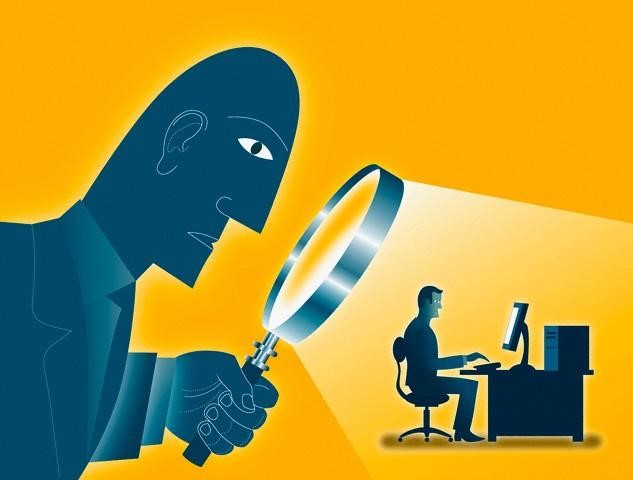
Since its inception, the Internet has been designed to allow us to exchange and share data. In this sense, accessing a website is a way to receive information, but also to provide it. Nowadays, thanks to the spread of the Internet, users can participate, interact and share large amounts of content and data. However, personal data are very valuable elements as they build our online profile, adding up day after day. For this reason, it is important to be aware of the useful ways to protect your data and, consequently, your online privacy. In fact, indiscriminately providing personal data on the Internet