
Conceptual framework and shared language The first session is dedicated to framing key societal concepts and agreeing on a comprehensive conceptual framework that serves as a shared reference for work and learning. This framing aims to build a common language that helps reduce ambiguity, enhance mutual understanding, and enable productive dialogue among actors with diverse backgrounds and experiences. The conceptual framework seeks to clarify core concepts and define their meanings as they are understood and practiced within the local context, thereby opening space for conscious intersections, contributing to the organization of dialogue, and guiding collective action. Through this initial agreement,
Author: Suha Ayyash
Experienced practitioner and expert in Social and Behavior Change (SBC). Committed to promoting positive behavioral change, understanding social norms and human behavior. Practicing and aim to mainstream design and system thinking in our communities. Through my expertise in SBC, I create programs that address the root causes of behaviors and inspire individuals to opt for making a more positive decisions.
With a particular focus on supporting youth, promoting pluralism, and dialogue, I design and manage programs that strengthen community resilience and enrich the alternative narratives. My work involves utilizing non-formal learning methodologies to design training kits and pedagogies that promote life-long learning in areas such as digital resilience, media literacy, prevention of violent extremism, prevention of hate speech, among other thematic areas. I am experimenting with transcendent approach within peace-building and mediation, I believe in fostering a more inclusive and collaborative approach to resolving conflicts and promoting positive and sustainable peace.
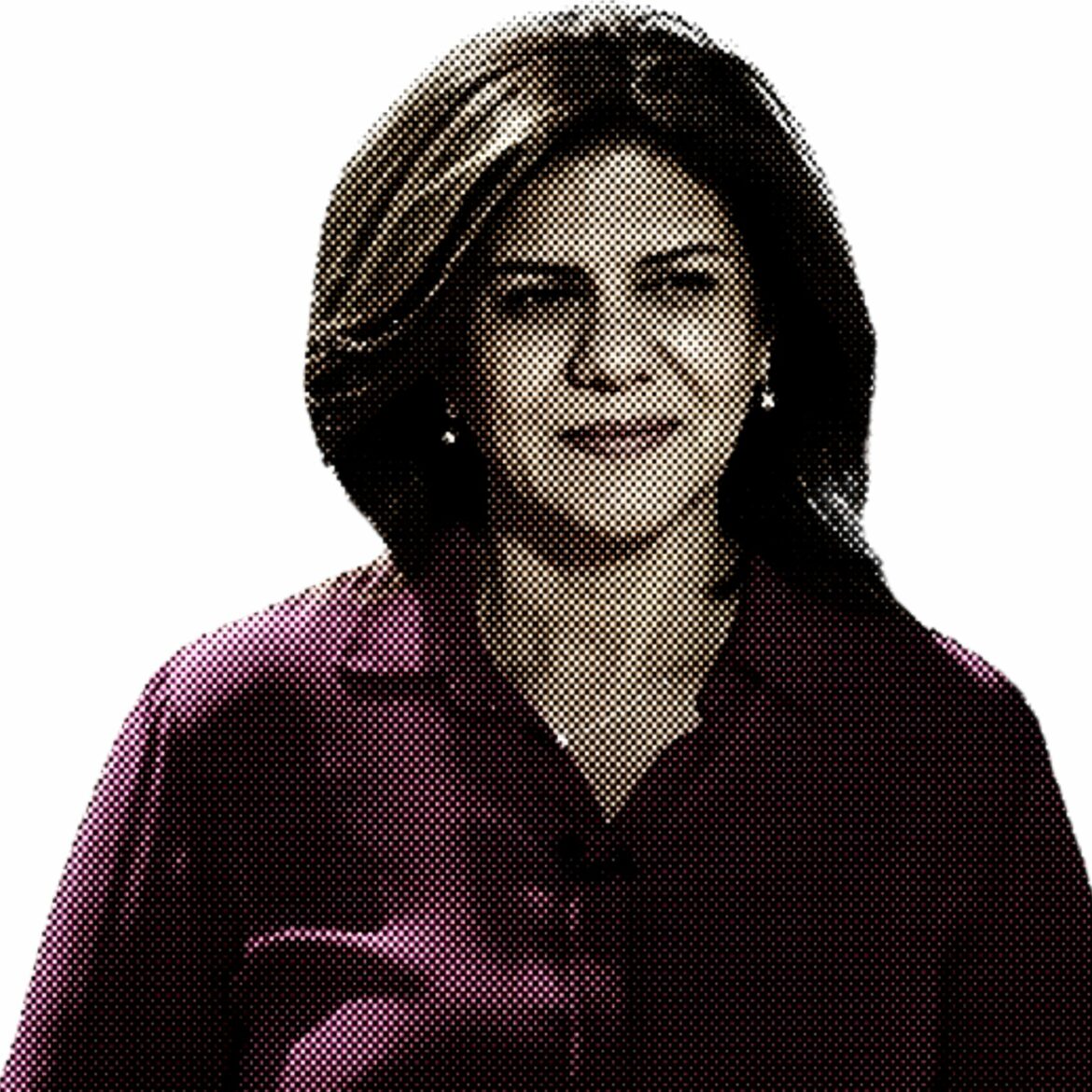
Forms of digital resistance: praxists acts of liberation
It has been almost eighteen months since the Israeli military aggression started on the Gaza Strip, a city in occupied Palestine. The bombardment was resumed after the “ceasefire” breaking in the last weeks. As I am scrolling through the ‘global’ news, the relentless flow of official statements, repetitive international condemnations, and haunting statistics, is what keeps on reappearing to sort of remind humanity of its helplessness and staying as a mere spectator behind the mobile screen. Many of us feel paralysed, burdened with guilt and frustration, as we bear witness to Gaza’s overwhelming devastation; its elders, mothers, children, and entire
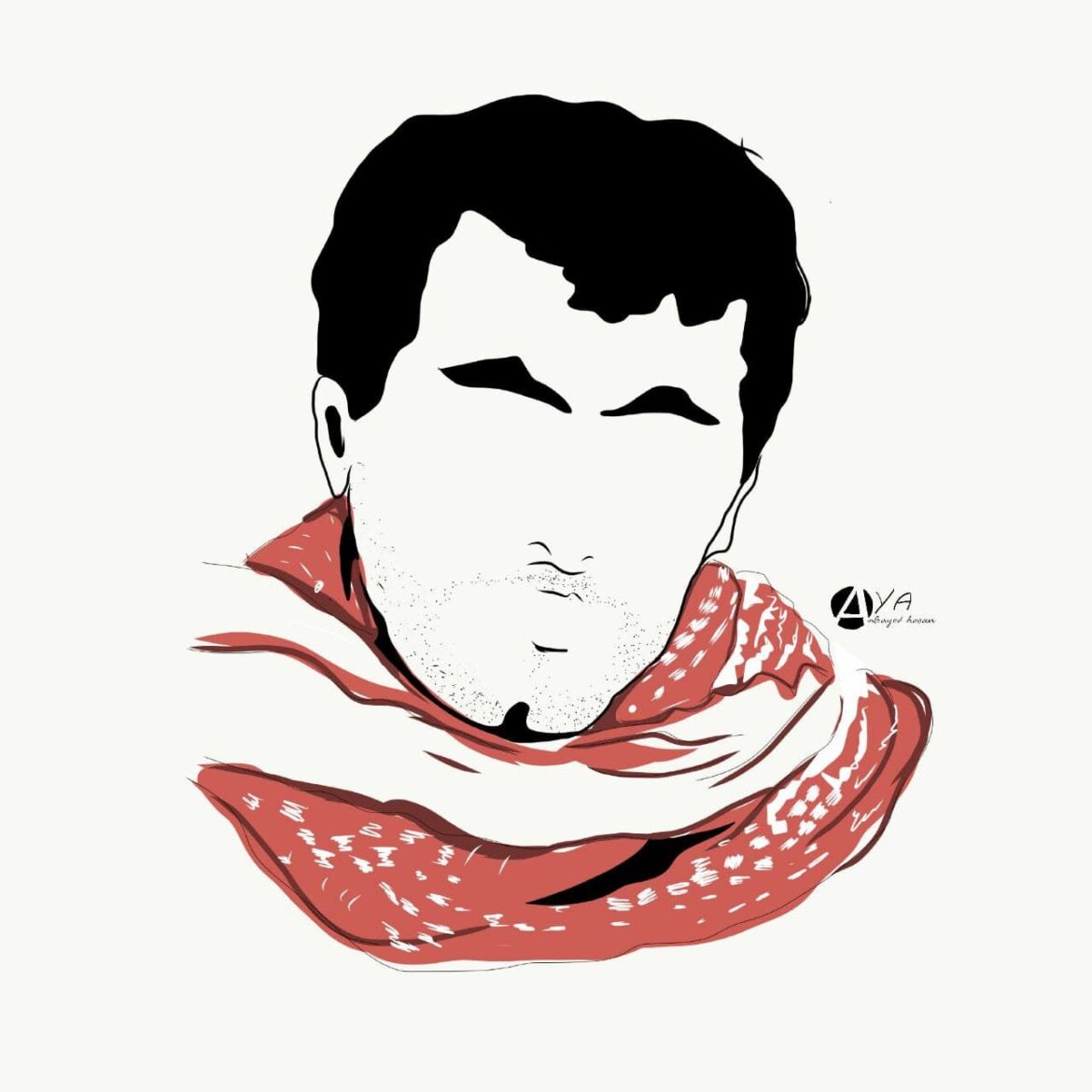
The information war front
While the Germans are still processing their own Guilt and learn this at school, the divide between the political class and the public discourse are growing. Germany is tightening up its laws related to what they call antisemitism and antiterrorism law, in addition to brutally suppressing and banning pro-Palestine demonstration and threatening with deportation to those who shows support to the resistance actions. As we are in 34 day of Israeli aggression on Gaza city in occupied Palestine, the trending #standwithpalestine hashtag on TikTok has over 1.4 billion views until now and it is expected to rise in the upcoming
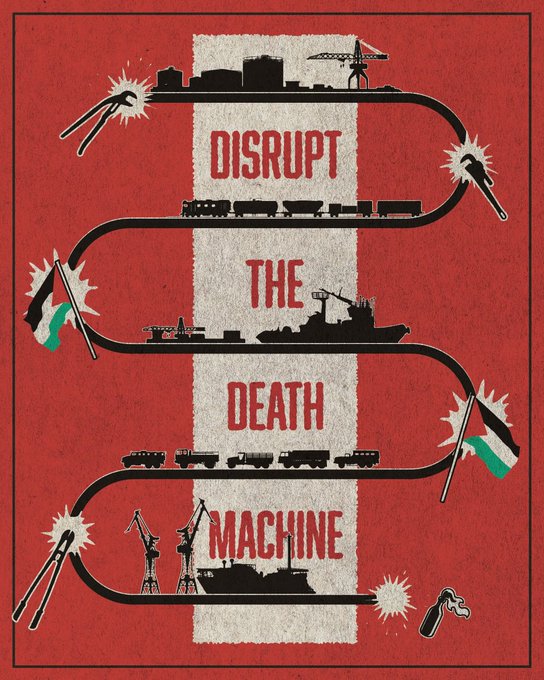
Nuclear bomb on Gaza!
“In a matter of hours, Israel carries out the bloodiest massacre in its history” 7 Nov. 2023, official statement by the Geneva based Euro-Med Human Rights Monitor. The UN High Commissioner for Human Rights, Volker Turk adopts Austria’s agenda, endorsing crimes in Gaza ahead of his visit to the Rafah crossing on 8 Nov. 2023. Today marks one month of Israeli aggression on Gaza since 7th Oct. 2023. This continuous Israeli military aggression on Gaza killed 10581 persons of which are 4412 children, 2761 women and 9641 civilians according to the latest stats for 31 days of aggression released
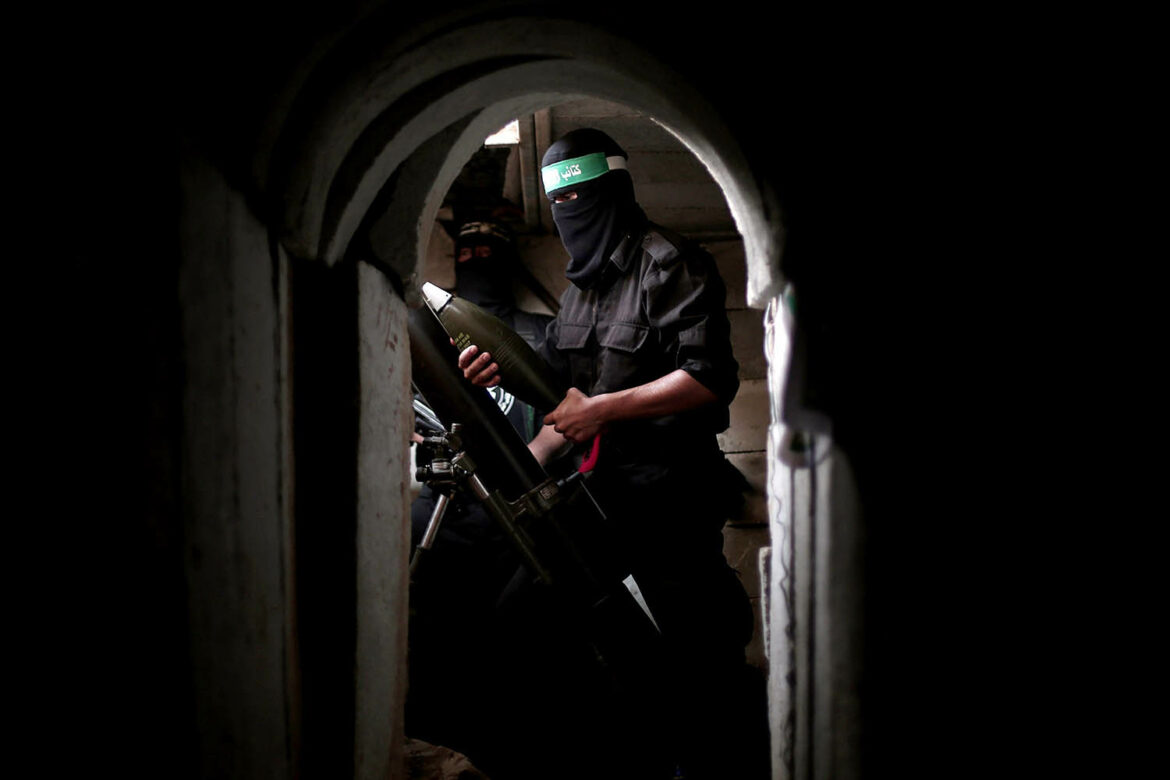
Intellectual autonomy and news literacy
Do not be fooled by what you see on the first pages or the top results when you use the centralized search engine looking for unbiased media outlets. Even you will find customized articles and blogs’ posts about who are the unbiased media or the neutral worldwide, too often legacy media outlet being reinforced over and over as the ultimate and only source for news and for shaping and often dictating our views around the local reality and world news. Which is also typical when you turn on the satellite, cable, or subscription-based TV, most probably you will get all
The atrocity of the Israeli aggression against Gaza
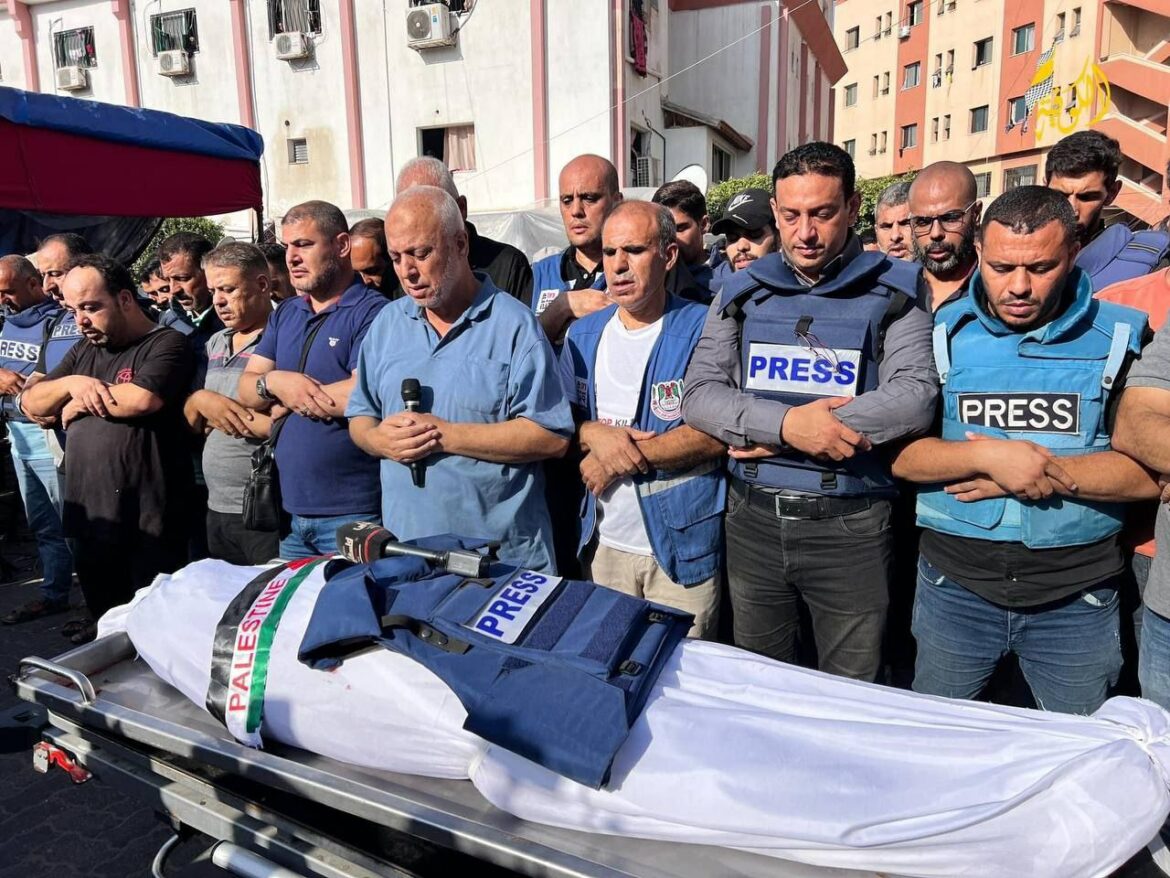
The images we are seeing on our screens of the current ongoing aggression against people in Gaza by the Israeli occupation military force will be printed in our memory for a long time. Unfiltered images of dead children, women and elderly being barely retrieved from under the rubble that appears directly on the live stream and posting are impacting larger segments of audiences around the world. Seeing on screens, the magnitude of the Israeli warfare, airstrikes and heavy bombardments that is continuing to its 28th day. The 9000 massacred civilians in what is being labelled as holocaust-genocide of the Israeli

White paper on Creative and Cultural Industries (CCI) in Jordan
Introduction Tashgeel Readiness IDare for Sustainable Development is a civil society organization actively involved in Jordan’s youth work sector. Since 2018, IDare has been supporting Jordan’s youth through our innovative initiative, C-Hub: Innovation and Creation. We firmly believe in the Creative and Cultural Industry’s potential to not only uncover opportunities for young people but also enable them to generate income and employment, guided by the principle of Tashgheel. Presently, Jordan’s creative and cultural landscape showcases a variety of initiatives yet lacks an official governing body or comprehensive structure to support the creative-cultural economy. This recognition came with Jordan’s Economic Modernization
Jordan economic modernization vision and CCI What Will Success Look Like in ten years?
Jordan Economic Modernization Vision The Jordan Economic Modernization Vision is guided by a resounding call for “A Better Future.” Rooted in two fundamental pillars, this vision propels the nation towards transformative growth. The first pillar, focused on accelerated economic expansion, seeks to tap into Jordan’s full economic potential, fostering leaps in growth and ushering in new job prospects over the next decade. This, accompanied by a steady increase in citizens’ per capita income, forms the core of these efforts. The second pillar, equally vital, is dedicated to improving the quality of life for all Jordanians, positioning the nation as a

Addressing the gap between Creative Individuals and Technical Experts in the Design Job Market
The issue: In the professional sphere, there appears to be a preference for machine-like individuals over creative minds. The term “machine-people” is used to describe those who possess technical proficiency in operating software but lack a deeper understanding of the scientific principles underpinning creation. This trend in the job market seems to favor the machine-oriented approach rather than valuing creative individuals who base their work on scientific knowledge. There is a pressing need to explore the designer and design market in a more elaborate manner. The problem lies in the educational system, particularly universities, which are failing to provide relevant scientific

Gig Economy and Web 3.0
Web 3.0 introduction Web 3.0 (this segment was presented by Eng. Layth Altarawneh), coined around 2014, represents a paradigm shift in the evolution of the internet. The key aspects of Web 3.0 as a decentralized and privacy-focused version of the web, built on blockchain technology. While Web 1.0 was characterized by static web pages and Web 2.0 introduced the interactive and social web we use today, Web 3.0 aims to address the centralization, data privacy, and security concerns prevalent in Web 2.0. At the heart of Web 3.0 is the blockchain, a decentralized network that operates on a peer-to-peer basis
Gig Economy and Web 3 reality and its relevance to the Creative and Cultural Industries in Jordan: Concept Note
The gig economy is a term used to describe the growing number of people who are working independently, often on a contract or freelance basis; temporary and part-time positions filled by independent contractors and freelancers. Web 0.3 is a term used to describe the third stage of the development of the World Wide Web, which is characterized by the rise of social media and other platforms that allow users to create and share content. Rebekah Bastian defined Web 3 in her article “2022 Prediction: The Influence Of Web3 On The Future Of Work published” in Forbes on 22 Dec. 2021 as
Women’s reality within the Creative and Cultural Industries (CCIs) outside Amman governorate and large cities
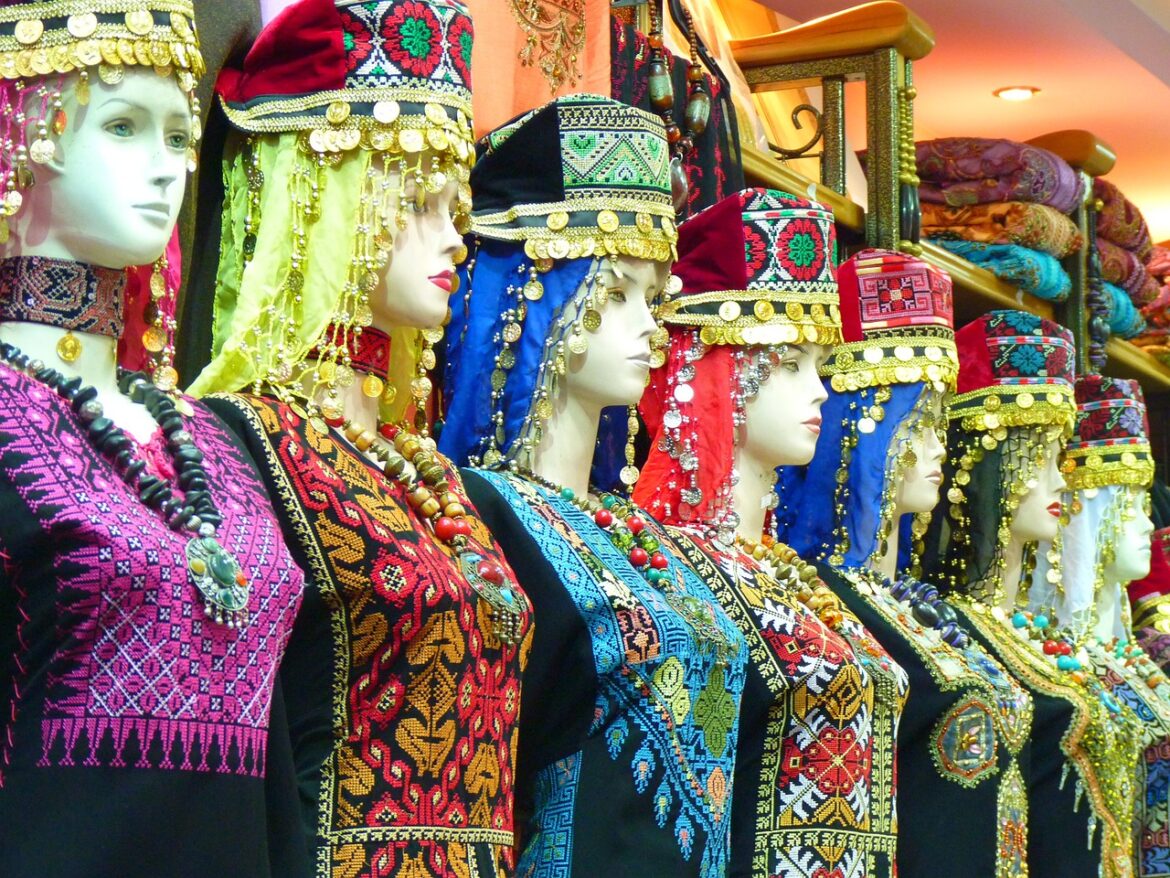
Mental Framing: In examining the reality of women within the CCIs outside major cities, it is essential to consider their access to resources, opportunities for skill development, and support systems that can empower them to participate and thrive in these industries. The following points are contributing factors to support women’s effective engagement within the Creative and Cultural Industries (CCI): Perception and Mindset: It is important to recognize that any contribution, no matter how small, within the CCIs is valuable to society. Ideas can start small but have the potential to grow into thriving industries. Defining an Industry: An industry is
Recognition of Creative and Cultural Industries (CCI) in Jordan
Introduction: The second Meet Up was held on 15 May 2023 in Amman with the presence of 30 actors from the creative and the cultural industries in Jordan including representatives from the Ministry of Culture and H.E. Haifa Alnajjar. The Jordanian Ministry of Culture refers to the UNESCO definition when referring to the Creative and Cultural Industries (CCI) which is the use of creativity and cultural expressions as primary inputs and have the potential to generate economic, social, and cultural benefits. They include a wide range of activities, such as: crafts and folk art, design, fashion, film, gastronomy, literature, music,
Cultural and Creative Industries (CCI) Ecosystem in Jordan
IDare Support CCI project: Since 2019, IDare for Sustainable Development has been collaborating with stakeholders and actors, including youth, to investigate how the Creative and Cultural Industry (CCI) can be used and appreciated. This undertaking has entailed convening two forums, one in 2019 and another in 2021, to unite pertinent stakeholders such as users, makers, suppliers, and other CCI players, including young people. The aim of these forums has been to foster dialogues on the significance of the CCI for practitioners, the actualities and obstacles of the sector, and the desired future trajectory for the industry, with the active participation

Creative and Cultural Industries ecosystem in Jordan
Introduction: Since 2019, IDare for Sustainable Development has been collaborating with stakeholders and actors, including youth, to investigate how the Creative and Cultural Industry (CCI) can be leveraged and appreciated. This undertaking has entailed convening two forums, one in 2019 and another in 2021, to unite pertinent stakeholders such as users, makers, suppliers, and other CCI players, including young people. The objective of these forums has been to foster dialogues on the significance of the CCI for practitioners, the actualities and obstacles of the sector, and the desired future trajectory for the industry, with the active participation of youth. In

Societal Consequences of Deepfake videos
This article explores the wider societal effects of deepfakes, looking specifically at the potential societal effects. It is essential to first define a deepfake. Deepfakes are defined by European Parliament as… ‘manipulated or synthetic audio or visual media that seem authentic, and which feature people that appear to say or do something they have never said or done, produced using artificial intelligence techniques, including machine learning and deep learning’ (EPRS 2021) Wahl-Jorgensen and Carlson further explain that… ‘The emergence of deepfakes results from recent technological developments in machine learning in which a program combines two distinct sets of images to

Fact checking
Starting from the assumption that “independence” is the very essence of information democracy, autonomy in judgments should be the first requirement of free information. But sometimes it happens that the information is produced by subjects (journalists, bloggers) who do “consultancy” activities or perform paid activities by institutions or companies which they then talk about in their articles, this implies conditioning of their actions /words. Even in journalistic ethics the theme of the mixture of advertising and information is present, but in the latter area it is more easily unmasked (journalists who advertise are sanctioned by the bodies to which they belong,

Deepfake
The term deep fake is commonly referred to as a video in which a person’s face has been convincingly replaced by a computer-generated face. Deepfakes came to prominence, with the spread of the internet, in 2017 through the online community called “deepfakes” on Reddit, whose members began sharing pornographic videos that appeared to feature famous female celebrities. Deep fakes are the most important and well-known form of what is called “synthetic media”: Images; Sounds; Videos; That appear to have been created by traditional means but which were actually built by complex software, which will be analyzed later in this article.

Since Emile Zola’s famous “J’accuse”, political journalism has tried to play the role of safeguarder of the public interest. However, with the advent of digital technology and social media, tables turned to make it necessary to develop new skills and a new mental framework to approach this matter. Zola’s famous “J’accuse” on the Dreyfus affair or the infamous Watergate scandal that led to Richard Nixon impeachment are just a couple of the most prominent cases in which political journalism played the role of “Fourth Power” meaning that of overseer of the legislative, executive and judicial power. The engaged, hard-hitting

Gender Based Doxxing and Swatting
Introduction Doxxing is shorthand for ‘dropping documents’ and is ascribed to a phenomenon where a person’s private information is released publicly. Shockingly, a 2016 study by CIPHR found that, on average, 30% of Americans over the age of fifteen have experienced an invasion of privacy (Lenhart et al., 2016). This included ‘being hacked, having information about or images of the person exposed online without their permission, or, being impersonated’ (Lenhart et al., 2016). This study also found that 72% of American Internet users have witnessed online harassment or abuse (Lenhart et al., 2016). Online abuse and harassment have specific risks

What is Watchdog?
A watchdog is an autonomous, non-governmental organisation, person or group that is dedicated to holding governments, organisations and media outlets accountable and to assessing their transparency. Watchdogs assess key information of these organisations and groups, such as their ethics, efficacy, finances and structure. Watchdogs organisations regulate the sector by preventing fraudulent activity or dishonest distribution and use of funds. The term watchdog can also be a metaphor that implies that certain groups, such as journalists, guard knowledge in society to represent citizens and hold powers accountable. But what is the need for accountability from an external organisation? When a Non-governmental

The quest for truthful news: fact-checking and watchdog journalism
What is fact-checking? Fact-checking is a journalistic term that indicates the work of ascertaining the events and the data used in a text or speech. This practice applies in particular to information given by politicians and, also as a self-check, to news disseminated by the media. Fact-checking is useful for uncovering errors, inaccuracies and lies. In the past it was mainly conducted by professional journalists, but with the spread of the internet it is also practiced by ordinary citizens, giving to fact-checking a civil consciousness connotation. There are different types of fact-checking; internal fact-checking is the in-house analysis of the text; whereas external

The watchdog fleas
Watchdog journalists are known for their perseverance, patience, readiness to sacrifice, determination, and courage. Without them, all potentially great stories crumble, surfacing as phantom investigations, just glimmers of what could have been. The great history of journalistic investigation has always hinged on the journalist’s ability to withstand ubiquitous pressures both internal, placed by the institution where the journalist works, and external, imposed by the interests that the dissemination of the story compromises (1). This category of journalism reveals huge hidden interests and, like a “social geologist”, the watchdog journalist explores thoroughly the matter that constitutes society. Érick Neveu once wrote

To investigate more in-depth the importance of fat checking It is fundamental to move beyond recent narratives of “facts” and “fake news” and immediate political circumstances, to emphasize fact-checking position in a wider consideration of human nature, interaction, and our inter-relatedness. Simply put, fact-checking is a form of critical, investigative inquiry. It includes a wide range of approaches and practices. But there is a history behind fact-checking and the contemporary need for it. The spread of misinformation is an inherently human phenomenon. Daniel Kahneman, a psychologist who won the Nobel prize in economic sciences, introduced the concept of “WYSIATI” (What
Online shaming and cancel culture
The age-old social punishment of public shaming has re-emerged as an internet phenomenon in recent years. Just as fake news is not new, but a digital reiteration of an old phenomenon, cancel culture is a new method of public shaming and ostracisation. Cancel-culture refers to the practice of calling out, boycotting and shunning an individual for their behaviour. Call-out culture has risen particularly since the global #MeToo movement. Celebrities, in particular, are called out for inappropriate language use or behaviour, even from years before, prior to them being in the spotlight. Cancel culture is mob-driven and definitely amounts to mass-scale
The outrageous history of Fake News
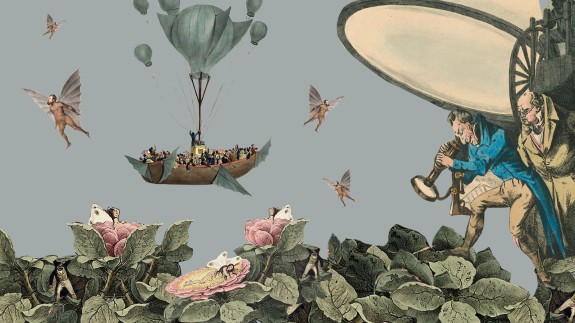
“The use of propaganda is ancient, but never before has there been the technology to so effectively disseminate it” (Posetti and Matthews, 2018). Fake news is not a new concept. It is the entire foundation upon which tabloid newspapers have grown, stories that shock and amaze people sell. False news has been propagated to various ends throughout history. Examples include Nazi anti-Semite propaganda, the catholic church has used fake news to scare and control populations (Lisbon Earthquake 1755, just one example) and across the United States in the 1800s as a justification for slavery. The problem in the modern-day is not
Why do we need fact-checking and watchdog
Citizens and Investigative Journalism: Why do we need a process to check the news? A world without any kind of “mediation”, like the one we live in, is pressing the growth and proliferation of self-referential and the desire to be the protagonist. Everywhere, in the digital world, we find data science wizards who, with great skill, flaunt their work as internet professionals and crossing tweets and news found online, randomly draw definitive conclusions with a strong narrative impact to fuel their business. The same is true for the new professions of the first twenty years of the year 2000: opinion
Malaria Must Die
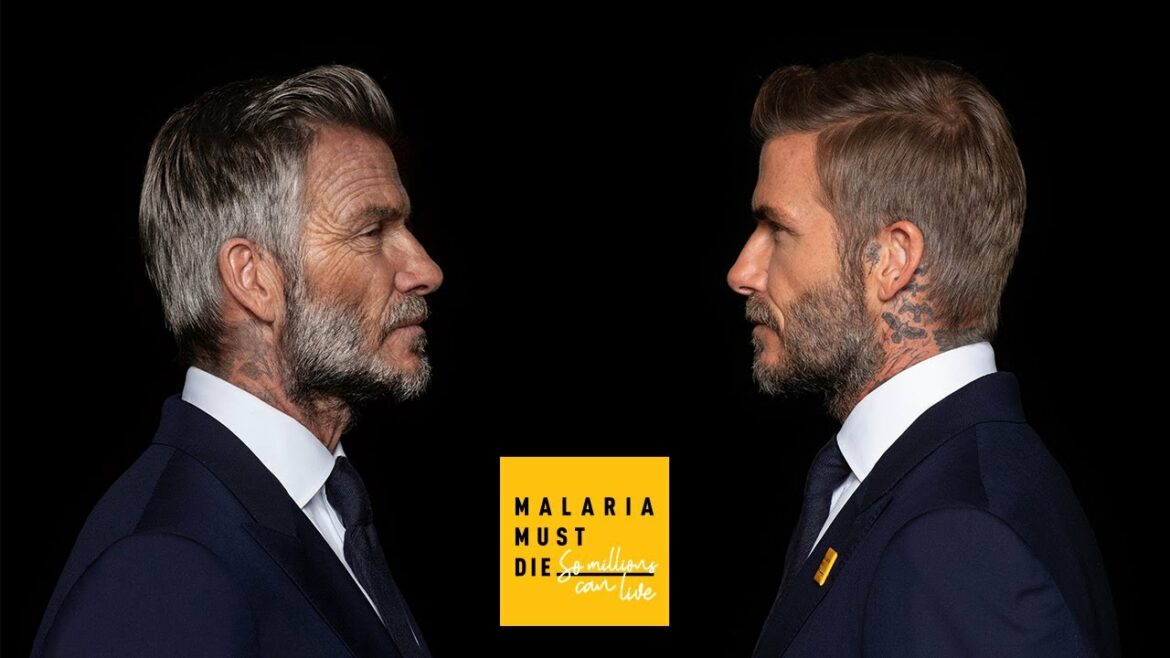
Have you ever come across a video in which Nicholas Cage with letdown long blonde hair was singing “I Will Survive” by Gloria Gaynor? Or, have you ever bumped into the Basic Instinct interrogatory scene that made cinema history? Except for the fact that in that case, you were probably looking in horror at Steve Buscemi traits over imposed to the face of the busty Catherine Thramell instead of Sharon Stone’s ones. Did it creep you out? Speaking in all honesty, it gave me nightmares for days. Now I have to admit that I’ll probably have a hard time watching

Cases of doxing
An infamous case of fake news spread on online media platforms generated a crazy conspiracy theory that was very popular on social media outlets across the globe in 2016’s fall in correspondence of American presidential elections and in its aftermath. This case made history with the name of “Pizzagate”. But what is Pizzagate and how did the whole story begin?. To better understand it we have to go back to October 30, 2016, when a Twitter account linked to the white supremacist political area and alt-right party’s blogosphere reported that the New York Police Department (NYPD) had uncovered a pedophilia network linked
Beware of the dog!
The rise of non-factual information in the media has prompted the creation of mechanisms meant to scrutinize and validate these pieces. This is a crucial advance in this era of disinformation since the implications of sharing false news are getting increasingly worrying. In the last couple of years, elections were manipulated resulting in undeserving governments being elected, people getting shamed and arrested, and large unethical corporations making huge profits all due to dishonest distribution of information. The process seeking to investigate (an issue) in order to verify the facts is termed fact-checking, according to the Oxford dictionary (1). Nevertheless, if