
“The camera is an instrument that teaches people how to see without a camera”, Dorothea Lange, Los Angeles Times (13 Aug. 1978) Photographs today make up a consistent part of our daily life. We see them on adverts, and on our social media, and we take pictures of random bits of our day only to send them immediately to our friends. We scroll down thousands and thousands of pictures just to forget them after a few seconds. Most of them have no meaning for us and disappear right away from our minds. But sometimes, within this endless overflow of images, some
Author: idareteam

Inside the water emergency in Jordan
As established by the United Nations General Assembly in 2010, water and sanitation are fundamental rights for every human being. This means that every human has the right to have between 50 to 100 litres of water per day, but it must be safe and affordable water and its source should not be further than 1,000 meters. In many countries, however, this fundamental right is not always easy to claim. Jordan is the second most water scarce country in the whole world, with annual renewable water resources of 100 m3 per person, which is critically under the 500 m3 threshold
Social conformity versus freedom
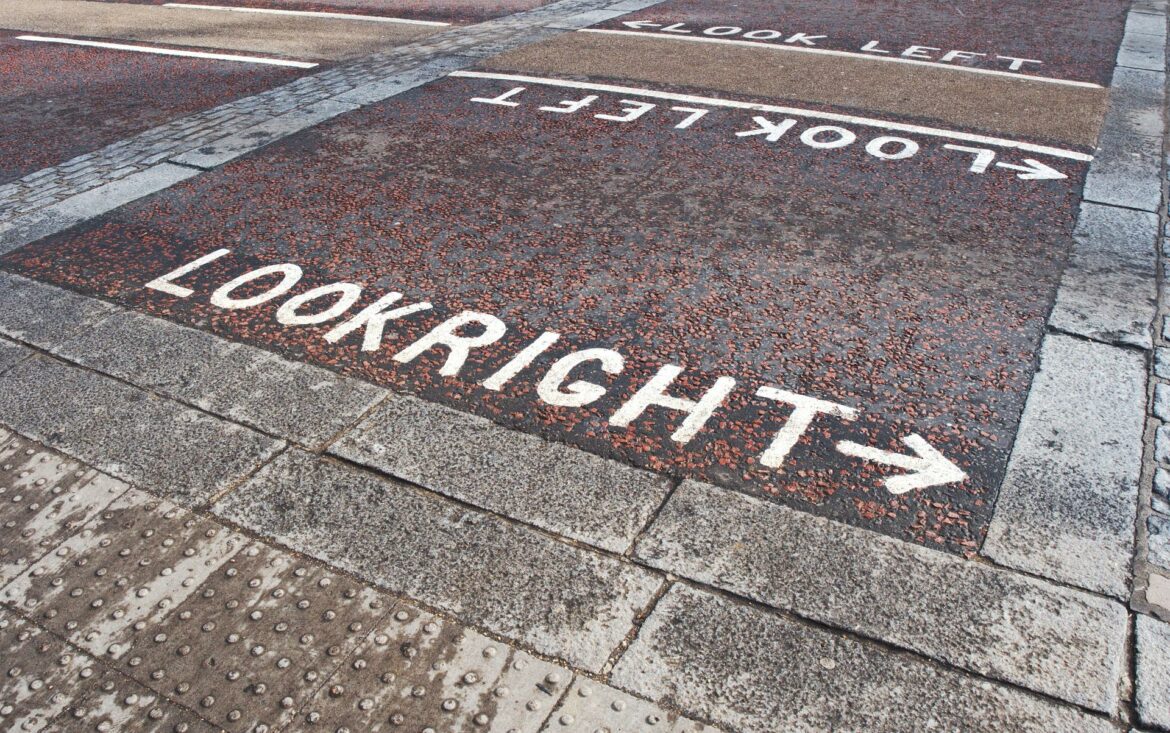
“Conformity is the jailer of freedom and the enemy of growth”, John F. Kennedy Recent research in applied psychology have established that making people aware of the behaviour of others is a useful technique for inducing positive behavioural change on a societal level. The influence of others on our attitudes, opinions, and behaviours is called social influence and it can take a variety of forms. Types of social influence: Conformity: Changing your behaviour to go along with the group even if you do not agree with the group; Compliance: Going along with a request or demand; Normative: Conformity to a

An introduction to Social Conformity
Our social interactions shape us in ways that we cannot even imagine. As humans, it comes naturally relying on other people when we must express our opinion, especially when it involves an ambiguous situation or a topic that we have little knowledge of. However, we get influenced even in unequivocal situations when other opinions should not have an impact on us, and it mainly happens when we are part of a group. Even being part of a small group can sometimes cause a change in our behaviour. This change of attitude and behaviour is called Social Conformity, described as: the

Water Wars
Water is not a given, and neither is peace. Since without water, what are we? “It runs through our veins, bodies, water faucets, and rivers. We are dependent on water; it is a vital element of our survival as much as the air we breathe.” (World Vision, 2021). Despite this, according to a UN report in 2019 2 billion people live in countries experiencing high water stress and 2.2 billion lack access to safely managed drinking services while over half of the global population lack safely managed sanitation services (UN, 2022). It’s no surprise that when a resource is scarce,

Youth in Jordan
“Every day is full of challenges and full of hope”: Young women in Jordan share their struggles. Jordanian society is young. Around 36% of the population is between twelve and thirty years old. Although amounting for more than one third of the population, the youth is confronted with massive challenges. Unemployment and gender inequality are among the obstacles needed to overcome for sustainable youth empowerment. In this article, I share the insights of three young women living in the country. The participants wish to stay anonymous. One issue is named immediately, no matter who it is I sit across during

Being young in 2022: what are the challenges and how not to lose hope
Although youth is a wonderful stage in our life, being young has always had its challenges. Youth means growing up, learning, experiencing a lot of things for the first time. It means building our character and finding out who we are. But it also means feeling misunderstood, unappreciated, and even forgotten. Every generation has had its unique challenges, and for the elderly generation, what we live now may look like a comfortable life. However, they rarely realise that being young today means facing the consequences of several economic crises, climate change, and the fragile state of politics. According to the
A picture is worth a thousand words but means nothing with incorrect context
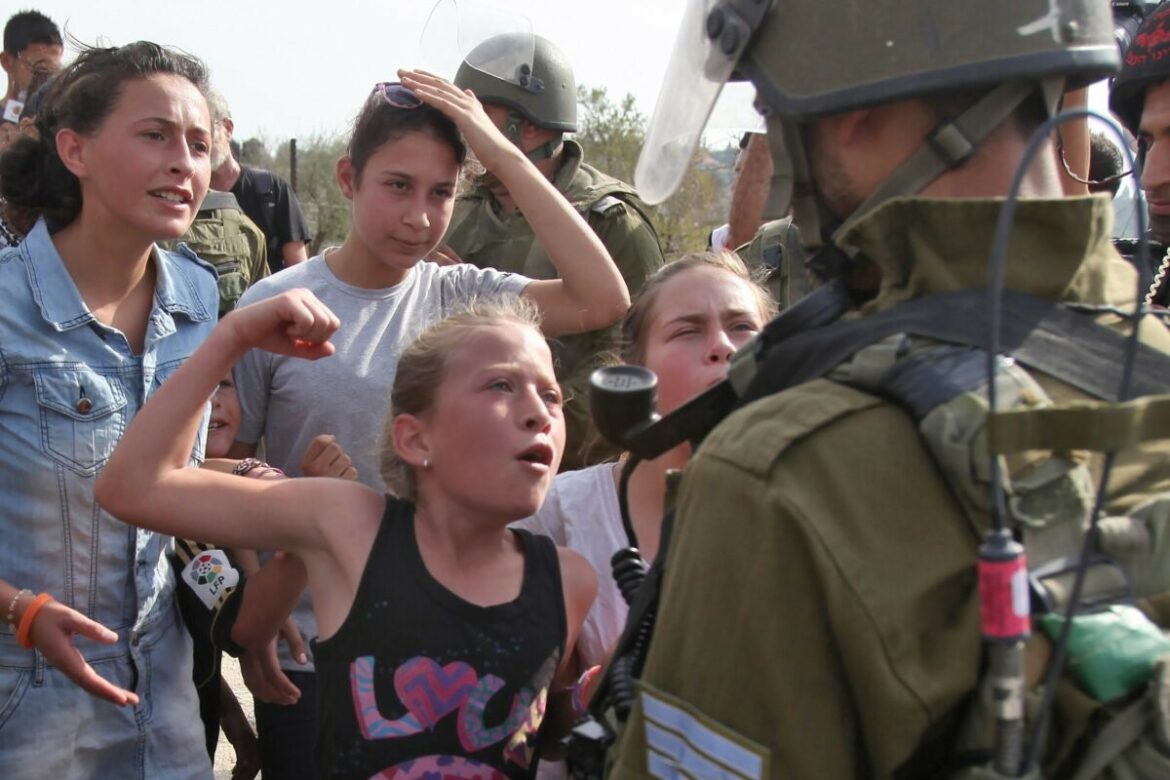
“A picture is worth a thousand words”, a clliché term, but one that holds weight. However, without words to explain who, what, why or when, in relation to an image, the context can be misconstrued, manipulated and misinterpreted. A cornerstone of our society is the way that information is spread and consumed. Images are used as a way to tell stories, as evidence and to evoke an emotion in the audience. As of 2020, Google reports that there are approximately 28 billion photos and videos uploaded to the service every week, and more than 4 trillion photos were stored in
Article 4: Security Considerations and Intent to Commit Apartheid
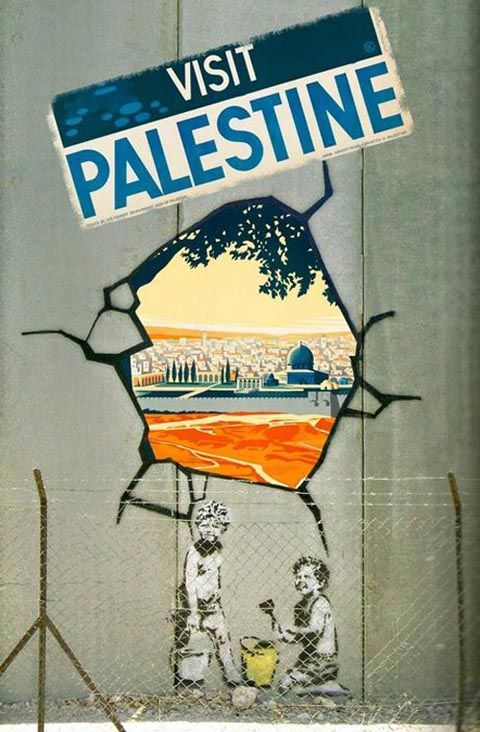
The Ongoing Realities of Aparthied in the 21st Century: A summary of Amnesty International’s report “Israel’s Apartheid against Palestinians: Cruel System of Domination and Crime against Humanity” Summary This, the final article in the article series The Ongoing Relalities of Apartheid in the 21st Century: A summary of Amnesty International’s report “Israel’s Apartheid against Palestinians: Cruel System of Domination and Crime against Humanity”, presents the Government of Israel’s justification for inhuman(e) acts under the guise of maintaining security and how this sits within international law. Maintaining Security The Government of Israel justifies many of the laws, policies and practices set

Article 3: Inhuman(e) Acts against Palestinians
The Ongoing Realities of Aparthied in the 21st Century: A summary of Amnesty International’s report “Israel’s Apartheid against Palestinians: Cruel System of Domination and Crime against Humanity” Summary This, the third instalment of the article series The Ongoing Relalities of Apartheid in the 21st Century: A summary of Amnesty International’s report “Israel’s Apartheid against Palestinians: Cruel System of Domination and Crime against Humanity”, summarises the inhuman(e) acts committed by Israeli authorities against Palestinians as found by Amnesty International during their investigation of ‘Israel’s’ relationship with The Occupied Territories of Palestine’s (OPT) Within the scope of their investigation, Amnesty International specifically
Article 2: The Situation of Palestinians Living in the Occupied Palestinian Territories
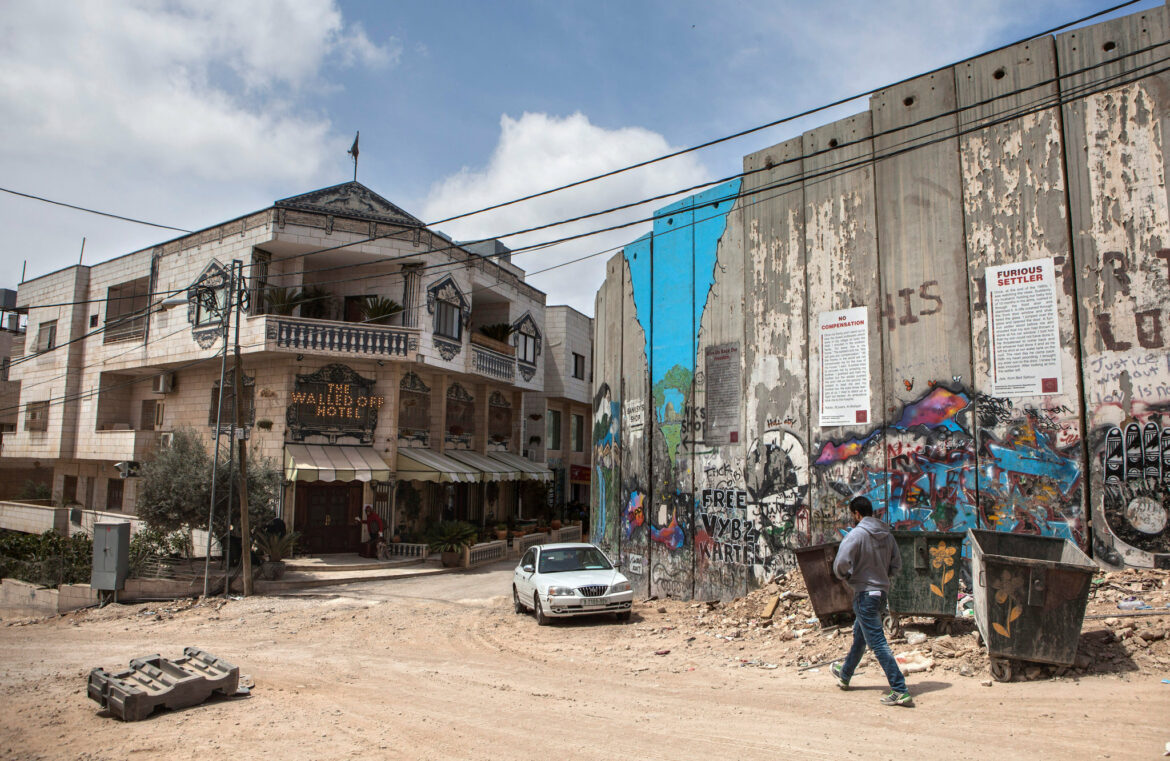
The Ongoing Realities of Aparthied in the 21st Century: A summary of Amnesty International’s report “Israel’s Apartheid against Palestinians: Cruel System of Domination and Crime against Humanity” Summary This, the second article in the series; The Ongoing Reallities of Apartheid in the 21st Century: A summary of Amnesty International’s report “Israel’s Apartheid against Palestinians: Cruel System of Domination and Crime against Humanity”., summarises Amnesty International’s research on the Israeli authorities’ oppression and domination of Palestine. It follows on from our introductory article which set out the international law pertaining to apartheid. This article presents the situation of Palestinians in the
Article 1: An introduction to Apartheid in International Law
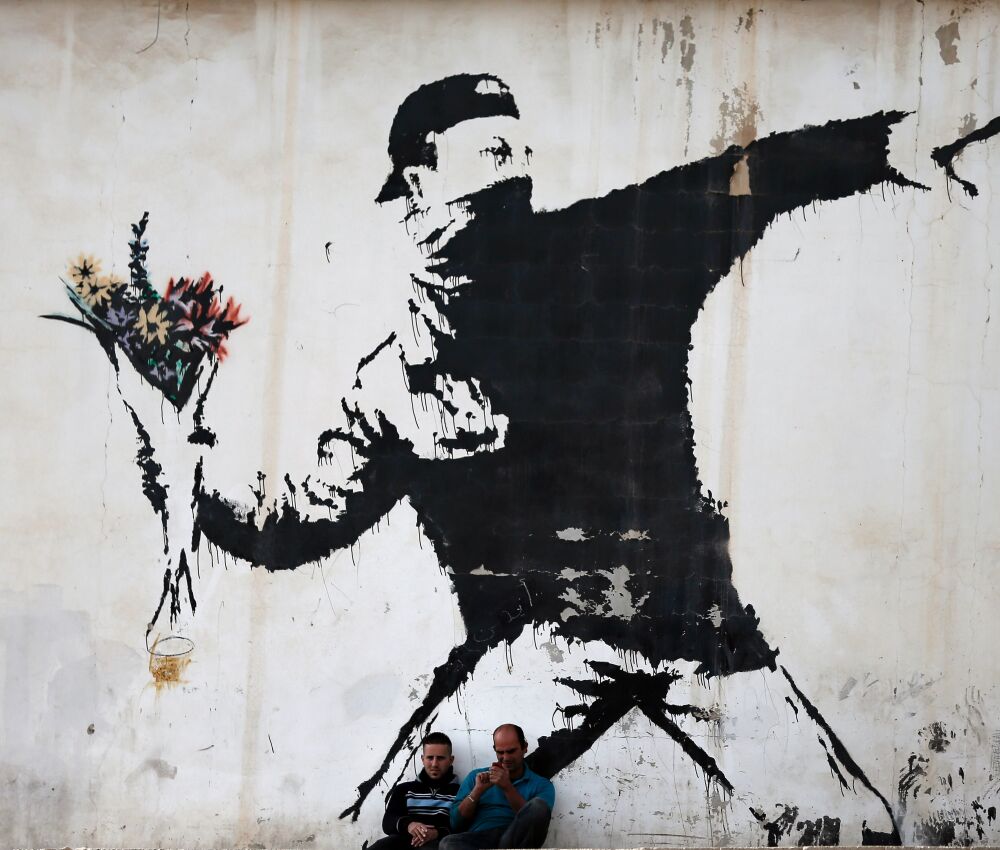
The Ongoing Realities of Apartheid in the 21st Century: A summary of Amnesty International’s report “Israel’s Apartheid against Palestinians: Cruel System of Domination and Crime against Humanity” This article marks the beginning of a series of articles presenting an impartial summary of Amnesty International’s report, “Israel’s Apartheid against Palestinians: Cruel System of Domination and Crime against Humanity”. This series aims to provide an accessible insight into Amnesty International’s report proclaiming the existence of a system of apartheid in the Occupied Palestinian Territories (OPT). The articles do not necessarily represent the views of the authors, instead the information is presented to invite

Conforming, Internalizing, Looking Away: Social Conformity and Its Effects
Social Conformity is a type of social influence that alters the belief or behavior of an individual in order to fit into a group. It is also known as majority influence or group pressure. Individuals conform to the majority to be perceived by others as “normal“. The change in behavior can either be due to real group pressure when the physical presence of others is involved or imagined group pressure when the social influence relates to general norms and expectations. Social Conformity is a phenomenon distinct from obedience. Obedience describes the performing of an action due to an authority figure

The Experiments of Social Conformity
In the early 1960s, Yale University psychologist Stanley Milgram began what would become one of social psychology’s most famed and chilling experiments. Milgram began his work during the widely publicized trial of World War Two Nazi war criminal Adolf Eichmann. His defence, along with other Nazis for sending millions of people to their deaths was that he was simply ‘following the orders of his superiors. He was executed for his crimes against humanity, but the question got Milgram thinking, what might the average person be capable of when under orders? Under what conditions does someone conform to orders, and what

Keeping up with media… media bias
Keeping up with the media is crucial if we want to be informed about the world around us. The web has become our primary source of information and it contains an overwhelming amount of news, so we must be really careful with the sources we choose to consult because the way news is reported can affect the way we think. Sometimes our sources maybe not be truthful about the actual facts, or they may push us towards certain points of view. When this happens, we talk about Media Bias. Media bias refers to the media exhibiting unjustifiable favouritism as they

Shaping the publics’ opinions
“All of us who professionally use the mass media are the shapers of society. We can vulgarise that society, we can brutalise it, or we can help lift it onto a higher level” William Bernbach In all likelihood, most of us have heard or read about media bias, but what can we consider a bias? What media bias is more specifically? How does media bias affect our thinking and shape our opinions? What is a bias? In general, that is the tendency to lean towards or against someone or something. The direction in which you lean can be influenced by factors such

Fast fashion
“Fast fashion is a design, manufacturing, and marketing method focused on rapidly producing high volumes of clothing” It has been on the rise in recent decades yet despite its name, fast fashion’s impact goes far beyond the fashion world. The industry frequently violates garment workers’ rights and is severely detrimental to the environment. When did fashion become fast? Fashion has always been innovative, evolutionary and with sufficient power to capture the vibe of a generation. In spite of these consistencies, a lot has changed in the fashion world in recent decades, with fast fashion rapidly increasing in the past 20 years.

Intersectionality: language issue
“Language not only creates the contours of identity, it also may set up the conditions for other kinds of inclusion and exclusion, belonging and not belonging, success and failure… Language gives meaning to social structures, identity-creating and oppressive ones.” Benjamin Baez Humans have multiple identities that intersect with each other. The concept of intersectionality, as we pointed out in our previous articles, was for the first time described by Dr. Kimberlè Crenshaw, according to whom, certain individuals face multiple and intersecting forms of structural discrimination. In this article, we will focus on the linguistic aspects of intersectionality, on language as one

Applying intersectionality
It really starts with the top leadership, making sure that folks know all the way down that intersectionality is a top priority. Cornell Verdeja-Woodson In this article, we would like to deepen and bring to light the best and most useful actions to put intersectionality into our daily practices and policies. That is to promote opportunity for individuals and communities who face multiple and intersecting forms of discrimination. It is not easy to change our perspective, it requires analysis and a shift to a wider point of view, considering issues that we may have not considered before. Of course, the list of practices
Intersectionality and representation in the modern narrative
Until society represents everyone, the question will always be “Where do I belong? Do I belong?” Aisha Thomas, Why Representation Really Matters, TEDxBristol, 2019. The world of arts, including literature, films, and television, is not only made to entertain us. It is often seen as a mirror of reality, but this mirror is not always been truthful about the real world. The reality that we sometimes read about or see in TV and films is not like the one that we live in every day, but it is made up predominantly of privileged people according to their class, origins, gender,

Intersectionality, so what?
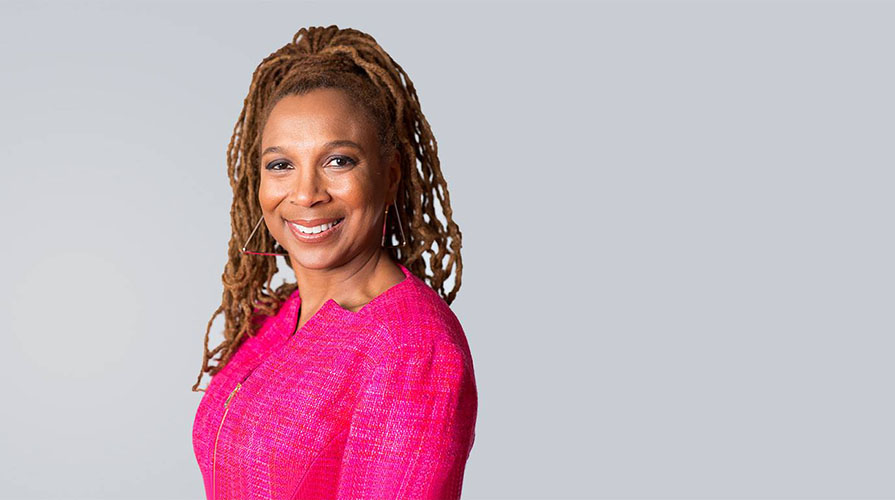
Intersectionality describes our overlapping identities and the ways that those overlapping identities connect systems of oppression. The term was coined by legal scholar Kimberlé Crenshaw in 1989 to describe how systems of oppression overlap to create distinct experiences for people with multiple identity categories. When it comes to social science, there are countless terms that aim to aid us understand the world around us, so what’s the significance of intersectionality? Intersectionality is important because we live in a world where individuals and communities face differing types of oppression, which can hinder our ability to access opportunities and resources. Intersectionality helps us
Crenshaw: the origin of intersectionality
Some say that if your feminism isn’t intersectional, it isn’t feminism at all. Others say that intersectionality as a concept has muddied the waters of an already complicated feminist discourse. Intersectionality is a term coined by civil rights advocate and Law Professor Kimberly Crenshaw. She introduced the term to feminist theory in her paper for the University of Chicago Legal Forum in 1989 called Demarginalizing the Intersection of Race and Sex: A Black Feminist Critique of Antidiscrimination Doctrine, Feminist Theory and Antiracist Politics. In the paper, she discusses what she calls the ‘single access framework’, that is used to discuss
Towards an intersectional approach
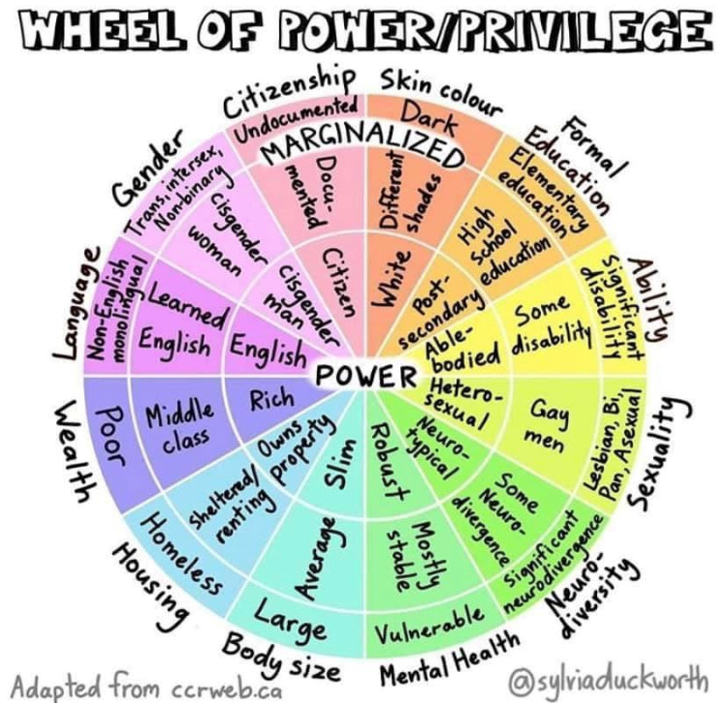
Discrimination is not an isolated phenomenon, but several types of discrimination can happen at the same time, intertwining with each other and creating unique realities for different people. The introduction of Intersectionality was ground-breaking in its approach to understanding social problems, as it finally gave us the means to look at discrimination in all its facets. Adopting an intersectional approach is important in every aspect of life, from our work life to our interactions with people. But how can we manage to achieve a more intersectional approach? the first step is to understand where we stand, where we are on the

Approaching and applying intersectionality
Intersectionality is an analytical tool that recognises that systemic inequalities are configured from the superposition of different social factors such as gender, ethnicity and social class. Consequently, both the disadvantages and the privileges that a person has at a given moment particular time and place cannot be understood by examining in isolation the various elements of their identity. On the contrary, attention must be paid to the set of power relations that affect it, including those forces at the macro-level such as colonial past and poverty; and then forces at the micro-level, which include a person’s health status and the

The Roots of Intersectionality
Intersectionality has been a common theme in feminist theory, writing, and activism for the last several years. It has even become something of a buzzword. And yet, there remains a great deal of misunderstanding about what intersectionality really means and, consequently, how it is supposed to manifest within the feminist movement. This confusion has led to a backlash claiming that intersectionality diverts women’s energy from the key goals of the feminist movement: dismantling patriarchy, ending male dominance and violence against women, when in fact it is only through a truly intersectional approach that these goals become possible for all women,

Trump and media bias
Over the past half decade, the legitimacy of the mainstream media has become a central theme of our political discourse. Some of this as of the result of Donald Trump’s repeated declarations that much of US media represents ‘fake news’. A term that is quickly gone from being the reserve of fringe conspiracy theorists to part of our everyday lexicon. This disdain for the mainstream media among some portions of the population has since spread to other countries. Supporters of Brexit in the UK, for example, have often levelled similar accusations of bias at the British press. Such critics have
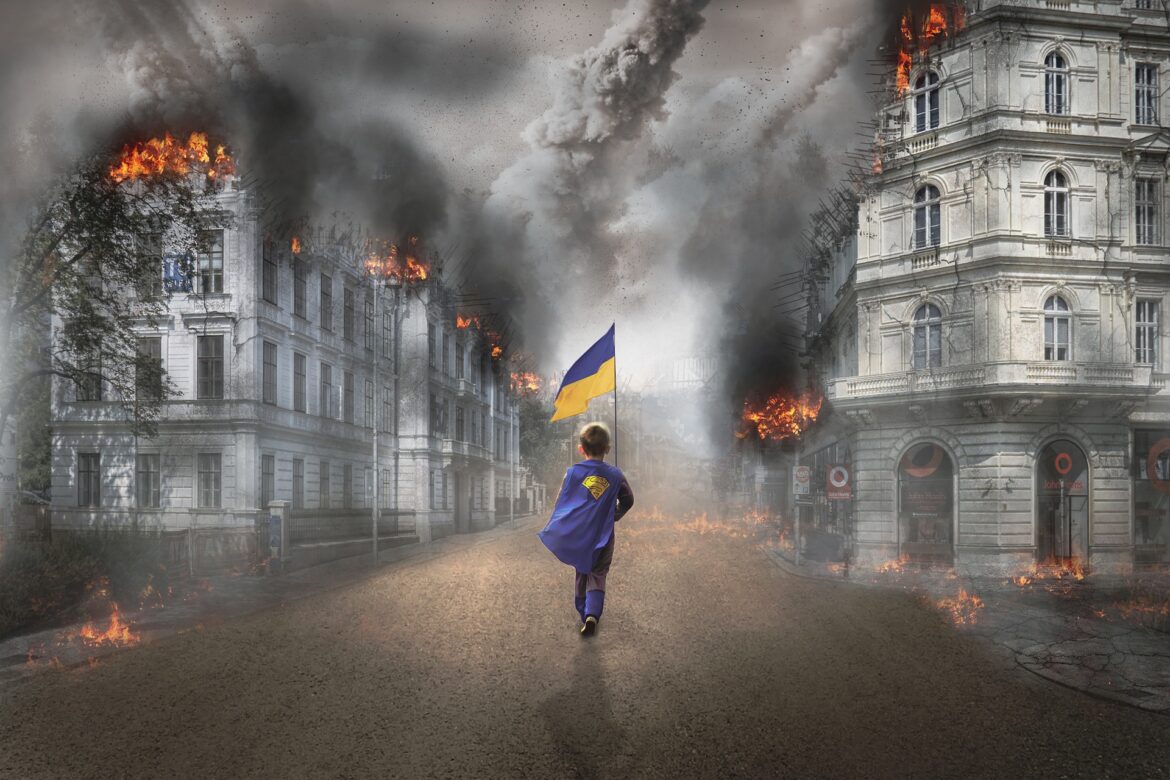
What is (Racist) Media Bias and how does it manifest?
Media Bias – What is it? Media bias is the perceived bias exercised by journalists, news outlets and mass media that impacts the professional standard of journalism. Biases are the tendency to lean towards a specific position, political ideology, or opinion. As a medium that functions to inform citizens, the media is supposed to be objective and informative. In reality, however, media consumers are subjected to media bias in broadcasting, publishing and on the internet. Media bias affects what gets published, which perspective a journalist takes when writing about an event or a story, and the language a journalist uses

Building positive peace
As war keeps on changing, even the concept of peace is evolving. Peace today has not one, but two distinct definitions: Negative Peace Positive Peace Negative Peace is the absence of violence and it fails to capture a society’s stability and harmony. Positive Peace, on the other hand, is defined as “the attitudes, institutions and structures that create and sustain peaceful societies”, and it is achieved through sustainable investments in economic development and institutions as well as societal attitudes that foster peace. Positive Peace a ‘transformational concept’ as it does not focus on the negative conditions to avoid peace, but instead it
Upskilling and Reskilling for a better future
The COVID-19 pandemic has taken a serious toll on the entire planet. Our daily habits changed, our interactions changed, our work lives changed. All the minor changes in everyone’s life added up to bring tremendous changes to the life of our nations, especially on the economy front. The pandemic brought to the surface the flaws and weaknesses of our economies, disrupting the already frail balance that governed people’s lives. Life worsened particularly for people whose life was already in disadvantaged situations. The pandemic has caused a rise in unemployment that was already increasing because of the rise of automation and new

Johan Galtung’s work
“Peace appeals to the hearts; studies to the brain. Both are needed, indeed indispensable. But equally indispensable is a valid link between brain and heart. And that, in a nutshell, is what peace studies and peace practice are all about”. That is the final part of the acceptance speech of Johan Galtung, after he was awarded the Right Livelihood Award, known as the alternative Nobel Prize for peace, in 1987, “For his systematic and multidisciplinary study of the conditions which can lead to peace” In our previous articles about positive peace, we introduced the Norwegian pioneer of peace research Johan